Ginkgo Biloba has a long history of use for cognitive benefits, but its memory enhancement claims aren’t entirely clear. While some studies suggest it can improve blood flow to the brain and possibly reduce cognitive decline, results vary. Many myths exist, such as instant results or complete safety. It’s essential to understand these facts and discuss them with your healthcare provider. Curious about how Ginkgo compares to other memory boosters? There’s more to discover.
What Is Ginkgo Biloba and Its Historical Use?

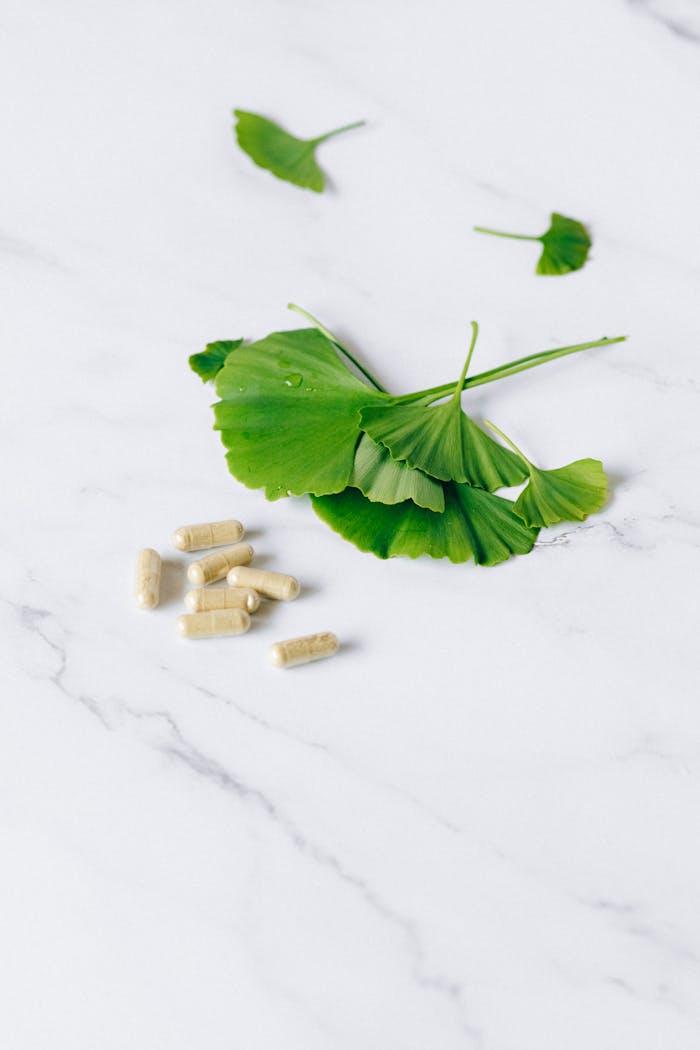
Ginkgo biloba, often referred to as the “living fossil,” is a unique tree species renowned for its fan-shaped leaves and rich history in traditional medicine. Its ginkgo history dates back thousands of years, making it one of the oldest living tree species.
You might be surprised to learn that ancient remedies used ginkgo leaves for various ailments, from improving blood flow to treating respiratory issues. Today, it’s still a popular choice in herbal medicine, often marketed for its potential cognitive benefits.
Traditional uses of ginkgo extract have stood the test of time, showcasing its versatility. As you explore ginkgo biloba, you’ll discover a fascinating blend of ancient knowledge and modern interest in this remarkable tree.
How Does Ginkgo Biloba Claim to Improve Memory?

While many people seek natural ways to boost memory, Ginkgo biloba is often touted for its potential benefits. This ancient herb claims to improve cognitive function by increasing blood flow to the brain, which may enhance your mental clarity and memory. Many consider it a part of effective memory enhancement strategies.
Ginkgo’s antioxidants could also help protect your brain from oxidative stress, a factor in age-related memory decline. As one of the popular cognitive function boosters, it’s believed that Ginkgo may support overall mental performance.
What Does the Science Say About Ginkgo and Cognitive Function?

How effective is Ginkgo biloba in enhancing cognitive function? Research shows mixed results, but some studies suggest it may offer benefits, particularly for older adults. Its neuroprotective properties might help in maintaining cognitive abilities.
Here are key points to evaluate:
- Ginkgo may improve blood flow to the brain, promoting better oxygenation.
- Some studies highlight its potential in reducing cognitive decline in dementia patients.
- It’s believed to enhance memory, especially in individuals with age-related issues.
- The effects can vary; not everyone experiences cognitive enhancement.
While Ginkgo biloba shows promise, more research is needed to confirm its efficacy.
Always consult a healthcare professional before starting any supplement.
Debunking the Myths: Common Misconceptions About Ginkgo Biloba
Despite its popularity, many misconceptions surround Ginkgo biloba and its effects on memory. One common ginkgo myth is that it can prevent dementia or Alzheimer’s disease. In reality, while some studies suggest it may help with cognitive function, results are mixed, and it doesn’t guarantee prevention.
Another memory misconception is that Ginkgo biloba works instantly. You won’t see immediate results; it often takes weeks or even months to notice any benefits.
People also believe it’s completely safe, but like any supplement, it can have side effects and interact with medications. Understanding these ginkgo myths and memory misconceptions is essential for making informed decisions about your health and cognitive support.
Always consult a healthcare professional before starting any new supplement.
Who Can Benefit From Ginkgo Biloba and Memory Enhancement?
If you’re an older adult looking to support your cognitive health, Ginkgo Biloba might be worth considering.
Students seeking to boost their study performance could also find it beneficial.
Exploring how this natural supplement can enhance memory may lead to surprising results for both groups.
Older Adults’ Cognitive Health
As you age, maintaining cognitive health becomes increasingly important, and Ginkgo Biloba may offer some benefits for older adults seeking to enhance their memory.
Research suggests this herbal supplement might help combat cognitive decline and improve memory retention. Here are a few ways Ginkgo Biloba can be beneficial:
- Improves blood flow to the brain, supporting overall cognitive function.
- Enhances memory retention, potentially aiding in day-to-day tasks.
- Offers antioxidant properties, which may protect brain cells from damage.
- May reduce symptoms of anxiety, contributing to better focus and clarity.
While Ginkgo Biloba isn’t a cure-all, incorporating it into your routine could be a step toward maintaining your cognitive health as you age.
Always consult with your healthcare provider before starting any new supplement.
Students’ Study Performance Boost
For students juggling multiple responsibilities and aiming to excel academically, Ginkgo Biloba might provide the cognitive boost they need. This ancient herb is believed to enhance memory and focus, making it a potential ally for your study techniques.
If you’re cramming for exams or working on complex projects, Ginkgo Biloba can help sharpen your concentration and improve information retention. By incorporating it into your routine, you might find it easier to implement effective cognitive strategies, allowing you to absorb material more efficiently.
However, it’s essential to remember that it works best alongside healthy habits like proper sleep, nutrition, and regular exercise. When combined, these elements can create a powerful foundation for academic success.
Are There Risks or Side Effects of Using Ginkgo Biloba?
What should you know about the risks and side effects of using Ginkgo Biloba? While many people believe in its benefits, it’s essential to conduct a thorough risks assessment.
Here are some potential side effects you should be aware of:
- Headaches or dizziness
- Gastrointestinal issues, like nausea or diarrhea
- Allergic skin reactions
- Increased bleeding risk, especially if you’re on blood thinners
These side effects can vary from person to person, so it’s wise to consult a healthcare professional before starting Ginkgo Biloba.
Understanding these risks can help you make an informed decision about whether this supplement is right for you. Always prioritize your health and well-being as you explore new options.
How to Choose the Right Ginkgo Biloba Supplement
Choosing the right Ginkgo Biloba supplement can feel overwhelming, especially with so many options available.
To start, understand the ginkgo variety differences. Look for standardized extracts, typically containing 24% flavone glycosides and 6% terpene lactones, which are known for their effectiveness.
Next, consider supplement sourcing tips. Opt for reputable brands that provide third-party testing, guaranteeing quality and purity. Check for non-GMO ingredients and avoid fillers or artificial additives.
Reading customer reviews can also give you insights into product efficacy and side effects.
Finally, consult with a healthcare professional before starting any supplement to verify it’s appropriate for your needs.
With these guidelines, you’ll be better equipped to choose a Ginkgo Biloba supplement that works for you.
What Dosage of Ginkgo Biloba Is Recommended for Memory Support?
When considering Ginkgo Biloba for memory support, it’s essential to know the recommended daily dosage tailored to your needs.
Age can play a role in determining the right amount, so it’s important to factor that in.
Additionally, be aware of potential side effects that might arise with its use.
Recommended Daily Dosage
For ideal memory support, most experts recommend a daily dosage of 120 to 240 milligrams of Ginkgo Biloba, divided into two or three doses throughout the day.
This dosage can vary based on the individual and the specific dosage forms you choose.
Here are some tips to evaluate for your recommended intake:
- Standardized extracts: Look for products containing 24% flavone glycosides and 6% terpene lactones.
- Consistency: Take your doses at the same time each day for best results.
- Consult a healthcare provider: Always check with a professional before starting any supplement.
- Monitor effects: Keep track of how you feel and adjust your dosage as needed.
Age Considerations
As you age, your body’s response to supplements like Ginkgo Biloba can change, influencing the dosage you might need for ideal memory support.
Age-related changes often affect how your body metabolizes nutrients, which can impact the effectiveness of Ginkgo Biloba.
If you’re concerned about cognitive decline, starting with a standard dose of 120 to 240 mg daily might be beneficial, but always consult your healthcare provider first.
They can help tailor the dosage to your specific needs, considering factors like overall health and any medications you may take.
Potential Side Effects
Understanding the potential side effects of Ginkgo Biloba is just as important as knowing the right dosage for memory support.
While many people use Ginkgo for cognitive benefits, it’s essential to be aware of possible risks and ginkgo interactions with other medications.
Here are some common side effects to watch for:
- Headaches
- Dizziness
- Stomach upset
- Allergic skin reactions
When considering dosage guidelines, most studies suggest 120-240 mg daily, but it’s vital to consult a healthcare professional first.
They can help determine the right dosage for you while monitoring any potential side effects.
Always prioritize safety and be mindful of how Ginkgo might interact with other treatments you’re using.
Can Ginkgo Biloba Help With Specific Conditions Like ADHD?
Could Ginkgo Biloba be a potential ally for those grappling with ADHD? Some people believe it might help alleviate ADHD symptoms by enhancing cognitive functions like attention and memory.
While research on Ginkgo Biloba’s effectiveness for ADHD is still evolving, some studies suggest it could offer mild cognitive enhancement, potentially improving focus and reducing impulsivity in certain individuals.
However, it’s essential to approach this supplement with caution. Not everyone experiences the same effects, and results can vary.
Consulting a healthcare professional before trying Ginkgo Biloba is important, especially if you’re already on ADHD medications.
While it shows promise, more research is needed to establish its true benefits for ADHD management.
How Long Does It Take to See Results From Ginkgo Biloba?
How quickly can you expect to see results from Ginkgo Biloba? The memory timeline can vary, but most people start noticing effects within a few weeks.
An effectiveness review shows that factors like dosage, individual health, and consistency play significant roles. Here’s what you can generally expect:
Factors such as dosage, individual health, and consistency significantly influence Ginkgo Biloba’s effectiveness.
- Short-term effects: Some report improved focus after just a week.
- Medium-term effects: Noticeable memory improvements might take 4-6 weeks.
- Long-term effects: Full benefits typically appear after 3-6 months of regular use.
- Individual variability: Your unique body chemistry can influence how quickly you see results.
Always consult with a healthcare professional before starting any supplement to verify it’s right for you.
Alternatives to Ginkgo Biloba for Memory Improvement
While Ginkgo Biloba can offer memory benefits for some, you might be exploring other options to enhance cognitive function.
Natural nootropics like Rhodiola Rosea and Bacopa Monnieri have gained popularity for their potential to boost memory and focus. These herbal supplements can support cognitive health by reducing stress and improving mental clarity.
Additionally, Lion’s Mane Mushroom is known for its neuroprotective properties, promoting the growth of brain cells. Omega-3 fatty acids, often found in fish oil, are essential for brain health and can improve memory.
Don’t forget about lifestyle changes; regular exercise, a balanced diet, and sufficient sleep can greatly impact your cognitive performance.
Consider these alternatives to find what works best for you.
Conclusion
In the quest for better memory, Ginkgo biloba can be like a double-edged sword; it offers potential benefits but also comes with misconceptions. While some studies show promise, the results can vary. It’s essential to weigh the facts against the myths and consult with a healthcare professional. Whether you choose Ginkgo or explore other options, remember that nurturing your brain health is a journey, not a sprint. Stay informed, and make choices that resonate with your needs.