If you’re looking for relief from PMS and menopause symptoms, certain supplements can make a big difference. Vitamins like B6 and D support emotional balance, while magnesium helps with mood and sleep. Herbal remedies like black cohosh and evening primrose oil can ease discomfort too. Omega-3 fatty acids, found in fish and flaxseeds, aid hormonal health. To choose the best options for your needs, consider your symptoms and lifestyle—there’s much more to explore about your wellness journey.
Understanding PMS and Menopause: Key Differences
Understanding PMS and menopause can feel overwhelming, but knowing their key differences can empower you. PMS triggers often include hormonal fluctuations, which can lead to mood swings and physical discomfort.
In contrast, menopause marks the end of your menstrual cycle, typically occurring around age 51, and is often surrounded by menopause myths.
Lifestyle adjustments, like incorporating nutritional strategies and stress management techniques, can ease symptoms for both phases. Cycle tracking can help you identify patterns, while emotional support is vital during these changes.
Don’t overlook the importance of health screenings to monitor changes in your body. Recognizing these differences will help you navigate your health more confidently, allowing you to make informed choices tailored to your needs.
Common Symptoms of PMS and Menopause

When you’re dealing with PMS or menopause, you might notice some common symptoms that can really affect your daily life.
Emotional changes, physical discomfort, and sleep disruptions are just a few of the challenges you might face.
Understanding these symptoms is the first step toward finding relief and improving your well-being.
Emotional Changes and Mood
Emotional fluctuations can feel like a rollercoaster during PMS and menopause, leaving you grappling with mood swings, irritability, and anxiety.
It’s essential to acknowledge these changes and embrace coping strategies that enhance your emotional resilience. By practicing mindfulness techniques and prioritizing self-care practices, you can navigate this challenging time with more ease.
- Recognize triggers that spark mood swings
- Incorporate stress management techniques into your daily routine
- Foster mental wellness through healthy social connections
- Engage in activities that promote relaxation and joy
Physical Discomfort and Pain
As you navigate the changes brought on by PMS and menopause, physical discomfort and pain can become unwelcome companions. You might experience chronic pain, making daily activities feel challenging.
Implementing lifestyle changes, like dietary adjustments and consistent exercise, can help alleviate these symptoms. Exercise benefits not only improve your physical health but also boost your mood, reducing stress.
Consider exploring holistic therapies and alternative medicine, which can offer relief and support. Engaging in stress management techniques, such as mindfulness or yoga, can further ease discomfort.
Don’t underestimate the power of support networks; connecting with others facing similar challenges can provide comfort and practical tips. Embracing these strategies can empower you to manage pain more effectively.
Sleep Disruptions and Fatigue
Sleep disruptions and fatigue often creep in during PMS and menopause, leaving you feeling drained and irritable. You might find it hard to fall asleep or stay asleep, which can make your days even tougher.
Practicing good sleep hygiene is essential for your well-being, as it can promote energy restoration and help you regain some control over your life.
- Tossing and turning through the night
- Waking up feeling as tired as when you went to bed
- Struggling to focus during the day
- Feeling overwhelmed by daily tasks
Addressing these symptoms can transform your experience.
Consider supplements that support sleep quality and energy levels, so you can reclaim your vitality and enjoy life to the fullest.
Why Natural Supplements Matter for Women’s Health
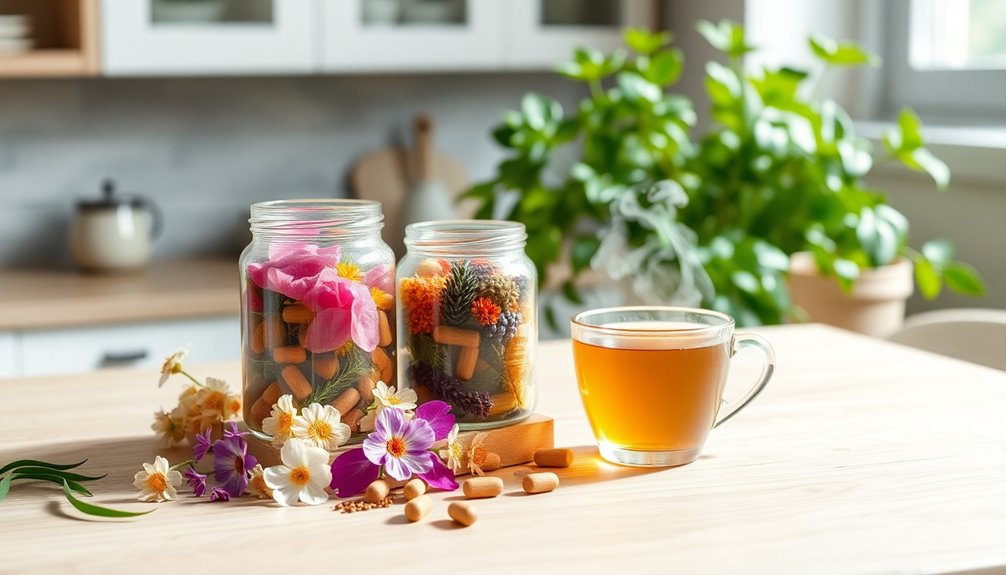
Natural supplements play an essential role in women’s health, especially during challenging phases like PMS and menopause. These natural remedies can help you achieve hormonal balance, easing symptoms that often disrupt your daily life.
When you turn to nature for support, you’re choosing options that can work in harmony with your body, rather than against it. Many women find that incorporating herbal extracts, vitamins, and minerals helps alleviate discomfort and promotes overall well-being.
Plus, natural supplements often have fewer side effects compared to synthetic alternatives. By prioritizing these remedies, you can empower yourself to manage hormonal fluctuations more effectively and improve your quality of life during these significant changes.
Embrace the benefits of natural support for your health journey.
Top Vitamins for Alleviating PMS Symptoms
When you’re dealing with PMS, certain vitamins and minerals can make a real difference.
Understanding the essential vitamins and key minerals that support your body can help alleviate those uncomfortable symptoms.
Let’s explore how these nutrients work for you during this challenging time.
Essential Vitamins Overview
Many women experience discomfort during PMS, but certain vitamins can help ease those symptoms. Focusing on proper vitamin absorption from dietary sources can greatly improve your well-being.
Here are some essential vitamins to take into account:
- Vitamin B6: Helps reduce mood swings and irritability.
- Vitamin D: Supports emotional balance and overall health.
- Vitamin E: Alleviates breast tenderness and bloating.
- Folic Acid: Boosts energy levels and reduces fatigue.
Incorporating these vitamins into your diet can make a significant difference. You might find relief through foods like leafy greens, nuts, and fortified cereals.
Key Minerals Benefits
While vitamins play an essential role in managing PMS symptoms, key minerals also contribute greatly to your overall comfort.
Magnesium is a standout, helping to reduce bloating, mood swings, and cramps. You can find it in key mineral sources like spinach, nuts, and whole grains.
Calcium, another crucial mineral, aids in minimizing fatigue and irritability; dairy products and leafy greens are excellent options.
Don’t overlook potassium, which helps balance fluids and reduce swelling—bananas and avocados are great choices.
To maximize mineral absorption, consider pairing them with vitamin D or C-rich foods.
Herbal Remedies to Ease Menopause Discomfort
As you navigate the challenges of menopause, herbal remedies can offer a natural way to alleviate discomfort. By embracing plant-based solutions, you can enhance your well-being through holistic approaches.
Embrace herbal remedies to naturally alleviate menopause discomfort and enhance your well-being through holistic solutions.
Consider incorporating these elements into your routine:
- Herbal infusions like red clover and chamomile
- Natural extracts such as black cohosh and evening primrose oil
- Essential oils for relaxation and mood support
- Mind-body practices that promote balance
Making lifestyle adjustments and dietary changes can further amplify these benefits.
The Role of Omega-3 Fatty Acids in Hormonal Balance
Omega-3 fatty acids play an essential role in maintaining hormonal balance, which can be especially beneficial during PMS and menopause.
You can find these healthy fats in sources like fish, flaxseeds, and walnuts. Incorporating them into your diet may help alleviate some hormonal symptoms you experience.
Omega-3 Benefits Overview
When it comes to managing PMS and menopause symptoms, incorporating omega-3 fatty acids into your diet can be a game changer. These essential fats help balance hormones and can ease discomfort, making your journey smoother.
Consider the emotional benefits of omega-3s:
- Reduced mood swings that can leave you feeling grounded
- Alleviated cramps that disrupt your daily life
- Increased energy levels to help you tackle your day
- Enhanced overall well-being that boosts your confidence
To reap these benefits, pay attention to omega-3 dosage and explore various omega-3 sources like fish, flaxseed, and walnuts.
Sources of Omega-3s
Incorporating omega-3s into your diet not only supports hormonal balance but also comes from a variety of sources that can easily fit into your meals.
Fish-based sources like salmon, mackerel, and sardines are rich in EPA and DHA, which are essential for reducing inflammation and promoting hormonal health.
If you prefer plant-based sources, consider flaxseeds, chia seeds, and walnuts, which provide ALA, a precursor to the beneficial omega-3s. You can sprinkle flaxseeds on your morning oatmeal or add walnuts to your salads.
By including these diverse sources in your meals, you’ll enhance your overall well-being and help manage PMS and menopause symptoms effectively.
Probiotics: Supporting Gut Health During PMS and Menopause
How can probiotics enhance your experience during PMS and menopause? These powerful allies support your gut microbiome, which plays a crucial role in digestive health and hormonal balance.
By incorporating specific probiotic strains and fermented foods into your diet, you can boost your immune support and strengthen the gut-brain connection.
Incorporating targeted probiotic strains and fermented foods can enhance your immune support and fortify the gut-brain connection.
- Feel energized and less bloated.
- Experience improved mood stability.
- Manage cravings and digestive discomfort.
- Enhance overall well-being.
Magnesium’s Benefits for Mood and Sleep
As you navigate the challenges of PMS and menopause, magnesium can be a game-changer for your mood and sleep. This essential mineral helps combat magnesium deficiency, which can lead to increased anxiety and disrupted sleep patterns.
To reap its benefits, focus on magnesium sources like leafy greens, nuts, and whole grains. For effective results, a magnesium dosage of 200-400 mg daily is often recommended, but it’s wise to consult a healthcare provider.
Improved magnesium absorption enhances relaxation, making it easier to cope with PMS symptoms and menopausal changes. By incorporating magnesium into your routine, you can foster a more balanced mood and sleep better, ultimately improving your overall well-being during these transformative phases.
Exploring the Power of Black Cohosh for Menopause Relief
If you’re looking for natural ways to ease menopause symptoms, black cohosh might be just what you need. This herbal remedy is renowned for its potential benefits, including reducing hot flashes and mood swings. Research supports its effectiveness, making it a popular choice among women.
When considering black cohosh, keep these points in mind:
- Potential relief from hot flashes
- Improvement in mood stability
- Few reported side effects
- Alternative options like red clover
For the best results, consult a healthcare provider about the appropriate black cohosh dosage.
While many find relief, it’s essential to explore black cohosh alternatives if you experience side effects. Stay informed and take control of your menopause journey!
How to Choose the Right Supplements for Your Needs?
Wondering which supplements are right for you? Start by evaluating your specific needs, considering factors like PMS or menopause symptoms.
Look into Supplement Sources, such as herbal remedies or vitamins, that align with your health goals. Don’t forget to factor in your Lifestyle Factors—stress, exercise, and sleep can influence your choices.
Explore various supplement sources, like herbal remedies and vitamins, while considering how lifestyle factors such as stress, exercise, and sleep impact your health choices.
Next, assess your Dietary Considerations. If your diet lacks certain nutrients, supplements can help fill those gaps.
It’s essential to create Personalized Plans that reflect your unique situation. Consult with a healthcare professional to tailor your supplement regimen, ensuring it complements your lifestyle and dietary habits.
Potential Side Effects and Precautions to Consider
While supplements can offer relief for PMS and menopause symptoms, it’s crucial to be aware of potential side effects and precautions. Taking the right approach can make a significant difference in your experience.
- Some supplements may cause digestive upset or headaches.
- Interactions with medications could lead to unexpected complications.
- Allergic reactions can occur, even with natural ingredients.
- Overuse might result in imbalances or adverse effects on your health.
Before starting any supplement, consult your healthcare provider to discuss side effects and precautionary measures tailored to your unique needs.
Being informed helps you choose wisely, ensuring that you benefit from the relief without unwanted consequences. Stay proactive, and prioritize your health!
Creating a Holistic Approach to Women’s Health Management
To effectively manage women’s health, especially during PMS and menopause, adopting a holistic approach is essential. This means considering not just physical symptoms but also emotional and mental well-being.
Start by embracing a holistic lifestyle that includes a balanced diet, regular exercise, and adequate sleep. These elements help your body cope with hormonal fluctuations.
Embrace a holistic lifestyle with balanced nutrition, regular exercise, and sufficient sleep to support your body through hormonal changes.
Next, prioritize stress management techniques like yoga, meditation, or deep breathing exercises. These practices can greatly reduce anxiety and improve your overall mood.
Additionally, consider integrating natural supplements that support hormonal balance, but always consult a healthcare professional first.
Conclusion
Traversing PMS and menopause can feel like sailing through a stormy sea, but with the right supplements, you can find your calm. By understanding your body and choosing natural remedies, you empower yourself to ease discomfort and enhance your well-being. Remember, it’s not just about surviving these changes; it’s about thriving. Embrace a holistic approach to your health, and let those waves of change guide you toward a brighter, more balanced future.