If you’re following a vegan diet, consider supplements to fill nutrient gaps. Vitamin B12 and iron are vital, while calcium and omega-3s support bone health and heart function. Look for vegan protein sources like hemp or pea protein for muscle support. You might also want to incorporate antioxidants and probiotics for overall wellness. With the right choices, you’ll stay healthy and energized. Stick around to discover more essential tips and supplements that can elevate your daily routine.
Why Consider Vegan-Friendly Supplements?
When you embrace a vegan lifestyle, you might find it challenging to get all the essential nutrients your body needs. While plant-based benefits are numerous, including improved heart health and weight management, you may still face gaps in your diet.
Ethical considerations also play a role; choosing vegan-friendly supplements guarantees you’re aligning with your values while supporting your health. These supplements can help you meet your nutritional requirements without compromising your beliefs. They often come from sustainable sources, further enhancing your commitment to a compassionate lifestyle.
Key Nutrients Often Lacking in Vegan Diets
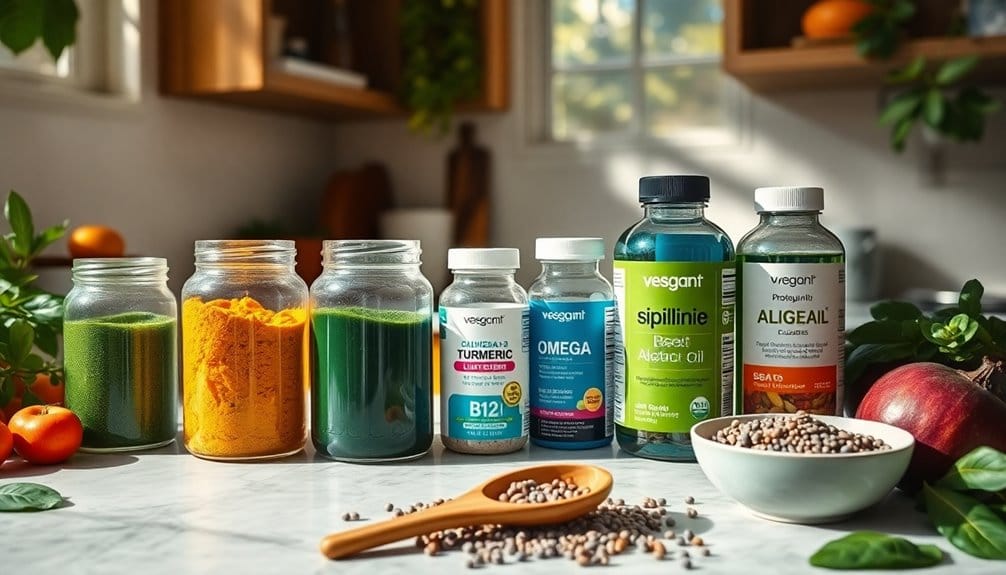
While a vegan diet offers many health benefits, it can sometimes leave you short on key nutrients. Vitamin B12, iron, calcium, and omega-3 fatty acids are often lacking in plant-based diets.
Since your body relies on certain foods for ideal nutrient absorption, it’s essential to seek out fortified foods that can fill these gaps. For instance, many plant milks and breakfast cereals are fortified with B12 and calcium.
Additionally, consider incorporating algae-based omega-3 supplements to boost your intake. By being mindful of these nutrients and choosing fortified options, you can guarantee your vegan diet remains balanced and supports your overall wellness.
Don’t overlook the importance of variety and supplementation to meet your nutritional needs!
Top Vegan Protein Supplements for Muscle Support
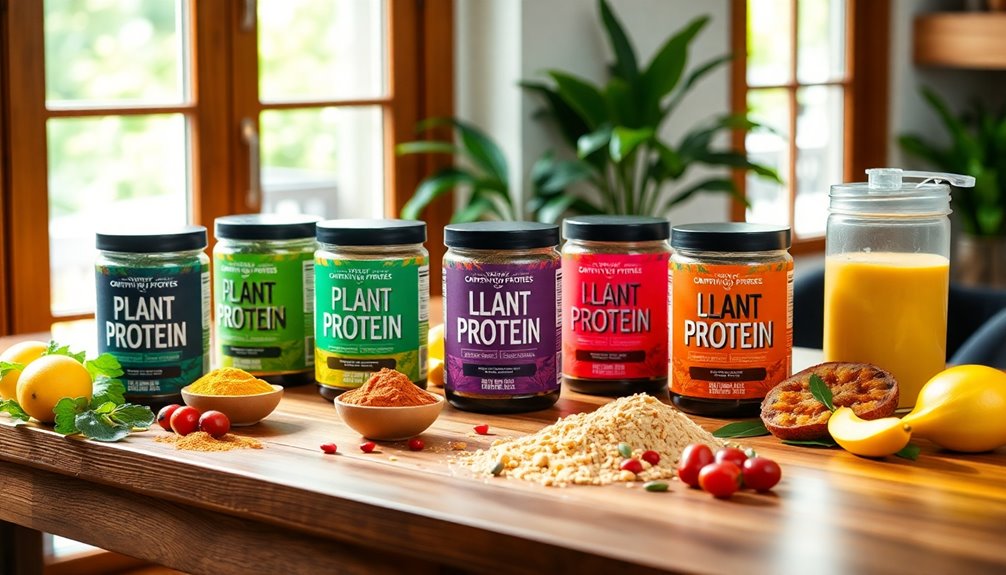
When you’re looking to boost your muscle support with vegan protein, it’s key to know the best plant-based sources available.
Understanding essential amino acids and how to mix your supplements can make a big difference in your results.
Let’s explore these important aspects to help you optimize your vegan protein intake.
Popular Plant-Based Protein Sources
Many people are turning to plant-based protein sources to fuel their fitness goals and support muscle growth.
Hemp protein is rich in omega fatty acids, while pea protein offers a great amino acid profile.
Brown rice and quinoa protein are excellent for a complete protein source, perfect for recovery.
Soy protein is versatile and effective for muscle building, whereas pumpkin seed protein adds a unique flavor and nutrient boost.
Don’t forget about chia protein, which packs in fiber and healthy fats.
Spirulina powder is a powerful addition, providing essential vitamins.
For a balanced approach, consider protein blends that combine various sources.
Nut butters also serve as a tasty way to incorporate protein into your diet.
Essential Amino Acids Explained
Understanding fundamental amino acids is key for maximizing your muscle support, especially when relying on plant-based protein sources. These amino acids are crucial for muscle repair and growth, but they aren’t all created equal.
While animal proteins often provide complete proteins, many plant-based options lack one or more essential amino acids. To achieve ideal amino acid balance, consider combining sources like lentils with rice or pea protein with quinoa. This way, you can guarantee you’re getting all the essential amino acids your body needs.
Look for vegan protein supplements that specifically highlight their amino acid profile, as they can help bridge any gaps in your diet and support your fitness goals effectively.
Best Mixing Techniques Tips
Choosing the right mixing techniques can elevate your vegan protein supplement game considerably.
Start with a high-quality blender for a smooth consistency, or use a shaker bottle with a mixing ball for on-the-go convenience.
When it comes to mixing methods, try combining your protein powder with plant-based milk instead of water for a creamier texture.
Adding fruits like bananas or berries not only enhances flavor but also boosts nutrition.
If you’re looking for flavor enhancements, consider spices like cinnamon or vanilla extract.
You can even toss in nut butter for added richness.
Experiment with different combinations until you find what suits your taste buds best.
With the right techniques, your vegan protein shake can be both delicious and effective.
The Importance of Vitamin B12 for Vegans
As a vegan, you need to pay special attention to vitamin B12, since it’s vital for your overall health.
Without it, you might experience symptoms like fatigue and weakness.
Let’s explore the best sources and supplements to guarantee you’re getting enough of this essential nutrient.
Essential Nutrient For Vegans
While many plant-based foods provide essential nutrients, vitamin B12 stands out as a critical supplement for vegans. This vitamin plays a crucial role in nerve function and red blood cell production, but it’s primarily found in animal products.
Without proper intake, you could face vegan deficiencies that may affect your overall health. To guarantee you’re meeting your body’s needs, consider the timing of your nutrient intake. Taking B12 supplements with meals can enhance absorption, making it more effective.
Regularly including fortified foods or a reliable supplement in your routine will help prevent deficiencies. Remember, a well-rounded approach to nutrition is key to thriving on a vegan diet, so don’t overlook this essential nutrient!
Deficiency Symptoms To Watch
Neglecting vitamin B12 can lead to serious health issues, especially for those following a vegan diet. Being aware of deficiency symptoms is vital for maintaining your overall health.
Common signs include fatigue, weakness, and cognitive difficulties. You might also experience mood changes, tingling sensations, or even vision problems. These symptoms can disrupt your daily life and indicate a significant nutrient imbalance.
By staying vigilant about deficiency awareness, you can take proactive steps to guarantee you’re meeting your vitamin B12 needs. Regularly monitoring your health will help you recognize any potential issues early, allowing you to seek guidance and make necessary adjustments to your diet or supplementation.
Don’t underestimate the importance of B12 in achieving a balanced, healthy lifestyle.
Best Sources And Supplements
Finding reliable sources of vitamin B12 is essential for anyone on a vegan diet, since this crucial nutrient primarily comes from animal products. To guarantee you’re getting enough B12, consider fortified foods like plant-based milks, breakfast cereals, and nutritional yeast.
These options not only boost your B12 levels but can also complement your vegan protein intake.
If you’re unsure about your dietary sources, B12 supplements are a convenient choice. Look for methylcobalamin or cyanocobalamin forms for effective nutrient absorption.
Regularly monitoring your levels is important, as deficiency can lead to serious health issues. Incorporating these sources and supplements into your routine will help you maintain overall wellness while following a vegan lifestyle.
Iron Supplements: What You Need to Know
Have you ever wondered how to boost your iron levels on a vegan diet? Iron is essential, but getting enough can be tricky since plant-based diets primarily offer non-heme sources.
Focus on iron-rich recipes using lentils, beans, and fortified foods. To enhance iron absorption, pair these with vitamin C-rich foods like citrus or bell peppers.
Be mindful of cooking methods; using cast iron pans can increase iron content in your meals. If you’re still falling short, consider iron supplements, but pay attention to supplement timing—taking them with a meal can help.
Maintaining a dietary balance is crucial, so monitor your intake and consult a healthcare provider if you have concerns about your iron levels.
Omega-3 Fatty Acids: Plant-Based Sources
When it comes to Omega-3 fatty acids, you don’t have to rely on fish oil.
Algal oil offers a great plant-based option, packed with benefits for your heart and brain.
Plus, flaxseed and chia seeds are excellent sources that can easily fit into your diet.
Algal Oil Benefits
Although you might associate omega-3 fatty acids primarily with fish, algal oil offers a potent, plant-based alternative that’s rich in these essential nutrients.
This oil is derived from algae, providing a direct source of DHA and EPA, which are crucial for brain and heart health.
Unlike other omega sources, algal oil is sustainable and environmentally friendly, making it an excellent choice for vegans and those looking to reduce their carbon footprint.
Plus, it’s free from heavy metals and contaminants often found in fish oil.
Incorporating algal oil into your daily routine can support overall wellness while ensuring you get the omega-3s your body needs.
Flaxseed and Chia Seeds
While algal oil is a fantastic source of omega-3s, flaxseed and chia seeds are also excellent plant-based options. Incorporating these into your diet can provide numerous health benefits that support your overall wellness.
Here are three key advantages:
- Flaxseed Benefits: Rich in alpha-linolenic acid (ALA), flaxseeds help reduce inflammation and improve heart health.
- Chia Seeds: Packed with fiber, chia seeds can aid digestion and promote a feeling of fullness, making them great for weight management.
- Nutrient Density: Both seeds are loaded with antioxidants, vitamins, and minerals, boosting your nutrient intake without added calories.
Calcium and Vitamin D: Essential for Bone Health
Calcium and vitamin D play an important role in maintaining strong bones, so it’s essential to make sure you’re getting enough of these nutrients, especially on a vegan diet.
For calcium sources, consider fortified plant milks, tofu, almonds, and leafy greens like kale. These options can help you meet your daily requirements without compromising your dietary choices.
However, vitamin D can be trickier to obtain from a vegan diet. Since it’s primarily found in animal products, you might want to explore vitamin D supplements, specifically those derived from lichen.
These can support your bone health effectively. By ensuring you incorporate adequate calcium and vitamin D into your routine, you’ll promote stronger bones and overall wellness.
Probiotics: Supporting Gut Health Naturally
Probiotics are essential for maintaining a healthy gut, and they offer a range of benefits, from improved digestion to enhanced immune function.
When choosing vegan options, you’ll find plenty of plant-based sources that support your gut health naturally.
Let’s explore how you can incorporate these beneficial bacteria into your diet.
Benefits Of Probiotics
If you’re looking to boost your digestive health, probiotics can be a game-changer. These beneficial bacteria play a vital role in enhancing your gut microbiome impact, leading to improved overall wellness.
Different probiotic strains offer unique benefits, making it essential to find the right one for your needs. Here are three key advantages of incorporating probiotics into your daily routine:
- Digestive Balance: Probiotics help maintain a healthy gut flora, reducing symptoms like bloating and gas.
- Immune Support: A balanced gut microbiome strengthens your immune system, helping you fend off illnesses.
- Nutrient Absorption: Probiotics enhance your body’s ability to absorb essential nutrients, maximizing the benefits of your vegan diet.
Choosing Vegan Options
When it comes to gut health, choosing vegan options can greatly enhance your probiotic intake. Incorporating fermented foods like sauerkraut, kimchi, and tempeh into your vegan meal planning not only supports your gut but also boosts nutrient absorption. These foods are rich in beneficial bacteria, helping your digestive system thrive.
Additionally, look for vegan probiotic supplements that contain strains like Lactobacillus and Bifidobacterium. They can further optimize your gut flora.
Remember, a diverse diet filled with plant-based foods will create a healthy environment for these probiotics to flourish. By prioritizing vegan options, you’re investing in your overall wellness and ensuring your body efficiently absorbs essential nutrients.
Embrace this journey, and your gut will thank you!
Antioxidants: Boosting Your Immune System
While many people focus on diet and exercise for a healthy immune system, don’t overlook the power of antioxidants.
These compounds help neutralize free radicals, protecting your cells and enhancing immune function. Incorporating antioxidant-rich foods into your daily routine can make a significant difference.
Here are three effective ways to boost your intake:
- Berries: Blueberries, strawberries, and raspberries are packed with vitamins and antioxidants. Try them in smoothies or oatmeal.
- Leafy Greens: Kale and spinach are excellent sources. Toss them into salads or blend them in your favorite green smoothie.
- Nuts and Seeds: Almonds and chia seeds provide healthy fats and antioxidants. Snack on them or add them to your meals.
Explore these immune-boosting foods and discover delicious, antioxidant-rich recipes!
Herbal Supplements for Energy and Vitality
Herbal supplements can be a game-changer for boosting your energy and vigor, especially when you’re feeling drained. Consider incorporating herbal energy options like ginseng and maca root into your routine.
Ginseng helps combat fatigue, while maca root is known for enhancing stamina and endurance.
Another great choice is ashwagandha, a powerful adaptogen that can help reduce stress and improve overall wellness.
Rhodiola rosea is also worth exploring; it’s celebrated for its ability to enhance mental clarity and physical performance.
These energy boosters not only provide a natural lift but also support your overall well-being.
How to Choose Quality Vegan Supplements
How can you guarantee you’re choosing quality vegan supplements? Start by being diligent about what you put in your body. Here are three essential factors to take into account:
- Ingredient Sourcing: Look for brands that provide transparency about where their ingredients come from. High-quality supplements often use organic, non-GMO sources.
- Ethical Certifications: Check for third-party certifications, like vegan, cruelty-free, or organic labels. These can help confirm the product meets certain ethical and quality standards.
- Transparency in Labeling: Choose supplements that clearly list all ingredients and their dosages. Avoid products that hide components or use vague terms.
Recommended Daily Allowances for Vegan Nutrients
Understanding the recommended daily allowances (RDAs) for vegan nutrients is essential for maintaining a balanced diet. As a vegan, you need to pay attention to key nutrients like vitamin B12, iron, calcium, and omega-3 fatty acids. Each nutrient has specific RDAs that help guarantee you meet your daily intake for peak health.
For instance, consider focusing on nutrient density in your meals—foods rich in vitamins and minerals but low in calories. Incorporate sources like fortified plant milks for calcium and nutritional yeast for B12.
Tracking your intake can help you identify any deficiencies and guide you in supplementing appropriately. By prioritizing RDAs, you’ll enhance your overall wellness and guarantee your diet supports your lifestyle.
Potential Side Effects of Vegan Supplements
While vegan supplements can provide essential nutrients, they can also lead to potential side effects if not taken correctly. It’s vital to be aware of these risks to guarantee your wellness journey remains positive.
Here are three key considerations:
- Dosage Considerations: Taking more than the recommended dosage can lead to toxicity or adverse reactions. Always check labels for guidance.
- Potential Interactions: Vegan supplements may interact with medications or other supplements, affecting their efficacy or leading to unwanted side effects.
- Individual Sensitivities: Everyone’s body reacts differently. Be mindful of how you feel after taking a supplement, especially when trying something new.
Lastly, verify you’re sourcing quality products to minimize the risk of contaminants that can exacerbate side effects.
Tips for Incorporating Supplements Into Your Routine
Incorporating supplements into your routine can be seamless if you approach it with a plan. Start by scheduling reminders on your phone or calendar to help you remember when to take them.
You’re more likely to stick with your regimen if it fits your lifestyle, so create personalized routines that align with your daily activities. For example, take supplements with meals to help you remember or pair them with your morning coffee or evening wind-down.
Keep your supplements visible—placing them on your kitchen counter or next to your toothbrush can serve as a helpful visual cue.
Finally, track your progress to see how these supplements benefit your wellness journey, and adjust your routine as needed.
When to Consult a Healthcare Professional?
Knowing when to consult a healthcare professional is essential for ensuring your supplement regimen is safe and effective. Here are some consultation indicators to evaluate:
- Pre-existing Conditions: If you have any chronic health issues, it’s wise to discuss new supplements with your doctor first.
- Medication Interactions: If you’re taking prescription medications, certain supplements may cause harmful interactions—always check with a healthcare provider.
- Unusual Symptoms: If you experience side effects or unusual symptoms after starting a supplement, consulting a healthcare professional can help identify issues and explore healthcare options.
Conclusion
Incorporating vegan-friendly supplements into your daily routine can be like adding vibrant colors to a blank canvas. They fill the gaps, ensuring your body thrives in every way. Picture yourself bursting with energy, ready to conquer the day with a nourished mind and body. Remember, each supplement is a step toward vibrant health, but always listen to your body. If something feels off, don’t hesitate to reach out to a healthcare professional. Your wellness journey deserves the best care.