When deciding between probiotics and prebiotics, it helps to know their roles. Probiotics introduce live beneficial bacteria to your gut, enhancing digestion and immune function. Prebiotics, on the other hand, nourish existing gut bacteria, supporting their growth and health. Your needs may vary based on digestive goals. If you’re unsure whether probiotics or prebiotics are right for you, you’ll find valuable insights ahead.
What Are Probiotics and How Do They Work?

When it comes to gut health, probiotics play an essential role in maintaining a balanced microbiome.
These live microorganisms, often found in fermented foods or supplements, help restore microbial balance in your digestive system. By introducing beneficial bacteria, probiotics enhance digestive harmony, making it easier for your body to process food and absorb nutrients.
They can also help combat harmful bacteria, reducing the risk of gastrointestinal issues like bloating and diarrhea.
When you include probiotics in your diet, you’re not just supporting your gut; you’re also boosting your overall health.
Whether you choose yogurt, kefir, or a supplement, incorporating probiotics can greatly impact your well-being, leading to a happier, healthier you.
Understanding Prebiotics and Their Role in Gut Health
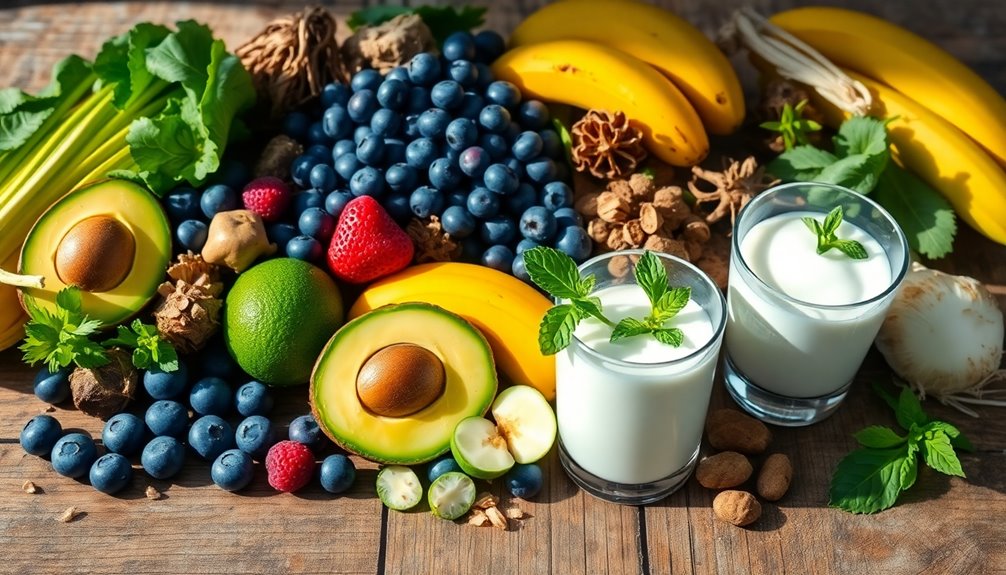
Prebiotics are non-digestible fibers that feed the good bacteria in your gut.
By understanding what prebiotics are and how they function, you can access their numerous benefits for your digestive health.
Let’s explore how adding prebiotics to your diet can enhance your overall well-being.
What Are Prebiotics?
If you’re looking to boost your gut health, understanding prebiotics is a great place to start. Prebiotics are non-digestible fibers that feed the beneficial bacteria in your gut. By consuming prebiotic foods, you’re helping to create a thriving environment for these good bacteria.
Here are some common prebiotic sources:
- Bananas
- Onions
- Garlic
- Asparagus
Incorporating these foods into your diet can enhance your gut microbiome, aiding digestion and overall well-being.
Unlike probiotics, which introduce new bacteria, prebiotics nourish the bacteria already present in your system. This distinction makes them an essential component of a balanced diet focused on gut health.
Understanding these elements can empower you to make informed dietary choices.
Benefits Of Prebiotics
While many people focus on probiotics, the benefits of prebiotics are equally important for maintaining a healthy gut.
Prebiotics are non-digestible fibers that nourish the good bacteria in your gut, promoting a balanced microbiome. By incorporating prebiotic sources like garlic, onions, bananas, and asparagus into your diet, you can enhance your digestive health considerably.
These fibers help improve nutrient absorption, reduce bloating, and alleviate constipation. They also support immune function and may lower the risk of certain diseases.
The Differences Between Probiotics and Prebiotics

When it comes to gut health, understanding the differences between probiotics and prebiotics is essential.
Probiotics are live bacteria that contribute to your gut flora, while prebiotics serve as food for those beneficial bacteria.
Let’s explore how both play unique roles in supporting your digestive system.
Probiotics Defined and Functions
Probiotics are live microorganisms that provide health benefits when consumed in adequate amounts. These beneficial bacteria play a vital role in maintaining your gut microbiome.
By incorporating specific probiotic strains, you can enhance your overall health. Here are some key functions of probiotics:
- Support digestion and nutrient absorption
- Strengthen the immune system
- Balance the gut microbiome
- Alleviate symptoms of certain gastrointestinal disorders
When you take probiotics, you’re fundamentally adding good bacteria to your system, which can help keep your gut healthy and functioning effectively.
Prebiotics Explained and Benefits
Prebiotics are non-digestible fibers that feed the beneficial bacteria in your gut, promoting their growth and activity. By incorporating prebiotic sources like garlic, onions, bananas, and whole grains into your diet, you can support a healthy gut microbiome.
These fibers serve as food for probiotics, enhancing their effectiveness and helping to maintain a balanced gut environment. When you consume prebiotics, you may experience improved digestion, enhanced immunity, and even better mood regulation.
Plus, prebiotics can help in managing weight by promoting a feeling of fullness. By understanding the role of prebiotics, you can make informed choices to boost your gut health and overall well-being.
Why Gut Health Matters for Overall Wellbeing
Gut health plays an essential role in your overall wellbeing, affecting everything from digestion to mental health. A balanced gut microbiome is crucial for maintaining good digestive health, and its impact goes beyond just your stomach.
Here’s why you should care about your gut:
- Nutrient absorption: A healthy gut helps your body absorb essential nutrients effectively.
- Immune function: A well-functioning gut microbiome supports a strong immune system, warding off illness.
- Mental clarity: Gut health influences mood and cognitive functions, linking to mental wellbeing.
- Weight management: An ideal gut microbiome can help regulate metabolism and body weight.
Benefits of Probiotics: What Science Says
Maintaining a balanced microbiome is a key factor in achieving ideal health, and incorporating probiotics into your routine can offer numerous advantages.
Research shows that probiotics can improve digestion, reduce bloating, and enhance nutrient absorption. You’ll find beneficial probiotic sources in yogurt, kefir, and fermented foods like sauerkraut and kimchi. These live bacteria support your gut health by maintaining a healthy balance of microorganisms.
Probiotics may also boost your immune system, helping you fend off illnesses. If you pair them with prebiotic foods like garlic, onions, and bananas, you can create an advantageous environment for probiotics to thrive.
Benefits of Prebiotics: Why They’re Essential
While you might be familiar with probiotics, it’s essential not to overlook the significant role prebiotics play in your health.
Prebiotics are non-digestible fibers that nourish your gut bacteria, promoting a balanced microbiome. Here’s why they’re essential:
- Boosts digestion: Prebiotics improve gut health by enhancing nutrient absorption.
- Supports immune function: A healthy gut flora strengthens your immune system.
- Enhances mood: A balanced microbiome can positively affect your mental well-being.
- Promotes weight management: Fiber sources in prebiotics help you feel full longer, aiding weight control.
Incorporating prebiotics into your diet can lead to numerous health benefits, ensuring your gut bacteria thrive and contribute to your overall wellness.
How to Choose the Right Probiotic for You?
Choosing the right probiotic starts with identifying your health goals.
Specific strains target different issues, so knowing what you need is essential.
Don’t forget to think about the dosage and formulation that best fits your lifestyle.
Identify Your Health Goals
How can you determine which probiotic is right for you? Start with a health assessment and clear goal setting.
Think about what you want to achieve with probiotics. Here are some common health goals:
- Boosting immunity
- Improving digestion
- Reducing stress and anxiety
- Enhancing skin health
Once you identify your goals, you can better choose a probiotic that aligns with your needs.
Research specific strains that target your objectives, and consider factors like dosage and delivery method.
Don’t hesitate to consult a healthcare professional to refine your choices.
Strain Specificity Matters
When selecting the right probiotic, understanding strain specificity is essential. Not all probiotics are created equal; specific strains can offer targeted benefits.
For instance, if you’re aiming to improve digestion, look for strains like Lactobacillus acidophilus or Bifidobacterium bifidum, known for their digestive support.
When you explore strain diversity, you’ll find that some combinations work better for certain health issues than others. This means that a broad-spectrum probiotic mightn’t be the best choice if you have specific health goals in mind.
Always check labels for the specific strains included, as this can help you make an informed decision. Tailoring your choice to your needs will maximize the potential benefits of your probiotic supplement.
Consider Dosage And Formulation
While understanding strain specificity is crucial, considering dosage and formulation is equally important in selecting the right probiotic for you.
Here are some key factors to keep in mind:
- Dosage Guidelines: Check the recommended daily dose; typically, 1-10 billion CFUs (colony-forming units) is effective.
- Formulation Types: Probiotics come in various forms like capsules, powders, and fermented foods. Choose what fits your lifestyle.
- Targeted Delivery: Look for formulations that guarantee the probiotics survive stomach acid to reach your gut.
- Additives: Be aware of additional ingredients; some may include prebiotics or allergens you want to avoid.
Finding the Best Sources of Prebiotics in Your Diet
To enhance your gut health, incorporating prebiotic-rich foods into your diet is crucial. These foods are packed with fermentable fibers that nourish your beneficial gut bacteria.
Some of the best natural sources include garlic, onions, leeks, asparagus, and bananas. Chicory root is another excellent option, offering a high concentration of prebiotics.
Additionally, whole grains like oats and barley can contribute to your daily intake. Don’t forget legumes, such as lentils and chickpeas, which are also rich in these essential fibers.
Common Myths About Probiotics and Prebiotics
Many people think that probiotics are always the better choice and that prebiotics aren’t needed at all.
You’ll also hear claims that all probiotics are the same, which isn’t true.
Let’s clear up these common myths and understand the real differences between probiotics and prebiotics.
Probiotics Are Always Better
Although probiotics often steal the spotlight in discussions about gut health, it’s a common misconception that they’re always the superior choice.
In reality, neither probiotics nor prebiotics can claim outright superiority; both play crucial roles. Here are some health misconceptions to reflect on:
- Probiotics alone can fix all gut issues.
- All probiotics are equally effective.
- You don’t need prebiotics if you take probiotics.
- Probiotics can replace a balanced diet.
Understanding these points can help you make informed choices.
Sometimes, prebiotics may be necessary to nourish the beneficial bacteria introduced by probiotics.
Prebiotics Are Unnecessary Supplements
Some people believe that prebiotics are unnecessary supplements, especially if they’re already taking probiotics. However, this isn’t the whole picture.
Prebiotics play an essential role in feeding the beneficial bacteria in your gut microbiome, enhancing their effectiveness. While probiotics introduce live bacteria, prebiotic sources like bananas, onions, and garlic provide the fuel those bacteria need to thrive.
Without this nourishment, even the best probiotics may struggle to colonize your gut effectively. So, if you’re serious about maintaining a healthy gut, consider adding prebiotics to your routine.
They work hand-in-hand with probiotics, ensuring your gut microbiome stays balanced and robust. Don’t underestimate the power of prebiotics; they’re not just optional extras.
All Probiotics Are Identical
Just because probiotics are often lumped together doesn’t mean they’re all the same. You need to understand that probiotic diversity plays a significant role in their effectiveness.
Different strains can offer varying benefits, and not all probiotics deliver the same results. Here are some key points to reflect on:
- Strain-specific benefits: Different strains target different health issues.
- Survivability: Some strains survive better in your gut than others.
- Dosage matters: Effectiveness can depend on the number of colony-forming units (CFUs).
- Research-backed: Not all probiotics have the same level of scientific support for their health claims.
How Probiotics and Prebiotics Work Together
When you combine probiotics and prebiotics, they create a powerful synergy that enhances gut health. Probiotics are live bacteria that support a healthy microbiome, while prebiotics are fibers that feed these beneficial bacteria.
Combining probiotics and prebiotics creates a powerful synergy that significantly enhances gut health.
This partnership leads to synergistic effects, boosting the effectiveness of both. As prebiotics nourish probiotics, they help maintain digestive balance, ensuring your gut flora thrives.
This balance is essential for ideal digestion, nutrient absorption, and even immune function. By incorporating both into your diet, you can maximize their benefits, promoting a healthier gut environment.
Whether through supplements or food sources, pairing these elements can lead to improved overall well-being. So, consider adding both to your routine for the best results.
Signs You Might Need Probiotics or Prebiotics?
If you’ve been experiencing digestive issues, frequent bloating, or a weakened immune system, it might be time to contemplate whether you need probiotics or prebiotics.
Here are some signs to look out for:
- Persistent gut discomfort or digestive irregularities
- Low energy levels or fatigue, affecting daily activities
- Skin health problems, such as acne or eczema flare-ups
- Frequent mood swings or heightened stress levels
If you’ve recently used antibiotics, your gut flora might need a boost for better immune support and dietary balance.
Potential Side Effects of Probiotics and Prebiotics
While probiotics and prebiotics offer numerous health benefits, they can also come with potential side effects that you should be aware of.
Probiotic side effects often include mild digestive issues like gas, bloating, or an upset stomach, especially when you first start taking them. These symptoms usually subside as your body adjusts.
Probiotic side effects may include mild digestive issues like gas and bloating, but these typically improve as your body adjusts.
On the other hand, prebiotic reactions can lead to similar digestive discomfort, particularly if you consume them in large amounts.
It’s important to start with smaller doses and gradually increase them to minimize these side effects. If you experience severe reactions or persistent discomfort, consult with a healthcare professional to determine the best approach for your health needs.
Dietary Considerations: When to Supplement?
Understanding when to supplement with probiotics or prebiotics can greatly enhance your gut health. You should consider specific dietary balance and supplement timing to make the most of these additions.
Here are some key moments to think about supplementation:
- If you’re on antibiotics, which can disrupt your gut flora.
- When you experience digestive issues like bloating or constipation.
- During periods of high stress, which can negatively impact gut health.
- If your diet lacks diversity, leading to potential nutrient gaps.
Being mindful of these factors can help you decide when to incorporate these supplements for best gut function.
Always remember, each individual’s needs are unique, so listen to your body and consult with a healthcare professional if needed.
Making Informed Choices: Probiotics vs. Prebiotics
When choosing between probiotics and prebiotics, how can you determine which option suits your needs best?
Start by evaluating your digestive health goals. If you want to introduce beneficial bacteria, consider probiotic sources like yogurt, kefir, and sauerkraut. These can help balance your gut flora.
On the other hand, if you’re looking to fuel the good bacteria already in your system, focus on prebiotic foods such as garlic, onions, and bananas. These fibrous foods provide the necessary nutrients for probiotics to thrive.
Ultimately, you might find both beneficial, depending on your unique health needs. Consult with a healthcare professional to tailor your supplement choices for ideal gut health.
Make informed decisions that align with your dietary preferences and wellness goals.
Conclusion
To summarize, understanding the difference between probiotics and prebiotics can empower you to make informed choices for your gut health. Did you know that nearly 70% of your immune system resides in your gut? By incorporating the right supplements into your diet, you can enhance not just your digestive health, but also your overall wellbeing. Whether you choose probiotics or prebiotics, prioritize what your body needs to thrive and keep that gut balanced!