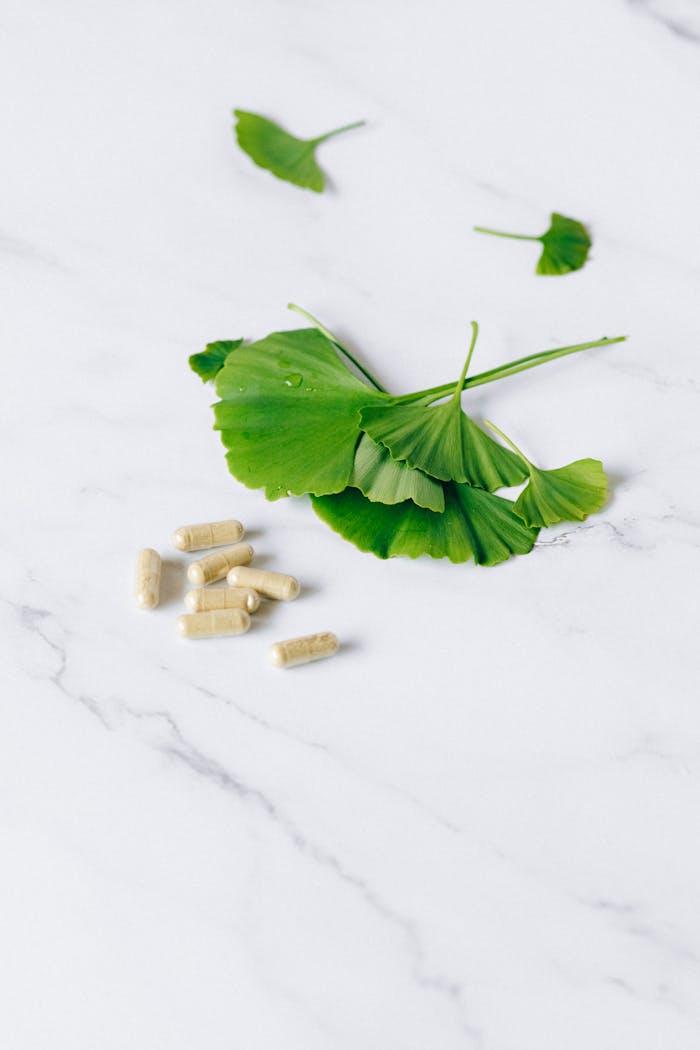
Ashwagandha is an ancient adaptogenic herb known for reducing stress, boosting energy, and enhancing mental clarity. It works by modulating your body’s stress response and balancing hormone levels, promoting overall wellness. To use it safely, start with a lower dosage of 300 mg and consult a healthcare professional if you’re on medications or have pre-existing conditions. For tips on incorporating ashwagandha into your routine and choosing quality supplements, you’ll find valuable insights ahead.
What Is Ashwagandha and Its Historical Significance?

Ashwagandha, often referred to as “Indian ginseng,” is a powerful adaptogenic herb with a rich history rooted in traditional Ayurvedic medicine.
For centuries, people have relied on its historical uses to promote overall health and balance. In traditional medicine, it’s been valued for its ability to reduce stress, enhance energy, and support mental clarity.
Ancient texts describe its benefits for rejuvenation and longevity, making it a staple in holistic healing practices.
You might find it helpful to understand that ashwagandha has been used not just for physical ailments but also for emotional well-being.
How Does Ashwagandha Work in the Body?

When you incorporate ashwagandha into your routine, it works by modulating your body’s stress response and balancing hormone levels. This adaptogenic herb influences cortisol production, helping to lower stress and anxiety.
By stabilizing your body’s stress hormones, you may experience improved mood and energy levels. Additionally, ashwagandha enhances thyroid function, contributing to better metabolism and weight management.
To maximize ashwagandha benefits, it’s crucial to find the right ashwagandha dosage. Most studies suggest a daily intake of 300-600 mg of a standardized extract for ideal effects.
Key Health Benefits of Ashwagandha: An Overview

As you explore the key health benefits of ashwagandha, you’ll discover its remarkable ability to enhance both mental and physical well-being.
Known for its adaptogenic properties, ashwagandha helps your body manage stress and restore balance. Its traditional uses span centuries, offering a wealth of advantages:
Renowned for its adaptogenic qualities, ashwagandha aids in stress management and helps restore your body’s natural balance.
- Boosts Energy Levels: You’ll feel more energized and ready to tackle your day.
- Enhances Cognitive Function: Sharpen your focus and mental clarity, making tasks easier to manage.
- Supports Immune Health: Strengthen your immune system, promoting overall wellness.
Incorporating ashwagandha into your routine can lead to a healthier, more vibrant life, allowing you to harness its full potential.
Ashwagandha for Stress Relief: What Does the Research Say?
When it comes to stress relief, research on ashwagandha offers some promising insights.
You’ll find studies highlighting its effectiveness, exploring how it works in the body and recommending appropriate dosages.
Let’s break down the science behind ashwagandha and what it means for your stress management.
Scientific Studies Overview
While many people turn to natural remedies for stress relief, scientific research has increasingly focused on ashwagandha’s potential benefits. Numerous clinical trials suggest that ashwagandha may greatly reduce stress levels.
Here are three key findings from ashwagandha research:
- Cortisol Reduction: Participants showed a notable decrease in cortisol levels, the hormone associated with stress.
- Anxiety Relief: Many subjects reported lower anxiety scores after taking ashwagandha supplements.
- Improved Sleep Quality: Users experienced better sleep patterns, contributing to overall stress reduction.
These studies point to ashwagandha’s effectiveness in promoting mental well-being, making it a promising option for those seeking natural stress relief.
As always, consult with a healthcare provider before starting any new supplement.
Mechanism of Action
Understanding how ashwagandha works in the body can help you appreciate its role in stress relief. This powerful herb boasts adaptogenic properties, meaning it helps your body adapt to stressors and maintain equilibrium.
When you consume ashwagandha, it influences your body’s stress response by regulating cortisol levels, the primary stress hormone. By promoting hormonal balance, ashwagandha can reduce anxiety and improve overall mood.
Research suggests that it enhances your body’s resilience to stress, making it easier to manage daily challenges. Additionally, ashwagandha may support brain health, further aiding in your ability to cope with stress.
Incorporating this herb into your routine can lead to a more balanced emotional state, helping you feel calmer and more centered.
Recommended Dosage Guidelines
Finding the right dosage of ashwagandha is essential for maximizing its stress-relieving benefits.
Different ashwagandha forms can affect how your body absorbs it, so understanding dosage variations is key. Here’s a quick guide to help you:
- Powder form: Typically, 1-2 teaspoons (3-6 grams) daily mixed in milk or water.
- Capsules: Usually, 300-500 mg taken once or twice a day, depending on the concentration.
- Liquid extracts: Generally, 1-2 ml, taken once or twice daily, but always check the label for specific instructions.
Start with a lower dosage to see how your body responds, and adjust as needed.
Always consult a healthcare professional before beginning any new supplement regimen.
Enhancing Energy Levels With Ashwagandha: a Natural Approach
If you’re feeling drained and in need of a natural boost, ashwagandha might be just what you’re looking for. This powerful herb is a natural adaptogen, helping your body adapt to stress while promoting energy enhancement.
By balancing cortisol levels, ashwagandha supports your body’s resilience, enabling you to tackle daily challenges with renewed vigor.
Incorporating ashwagandha into your routine can be as simple as taking a supplement or adding the powder to smoothies or teas. Many users report increased energy levels and improved stamina after regular use.
Just remember to choose a high-quality product and consult with a healthcare professional to determine the right dosage for your needs. Embrace the natural energy boost that ashwagandha offers!
Cognitive Benefits of Ashwagandha: Can It Boost Your Brain Power?
How can ashwagandha enhance your cognitive abilities? This powerful adaptogen may aid in cognitive enhancement and memory improvement. By reducing stress and anxiety, ashwagandha helps keep your mind sharp and focused.
Here are three ways it can boost your brain power:
- Stress Reduction: Lowering cortisol levels allows for clearer thinking and better decision-making.
- Memory Support: Enhanced neurogenesis can lead to improved recall and retention of information.
- Focus and Attention: Increased mental clarity helps you concentrate on tasks more effectively.
Incorporating ashwagandha into your routine may not only help you feel more relaxed but also empower your mind to function at its best.
Experience the potential benefits and release your cognitive prowess with this ancient herb!
How to Incorporate Ashwagandha Into Your Daily Routine
Incorporating ashwagandha into your daily routine can be simple and rewarding, especially when you understand its various forms and uses.
One popular way is through ashwagandha smoothies; just blend a teaspoon of the powder with your favorite fruits, yogurt, and a splash of milk for a nutritious boost. You can also add it to oatmeal or yogurt for an easy breakfast option.
If you prefer capsules, take them with your meals to guarantee consistency. To make it a daily ashwagandha routine, try setting a specific time each day to take it, helping you remember and enjoy its benefits regularly.
Experiment with different recipes and find what fits best with your lifestyle!
Recommended Dosages of Ashwagandha: Finding Your Optimal Amount
When it comes to finding the right dosage of ashwagandha for you, there are some standard guidelines to keep in mind.
Your individual factors, like age and health status, can also play a big role in determining the ideal amount.
Plus, it’s important to be aware of any potential safety concerns or side effects.
Standard Dosage Guidelines
Determining the right dosage of ashwagandha can enhance its benefits and tailor the experience to your needs. Here are some standard dosage considerations to keep in mind:
- General Dosage: Most studies suggest a daily intake of 300-600 mg of standardized extract.
- Consumption Methods: You can take ashwagandha in various forms, including capsules, powders, or teas, depending on your preference.
- Gradual Adjustment: Start with a lower dosage and gradually increase it to find what works best for you.
Always consult with a healthcare professional before starting any new supplement to ascertain it’s safe and suitable for your individual circumstances.
Individual Factors To Consider
Finding the ideal dosage of ashwagandha often hinges on individual factors such as age, weight, health status, and specific wellness goals.
Your individual health plays a vital role in determining how much you should take. For instance, if you’re managing stress or anxiety, you might need a different amount compared to someone seeking to boost energy levels.
Lifestyle factors, like diet and exercise routines, also influence your best dosage. Generally, starting with a lower dose and gradually increasing it allows you to find what works best for you.
Always listen to your body and consult a healthcare professional to tailor your dosage to your unique needs. This guarantees you reap the benefits while considering your overall well-being.
Safety And Side Effects
While ashwagandha is generally considered safe for most people, it’s important to be aware of potential side effects and recommended dosages to guarantee you’re using it effectively.
Here are some safety precautions to keep in mind for side effect management:
- Start Low: Begin with a lower dose, around 300 mg, to see how your body reacts before increasing.
- Monitor Effects: Pay attention to how you feel. Any unusual symptoms should prompt a reassessment of your dosage.
- Consult a Professional: Always talk to your healthcare provider, especially if you’re pregnant, nursing, or on medications.
Potential Side Effects and Precautions When Using Ashwagandha
Although Ashwagandha is celebrated for its numerous health benefits, it’s vital to be aware of potential side effects and precautions before incorporating it into your routine. Some people may experience digestive issues, headaches, or drowsiness.
It’s important to start with lower doses to assess tolerance, following dosage recommendations closely. Be cautious of ashwagandha interactions, especially if you’re taking medications for thyroid conditions, anxiety, or blood sugar management.
If you’re pregnant, nursing, or have specific health concerns, consult your healthcare provider before use. Monitoring your body’s response can help you enjoy the benefits while minimizing risks.
Always prioritize safety and make sure you’re informed about how ashwagandha may affect you personally.
Who Should Avoid Ashwagandha? Identifying Contraindications
If you’re pregnant, nursing, or dealing with autoimmune diseases, it’s best to steer clear of ashwagandha.
This herb can interact with certain conditions, particularly those related to the thyroid.
Always consult a healthcare professional before incorporating it into your routine.
Pregnant And Nursing Women
Pregnant and nursing women should exercise caution when considering ashwagandha. While it offers numerous benefits, its effects during pregnancy and lactation aren’t well-studied, raising concerns about pregnancy safety and nursing precautions.
Here are three reasons to think twice:
- Potential Hormonal Effects: Ashwagandha may influence hormone levels, which could affect pregnancy or nursing.
- Lack of Research: There’s limited scientific data on the safety of ashwagandha for pregnant or nursing women, making it hard to assess risks.
- Herbal Interactions: It might interact with other medications or supplements, complicating your health management during this critical time.
It’s best to consult your healthcare provider before using ashwagandha to guarantee you’re making a safe choice for you and your baby.
Autoimmune Disease Conditions
When considering ashwagandha, those with autoimmune diseases should proceed with caution. This herb can potentially influence the immune system, which may exacerbate your autoimmune response.
If you have conditions like rheumatoid arthritis, lupus, or multiple sclerosis, it’s essential to consult with your healthcare provider before using ashwagandha. While it’s known for its benefits in inflammation management, its effect on your immune system could lead to unwanted complications.
You want to guarantee that any supplement you take won’t interfere with your current treatment plan or worsen your symptoms. Always prioritize your health and safety by discussing any new herbal remedies with your doctor, especially if you’re managing an autoimmune condition.
Thyroid Disorders Concerns
For individuals with thyroid disorders, it’s crucial to approach ashwagandha with caution. This herb can influence hormone balance, potentially affecting your thyroid health.
Here are three key groups that should avoid ashwagandha:
- Hyperthyroid Patients: If you have an overactive thyroid, ashwagandha might exacerbate your symptoms.
- Pregnant or Nursing Women: Hormonal changes during pregnancy can be unpredictable, making ashwagandha a risky choice.
- Those on Thyroid Medications: If you’re taking medication for thyroid issues, combining it with ashwagandha could lead to unwanted interactions.
Always consult your healthcare provider before adding ashwagandha to your routine, especially if you’re managing thyroid-related concerns. Your health and safety should always come first.
Tips for Choosing Quality Ashwagandha Supplements
Choosing quality ashwagandha supplements can be an intimidating task, especially with the wide variety available on the market. Start by looking for brands that prioritize quality sourcing, ensuring their ashwagandha is sourced from reputable farms.
Check for third-party testing; this guarantees that the product is free from contaminants and meets label claims. Ingredient transparency is essential—opt for supplements that clearly list all ingredients and their dosages on the label. Avoid products with unnecessary fillers or additives.
Additionally, consider the form of ashwagandha; capsules, powders, and tinctures each have their benefits, so choose what fits your lifestyle best.
Finally, read reviews from other users to gauge effectiveness and reliability before making your selection.
Conclusion
Incorporating ashwagandha into your routine might just be the natural boost you didn’t know you needed. As you navigate life’s stresses, this ancient herb could help you find balance and enhance your energy levels. Just imagine feeling more grounded and focused, even on your busiest days. Remember to choose quality supplements and consult with a healthcare professional to guarantee it’s right for you. With the right approach, ashwagandha could be a game-changer in your wellness journey.