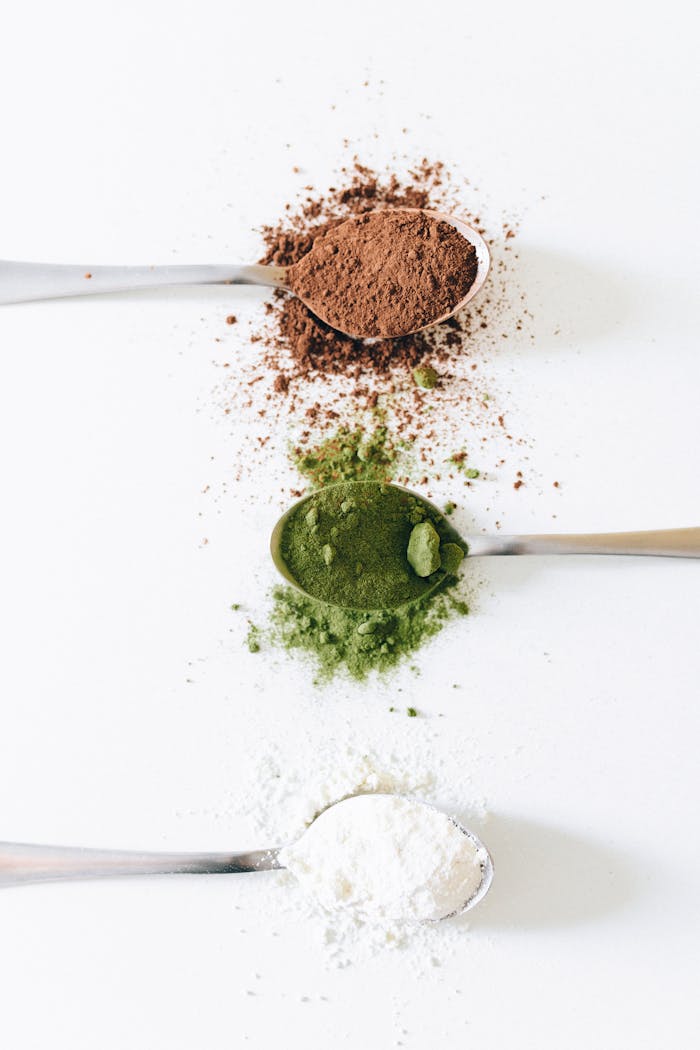
To support hormonal balance, consider discussing the following supplements with your practitioner: Omega-3 fatty acids for inflammation reduction, Vitamin D for hormone synthesis, and magnesium to manage stress and cortisol levels. Adaptogens like ashwagandha can also help regulate hormonal fluctuations. Additionally, probiotics may positively influence hormone health. It’s essential to tailor your supplement plan to your unique needs and health goals, which we’ll explore further to help you make informed decisions.
Understanding Hormonal Balance and Its Importance

Understanding hormonal balance is fundamental for maintaining overall health, as it affects everything from mood and energy levels to weight management and reproductive function.
Your endocrine system plays a critical role in regulating these hormones, and even minor hormonal fluctuations can lead to significant changes in how you feel and function daily.
The endocrine system is vital for hormone regulation, and even slight fluctuations can profoundly impact your daily well-being.
When hormones are out of balance, you might notice increased fatigue, mood swings, or difficulty managing your weight.
It’s essential to pay attention to these signs and understand that they often result from the intricate interplay within your endocrine system.
Key Nutrients for Hormonal Health
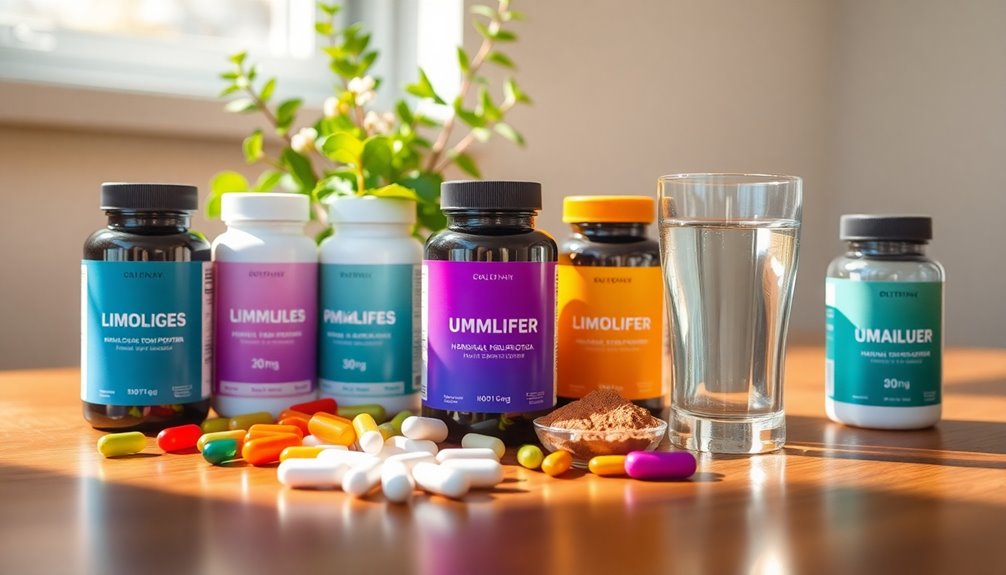
To maintain hormonal health, it’s important to focus on key nutrients that directly influence hormone production and regulation. Nutrient deficiencies can lead to various hormonal symptoms, such as mood swings, fatigue, and irregular cycles.
For instance, vitamin D plays a significant role in the synthesis of hormones, while magnesium helps regulate cortisol levels. B vitamins are crucial for energy and stress response, and zinc supports testosterone and estrogen balance.
Incorporating healthy fats, like avocados and nuts, provides necessary fatty acids that aid in hormone creation. By ensuring you get these nutrients through your diet or supplements, you can help prevent nutrient deficiencies and support your overall hormonal health.
Always consult your practitioner before making significant changes to your regimen.
The Role of Omega-3 Fatty Acids in Hormonal Support

Omega-3 fatty acids play an essential role in supporting hormonal balance and overall health.
These powerful fats help in hormonal regulation by reducing inflammation and promoting healthy cell function. You can find omega-3 sources in fatty fish like salmon, walnuts, flaxseeds, and chia seeds.
Incorporating these foods into your diet can enhance your hormonal health, especially if you struggle with conditions like PMS or menopause. Regular intake of omega-3s may also help improve mood and cognitive function, as hormones greatly influence these areas.
Discussing the right omega-3 supplements with your practitioner can further support your needs, ensuring you achieve ideal hormonal balance and overall well-being.
Prioritize these essential fats for a healthier you.
How Does Vitamin D Contribute to Hormonal Balance?
Vitamin D plays an essential role in regulating hormones that affect everything from mood to metabolism.
It also supports your immune system, helping maintain overall health and balance.
Understanding how Vitamin D influences these areas can empower you to make informed choices about your hormonal well-being.
Vitamin D and Hormone Regulation
Although often overlooked, the role of vitamin D in hormonal balance is essential for overall health. This crucial nutrient helps regulate hormones like insulin, estrogen, and testosterone, supporting functions that affect mood, metabolism, and reproductive health.
If you’re experiencing symptoms like fatigue or mood swings, you might be facing a vitamin D deficiency, which can disrupt hormonal harmony. To boost your levels, consider vitamin D sources such as sunlight, fatty fish, and fortified foods.
Supplements can also be helpful, especially in regions with limited sun exposure. By ensuring adequate vitamin D intake, you can promote a well-balanced hormonal system, ultimately enhancing your well-being and vitality.
Always consult your practitioner before making significant changes to your supplement routine.
Immune System Support Role
When you think about hormonal balance, it’s easy to overlook the immune system‘s role, yet vitamin D is essential in supporting both. This vitamin helps regulate immune function, ensuring your body can effectively fend off illnesses while maintaining hormonal equilibrium.
A deficiency in vitamin D can impair immune responses, leading to increased susceptibility to infections and inflammation, which can disrupt hormonal levels. Supplement sources like fatty fish, fortified foods, and sunlight exposure can help you boost your vitamin D intake.
Benefits of Magnesium for Stress and Hormones
Magnesium plays an important role in managing stress and balancing hormones, making it an essential supplement for overall well-being. When you’re stressed, your body depletes magnesium, which can lead to further hormonal imbalances.
By incorporating magnesium sources like leafy greens, nuts, seeds, and whole grains into your diet, you can support your body’s needs.
For peak benefits, consider magnesium dosage based on your individual health requirements; typically, adults need about 310-420 mg daily.
Supplementing with magnesium can help regulate cortisol levels, reduce anxiety, and improve sleep quality, all vital for hormone balance.
Always discuss your magnesium intake and any supplements with your healthcare practitioner to guarantee you’re meeting your specific health goals.
Exploring Herbal Supplements for Hormonal Regulation
Herbal supplements can be a powerful ally in achieving hormonal balance, especially when you’re seeking natural alternatives to traditional treatments.
Many individuals find success with herbal remedies like black cohosh, which helps alleviate menopausal symptoms, and chaste tree berry, known for its support in regulating menstrual cycles.
You might also consider supplement combinations that include ashwagandha for stress reduction and maca root for energy and libido.
Each of these herbs works differently, so it’s essential to consult with your practitioner to find the right mix for your needs.
The Impact of Probiotics on Hormonal Health
Maintaining hormonal balance goes beyond herbal remedies; probiotics also play a significant role in your overall hormonal health.
These beneficial bacteria support your gut microbiome, which can influence hormone production and regulation. By incorporating specific probiotic strains into your routine, you may experience improved hormonal balance.
- Enhance estrogen metabolism: Certain strains help process estrogen efficiently.
- Support cortisol levels: Probiotics can mitigate stress, aiding cortisol regulation.
- Aid in insulin sensitivity: A healthy gut microbiome may improve blood sugar control.
- Promote overall gut health: This can lead to reduced inflammation, positively impacting hormonal function.
Discussing these benefits with your practitioner can help tailor a probiotic approach that suits your individual hormonal needs.
Why Are Adaptogens Gaining Popularity for Hormonal Support?
Adaptogens are becoming a go-to for those seeking hormonal support because they effectively reduce stress and promote balance.
When stress is managed, your hormones often find their equilibrium, leading to better overall health.
If you’re looking for natural ways to enhance your hormonal well-being, adaptogens might just be the answer.
Stress Reduction Benefits
As stress levels rise in today’s fast-paced world, many people are turning to adaptogens for their remarkable ability to help regulate hormonal balance.
These natural substances can support your body’s response to stress, making it easier to maintain emotional stability and overall well-being.
Incorporating adaptogens into your routine can complement mindfulness practices and relaxation techniques, enhancing your stress management.
- Promote a sense of calm
- Support resilience to daily stressors
- Enhance focus and mental clarity
- Aid in recovery from fatigue
Hormonal Balance Enhancement
With hormonal imbalances affecting many aspects of daily life, it’s no surprise that adaptogens are gaining traction as a natural solution.
These powerful herbs help your body adapt to stress and regulate hormonal fluctuations, supporting your overall well-being. By targeting the endocrine system, adaptogens like ashwagandha and rhodiola can enhance your body’s resilience, promoting balance in hormone levels.
They work synergistically with your body, helping to modulate cortisol and other hormones that can disrupt your daily life. As you explore options for hormonal support, consider discussing adaptogens with your practitioner.
Supplement Safety: What to Discuss With Your Practitioner
How can you assure the supplements you take align with your health goals? It starts with having an open conversation with your practitioner.
Start aligning your supplements with your health goals through open discussions with your practitioner.
You’ll want to discuss potential supplement interactions and assure you’re following proper dosage recommendations. Here are a few key points to cover:
- Your current medications and health conditions
- Any allergies or sensitivities you may have
- The specific health goals you’re aiming for
- The quality and source of the supplements you’re considering
Tailoring Your Supplement Plan to Your Unique Needs
Tailoring your supplement plan to your unique needs is essential for achieving ideal health and wellness. Start with a personalized assessment of your current health status, hormonal balance, and specific goals.
Consider lifestyle factors like diet, exercise, stress levels, and sleep patterns, as these can greatly impact your hormonal health. Your supplement choices should reflect not just your goals but also how your body responds to different nutrients.
Collaborate with your practitioner to find the right combination of vitamins, minerals, and herbal supplements that work for you. Regularly review and adjust your plan based on changes in your health or lifestyle.
Conclusion
Incorporating hormone-friendly supplements into your routine can greatly enhance your overall well-being. You might worry about safety or effectiveness, but discussing your unique needs with a practitioner guarantees you choose the right path. Remember, everyone’s hormonal balance is different, and personalized guidance is key. By prioritizing your health and exploring these supplements, you’re taking a proactive step toward feeling your best. Don’t hesitate to reach out for support—your body will thank you!