Supplements like magnesium, riboflavin, and omega-3 fatty acids can effectively ease occasional migraines and head tension. Magnesium helps reduce headache frequency, while riboflavin may lower the intensity of migraines. Coenzyme Q10 supports mitochondrial function, potentially alleviating head pain. Butterbur is another natural option worth considering. Incorporating these supplements into your routine may improve overall brain health. There’s even more to discover about managing headaches through nutrition and supplements.
Understanding Migraines and Tension Headaches

When you experience a migraine or tension headache, it’s essential to understand the differences between the two. Migraines often come with intense pain, nausea, and sensitivity to light or sound, while tension headaches usually manifest as a dull, aching pressure around your head.
Identifying migraine triggers, like stress, certain foods, or hormonal changes, can help you manage their frequency. On the other hand, tension headaches may stem from muscle tension or stress, making relaxation techniques a useful remedy.
Knowing these headache types empowers you to take control of your symptoms and seek appropriate relief. By understanding what differentiates them, you can better navigate your treatment options and improve your quality of life.
The Role of Dietary Supplements in Headache Relief

When you’re dealing with headaches, dietary supplements can play a significant role in finding relief.
Vitamins, minerals, and omega-3 fatty acids may help reduce the frequency and intensity of your pain.
Additionally, exploring herbal remedies could offer you alternative options for managing your symptoms effectively.
Vitamins and Minerals Benefits
While many people seek immediate relief from migraines and head tension through medications, incorporating vitamins and minerals into your routine can provide a supportive foundation for long-term headache management.
Vitamin deficiencies, particularly in B vitamins and magnesium, can contribute to headache susceptibility. By ensuring you get adequate levels of these nutrients, you may reduce the frequency of your migraines.
Additionally, focusing on improving mineral absorption through a balanced diet can enhance overall health and help alleviate tension.
Consider supplements like riboflavin and coenzyme Q10, which have shown promise in headache relief.
Herbal Remedies Overview
Herbal remedies can play a significant role in alleviating headaches, offering natural alternatives to traditional medications. You might find relief from occasional migraines and head tension through various herbal infusions like peppermint, feverfew, and ginger.
These traditional remedies have been used for centuries and may help reduce inflammation and improve blood flow, which can ease headache symptoms. Drinking herbal teas or taking concentrated extracts can be effective ways to incorporate these natural options into your routine.
Always consult with a healthcare professional before trying new supplements, especially if you’re already on medication. By exploring herbal remedies, you can discover a holistic approach to managing headaches and fostering overall well-being.
Omega-3 Fatty Acids
Omega-3 fatty acids have gained attention for their potential in easing migraines and head tension.
These essential fats, found in omega 3 sources like fatty fish, walnuts, and flaxseeds, may help reduce inflammation, which is often linked to headache triggers.
By incorporating more omega 3 sources into your diet, you could experience significant omega 3 benefits, including improved brain health and reduced frequency of migraines.
Studies suggest that regular intake of omega-3 supplements can lead to fewer headache days and less severe pain.
So, whether you choose to consume fish oil capsules or enjoy a salmon dinner, boosting your omega-3 intake might provide the relief you’re looking for.
Consider making these changes and see how your headaches respond.
Magnesium: A Key Supplement for Reducing Headaches
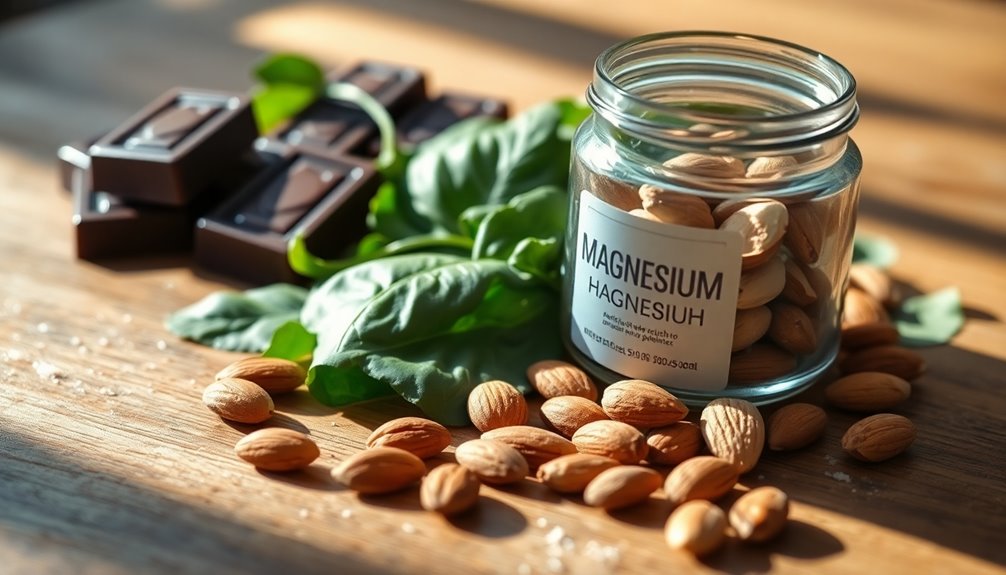
If you often experience headaches, it might be worth considering your magnesium levels.
A deficiency in this essential mineral can contribute to headache frequency and intensity.
Let’s explore the recommended dosage guidelines to help you incorporate magnesium effectively into your routine.
Magnesium Deficiency and Headaches
Magnesium plays an essential role in maintaining overall health, and its deficiency can greatly contribute to headaches and migraines.
If you’re experiencing frequent headaches, it’s vital to reflect on your magnesium levels. Here are some key points to help you understand magnesium’s impact:
- Magnesium Sources: Incorporate foods like leafy greens, nuts, seeds, and whole grains into your diet.
- Magnesium Absorption: Confirm your gut health is ideal, as it affects how well your body absorbs magnesium.
- Symptoms of Deficiency: Look out for muscle cramps, fatigue, and irritability, which can signal low magnesium levels.
- Supplementation: Consult with a healthcare professional about the right magnesium supplement for you.
Recommended Dosage Guidelines
How much magnesium should you consider taking to help alleviate headaches? For adults, a common dosage is between 200 to 600 mg per day, but dosage considerations can vary based on individual needs and health conditions.
It’s best to start at a lower dose and gradually increase it to assess tolerance. Supplement timing also plays an important role; taking magnesium in the evening may help with nighttime tension and promote relaxation.
If you’re using it to prevent migraines, consistency is key, so try to take it at the same time each day.
Always consult your healthcare provider before starting any new supplement regimen, especially if you’re on medications or have underlying health issues.
Riboflavin (Vitamin B2) and Its Benefits for Migraines
While many seek relief from the debilitating pain of migraines, riboflavin, also known as vitamin B2, has emerged as a promising option.
Studies suggest that riboflavin may reduce the frequency and intensity of migraines. To get the most benefits, consider the following:
Riboflavin may help lessen migraine frequency and intensity, making it a beneficial option for those seeking relief.
- Riboflavin sources: Include foods like eggs, dairy products, lean meats, and green leafy vegetables in your diet.
- Riboflavin dosage: The recommended daily intake is typically 400 mg for migraine prevention.
- Consistency: Take riboflavin regularly for at least three months to see significant results.
- Consultation: Always consult your healthcare provider before starting any new supplements, especially if you’re on medication.
Coenzyme Q10: How It May Alleviate Head Pain
Riboflavin isn’t the only supplement showing promise for migraine relief; coenzyme Q10 (CoQ10) also plays a significant role in alleviating head pain.
This powerful antioxidant may help you with migraine prevention by supporting mitochondrial function, which is essential for energy production in your brain cells.
Studies suggest that CoQ10 can reduce the frequency and intensity of migraines, offering notable coenzyme benefits.
By incorporating CoQ10 into your routine, you could experience fewer headaches and improved overall well-being.
It’s generally well-tolerated, making it an appealing option for those seeking natural relief.
If you’re struggling with occasional migraines, consider discussing CoQ10 with your healthcare provider to see if it’s right for you.
Butterbur Extract: A Natural Option for Headache Relief
Butterbur extract stands out as a promising natural option for headache relief. Many people find its potential to ease migraine symptoms appealing.
Here are some butterbur benefits you might consider:
- Reduces frequency: Studies suggest it may lower the number of migraines you experience.
- Alleviates pain: It can help reduce the severity of headache pain when it strikes.
- Natural alternative: If you prefer non-pharmaceutical options, butterbur is worth exploring.
- Safety profile: Generally well-tolerated, though it’s crucial to follow the proper butterbur dosage.
Always consult with a healthcare professional before starting any supplement, especially if you’re pregnant, nursing, or taking medications.
This way, you can confirm butterbur fits safely into your wellness routine.
Omega-3 Fatty Acids: Supporting Overall Brain Health
If you’re exploring natural remedies for migraines, don’t overlook the benefits of omega-3 fatty acids.
These essential fats play a vital role in supporting overall brain health and enhancing brain function. Omega-3s are known for their ability to reduce inflammation throughout the body, which can be particularly helpful for those prone to headaches and tension.
By incorporating foods rich in omega-3s, like fatty fish, flaxseeds, and walnuts, you can promote better brain health and potentially decrease the frequency of migraines.
Additionally, omega-3 fatty acids have been linked to improved mood and cognitive function, making them a valuable addition to your wellness routine.
Consider discussing omega-3 supplementation with your healthcare provider to find the right approach for you.
Conclusion
Just like a gardener tends to their plants, nurturing them with the right nutrients, you can cultivate your well-being by exploring dietary supplements for migraine and tension relief. Think of magnesium, riboflavin, and coenzyme Q10 as your garden’s essential fertilizers, promoting a healthier, brighter landscape in your mind. As you sow these seeds of wellness, watch as the clouds of discomfort begin to part, allowing sunshine and clarity to flourish in your life.