If you’re looking for mood support, consider discussing supplements like omega-3 fatty acids, magnesium, and probiotics with your therapist or doctor. These can enhance emotional well-being and support neurotransmitter function. Herbal options like saffron and 5-HTP may also help lift your spirits. Don’t overlook the benefits of ginkgo biloba for cognitive function. It’s crucial to tailor your supplement plan to your specific needs, so stay with us to learn more about personalized recommendations.
Understanding the Role of Supplements in Mood Support

While you might think of mood support as something that comes solely from therapy or lifestyle changes, supplements can play a significant role in enhancing your emotional well-being.
Various supplement types, such as omega-3 fatty acids, B vitamins, and herbal remedies like St. John’s Wort, may contribute to mood enhancement.
Supplements like omega-3s, B vitamins, and St. John’s Wort may enhance your mood and emotional well-being.
Omega-3s are known for their anti-inflammatory properties and can improve brain health. B vitamins support neurotransmitter function, while St. John’s Wort has been traditionally used to alleviate mild depression.
Incorporating these supplements into your routine, alongside professional guidance, can help you find a balanced approach to mood support.
Why Consult a Healthcare Professional Before Starting Supplements?

Before you start any mood support supplements, it’s essential to consult a healthcare professional.
They can help identify potential interactions with your current medications and consider your unique health needs.
This step guarantees you’re making safe choices for your well-being.
Potential Interactions With Medications
Because mood support supplements can interact with various medications, it’s essential to consult a healthcare professional before starting any new regimen.
These interactions can impact drug efficacy, making your prescribed treatments less effective or even harmful. Some supplements may increase or decrease how your body metabolizes medication, leading to unexpected side effects.
Ensuring medication safety is critical, especially if you’re already managing mood-related issues. A healthcare provider can help you navigate these risks, assess potential interactions, and tailor a plan that supports your mental health without compromising your medication’s effectiveness.
Don’t overlook the importance of this step—it’s fundamental for your overall well-being and peace of mind. Prioritize safety by discussing your supplement choices with a professional.
Individual Health Considerations
Consulting a healthcare professional before starting mood support supplements is essential, as individual health considerations can vary widely.
They can help you understand your personalized needs and guarantee you’re making safe choices. Here are three key reasons to consult them:
- Medical History: Your past health conditions might affect how supplements interact with your body.
- Current Medications: Some supplements can interfere with medications you’re already taking, leading to unwanted side effects.
- Nutritional Deficiencies: A professional can assess if you have any deficiencies that specific supplements can address, providing tailored recommendations.
Omega-3 Fatty Acids: The Mood-Boosting Powerhouse

Omega-3 fatty acids are more than just a buzzword in health circles; they’ve become essential for anyone looking to enhance their mood.
These powerful nutrients can be found in omega 3 sources like fatty fish, flaxseeds, and walnuts. Incorporating these foods into your diet can greatly impact your emotional well-being.
If you’re considering supplements, it’s important to discuss the appropriate omega 3 dosage with your doctor or therapist. Research suggests that a daily intake of 1,000 to 2,000 mg of omega-3 can help improve mood and reduce anxiety.
Magnesium: A Mineral for Stress Relief and Emotional Balance
While many people overlook magnesium, this essential mineral plays an important role in managing stress and promoting emotional balance.
By incorporating magnesium into your routine, you might experience several benefits, particularly for stress reduction. Here are three key magnesium benefits:
- Improved Sleep Quality: Magnesium helps relax your muscles and calm your mind, leading to better sleep, which is vital for emotional stability.
- Enhanced Mood Regulation: Adequate magnesium levels support neurotransmitter function, helping to keep your mood balanced.
- Reduced Anxiety Symptoms: Magnesium can lower cortisol levels, contributing to a decrease in feelings of anxiety and stress.
Consider discussing magnesium supplementation with your therapist or doctor to explore how it can support your overall emotional health.
Probiotics: The Gut-Brain Connection and Mood Regulation
Probiotics can play an essential role in your mood regulation, as they help maintain a healthy gut microbiome, which is closely linked to brain health.
The gut microbiome impact on your emotions is significant; a balanced gut can enhance neurotransmitter production, including serotonin, often referred to as the “feel-good” hormone.
A balanced gut microbiome significantly enhances neurotransmitter production, including serotonin, the “feel-good” hormone.
By incorporating probiotics into your daily routine, you might find that your emotional regulation strategies improve, leading to better stress management and mood stability. Foods like yogurt, kefir, and fermented vegetables can be great sources.
However, it’s vital to discuss with your doctor or therapist before starting any new supplement to guarantee it aligns with your overall wellness plan.
Your gut health can truly influence your emotional well-being.
Vitamin D: Sunshine in a Bottle for Mental Wellness
Vitamin D plays an essential role in boosting your mood and overall mental wellness.
You can get this vital vitamin from sunlight, certain foods, and supplements, but knowing the right dosage is key.
Research also shows a strong connection between vitamin D levels and mood disorders, making it an important factor to take into account for your mental health.
Benefits of Vitamin D
As you soak up the sun’s rays, your body produces an essential nutrient that plays a significant role in your mental wellness—vitamin D.
This “sunshine in a bottle” offers various benefits that can enhance your mood and overall health. Here are three key advantages:
- Mood Enhancement: Vitamin D can help combat seasonal affective disorder, lifting your spirits during darker months.
- Cognitive Function: Adequate levels of vitamin D support better cognitive function, keeping your mind sharp and focused.
- Sleep Quality: It plays a role in hormone regulation, which can lead to improved sleep quality, allowing you to feel more rested.
In addition, vitamin D offers immune support and inflammation reduction, making it a vital element for your mental wellness.
Sources and Dosage Recommendations
While getting enough vitamin D is crucial for your mood and overall health, knowing where to find it and how much you need can make all the difference.
You can boost your vitamin D levels through sunlight exposure, fatty fish like salmon, fortified dairy products, and supplements.
If you’re considering supplements, dosage recommendations typically suggest 600 to 800 IU daily for adults, but some may need more based on individual health needs or lifestyle factors.
It’s best to discuss your specific requirements with your doctor or therapist, as they can tailor advice to your situation.
Regular blood tests can also help monitor your levels and make certain you’re getting the right amount for ideal mood support.
Mood Disorders Connection
Research shows a strong connection between vitamin D levels and mood disorders, suggesting that this essential nutrient might serve as a crucial ally in mental wellness.
Incorporating vitamin D into your mood stability strategies can enhance your emotional resilience techniques. Here are three ways to harness its benefits:
- Sun Exposure: Aim for 15-30 minutes of sunlight daily, if possible.
- Dietary Sources: Include foods rich in vitamin D, like fatty fish, egg yolks, and fortified products.
- Supplementation: If sunlight and diet fall short, consider a vitamin D supplement after consulting with your doctor.
B Vitamins: Essential Nutrients for Brain Health
B vitamins play an essential role in maintaining ideal brain health and supporting your mood. These nutrients help produce neurotransmitters, which are critical for regulating emotions and maintaining mental clarity.
You can find B vitamins in various sources, such as leafy greens, whole grains, eggs, and dairy products. Each B vitamin has specific functions; for example, B6 aids in serotonin production, while B12 is fundamental for nerve health and energy levels.
Deficiencies can lead to mood swings and cognitive issues, so it’s important to guarantee you’re getting enough. Consider discussing your dietary intake and possible supplementation with your therapist or doctor to optimize your brain health and mood support.
Adaptogens: How Can Ashwagandha and Rhodiola Help?
When you’re feeling stressed or overwhelmed, adaptogens like ashwagandha and rhodiola can be game-changers.
Ashwagandha helps reduce anxiety and improve your mood, while rhodiola boosts energy and resilience against stress.
Benefits of Ashwagandha
Although stress is a common part of life, you can find relief through natural remedies like ashwagandha. This powerful adaptogen offers several ashwagandha benefits that can enhance your mood and overall well-being.
Here are three key advantages:
- Stress Reduction: Ashwagandha helps lower cortisol levels, promoting a sense of calm and balance.
- Improved Sleep Quality: By reducing anxiety, it can lead to better sleep, which is essential for mood stability.
- Enhanced Focus: It may improve cognitive function, helping you stay sharp and engaged throughout the day.
Incorporating ashwagandha into your routine could be a game-changer for managing stress and fostering emotional resilience.
Always consult your therapist or doctor before starting any new supplement.
Effects of Rhodiola
While ashwagandha is known for its stress-relieving properties, Rhodiola rosea also stands out as a potent adaptogen with unique effects on mood and mental clarity.
You’ll appreciate Rhodiola benefits, such as improved energy levels and reduced fatigue, which can enhance your overall emotional well-being. It may help alleviate symptoms of anxiety and depression, making it a valuable ally in your mood support toolkit.
For best results, consider a Rhodiola dosage of 200 to 400 mg daily, but always consult your therapist or doctor before starting.
L-Theanine: Finding Calm and Focus With This Amino Acid
How can one find calm and focus in a world full of distractions? L-Theanine, an amino acid commonly found in tea, might be the answer. It offers several l theanine benefits that can enhance your mental clarity and relaxation.
Discover how L-Theanine, an amino acid in tea, can help you achieve calm and focus amidst distractions.
Here are three key advantages you might consider:
- Promotes Relaxation: L-Theanine helps reduce stress and anxiety without causing drowsiness.
- Improves Focus: It can enhance attention and cognitive performance, making it easier to concentrate on tasks.
- Supports Sleep Quality: L-Theanine can help you achieve a restful night’s sleep, which is essential for overall mood support.
When discussing l theanine dosage, a typical range is 100-200 mg per day, but consult with your doctor to find what’s right for you.
St. John’s Wort: A Herbal Approach to Mild Depression
If you’re considering St. John’s Wort for mild depression, it’s important to understand how it can affect your mood.
While many people find it helpful, you should be aware of potential side effects and the risk of interactions with other medications.
Let’s explore how this herbal remedy works and what you need to keep in mind.
Efficacy in Mood Regulation
St. John’s Wort has gained attention for its potential in regulating mood, especially for those dealing with mild depression. When considering its efficacy, keep these key points in mind:
- Mood Stability: Research suggests that it may help improve mood stability by influencing serotonin levels, providing a natural alternative to conventional treatments.
- Supplement Timing: Taking St. John’s Wort consistently at the same time each day can enhance its effectiveness, ensuring you maintain steady levels in your system.
- Individual Response: Everyone’s body reacts differently; it’s important to monitor your progress and communicate with your therapist or doctor about any changes.
Discussing this herbal approach can lead to a more tailored mood support plan that fits your unique needs.
Potential Side Effects
While St. John’s Wort might seem like a natural solution for mild depression, it’s essential to maintain side effects awareness. Some users report gastrointestinal issues, fatigue, dizziness, and increased sensitivity to sunlight.
You should consider how these potential side effects could impact your daily life. Prioritizing supplement safety means discussing any plans to use St. John’s Wort with your therapist or doctor, especially if you’re taking other medications. This conversation helps guarantee you’re informed about possible interactions and how this supplement might affect your overall well-being.
Staying proactive about side effects can lead to a safer experience and better mood support. Always listen to your body and report any unusual changes to your healthcare provider promptly.
Drug Interactions Risks
Considering the potential for drug interactions, it’s essential to approach St. John’s Wort with caution. While it may help with mild depression, it can affect your medication safety considerably.
Here are three important drug interactions to keep in mind:
- Antidepressants: Combining St. John’s Wort with SSRIs or other antidepressants can lead to serotonin syndrome, a potentially life-threatening condition.
- Blood Thinners: It may reduce the effectiveness of medications like warfarin, increasing your risk of blood clots.
- Birth Control: St. John’s Wort can make hormonal contraceptives less effective, raising the chances of unintended pregnancy.
Always consult your doctor or therapist before adding St. John’s Wort to your regimen to enhance your mood safely.
Saffron: The Spice That May Lift Your Spirits
If you’re searching for a natural way to boost your mood, saffron might be the spice you need. Known for its vibrant color and unique flavor, saffron offers impressive mood enhancement benefits.
Research suggests that saffron can help reduce symptoms of mild to moderate depression and anxiety. Its active compounds, like crocin and safranal, may influence neurotransmitters in the brain, promoting a sense of well-being.
Incorporating saffron into your diet—whether in dishes or as a supplement—can be a simple yet effective way to support your mental health. However, it’s crucial to discuss any new supplement with your therapist or doctor to confirm it’s right for you.
With the potential of saffron, you could find a little extra light in your day.
5-HTP: The Precursor to Serotonin and Its Effects
As you explore options for enhancing your mood, 5-Hydroxytryptophan (5-HTP) emerges as a promising supplement due to its role as a precursor to serotonin, the neurotransmitter often referred to as the “feel-good” chemical.
Here are some key 5-HTP benefits you should consider:
- Mood Enhancement: It may help elevate your mood and reduce feelings of anxiety.
- Serotonin Synthesis: By boosting serotonin levels, 5-HTP can potentially improve your overall emotional well-being.
- Dosage Guidelines: Typical dosages range from 50 to 300 mg per day, but it’s essential to consult your healthcare provider for personalized advice.
Incorporating 5-HTP into your routine could support your journey toward better mental health.
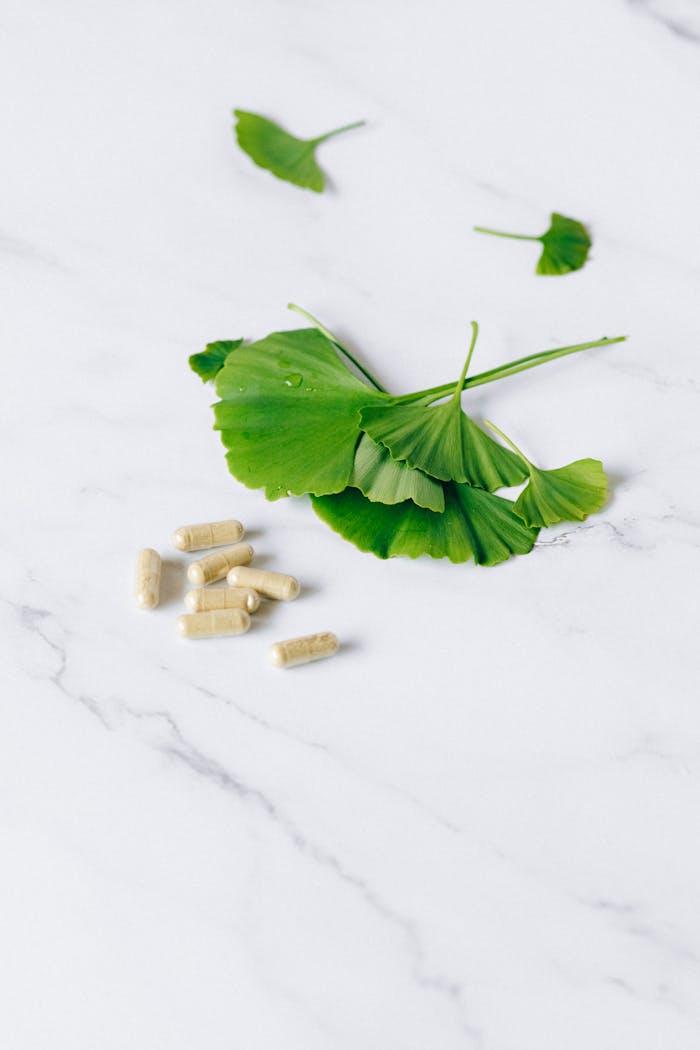
Ginkgo Biloba: Could This Herb Enhance Your Mood?
Have you ever wondered if Ginkgo Biloba could be the key to boosting your mood? This ancient herbal remedy is often praised for its potential ginkgo benefits, particularly in enhancing cognitive function and circulation.
Some studies suggest that Ginkgo Biloba may also have a positive effect on your emotional well-being. By improving blood flow to the brain, it could help alleviate symptoms of anxiety and depression, contributing to an overall herbal mood enhancement.
While it’s not a guaranteed solution, incorporating Ginkgo Biloba into your routine might provide some benefits. Just remember, it’s important to discuss this supplement with your therapist or doctor to confirm it aligns with your personal health needs and goals.
Personalized Supplement Plans: Tailoring Recommendations to Your Needs
Creating a personalized supplement plan can greatly enhance your mood support journey. By focusing on your unique needs, you can receive tailored recommendations that truly resonate with you. Here’s how to get started:
Crafting a personalized supplement plan can significantly boost your mood by addressing your specific needs.
- Consult Professionals: Engage with your therapist or doctor for personalized assessments. They’ll help identify any deficiencies or specific needs.
- Evaluate Your Lifestyle: Consider your diet, exercise, and stress levels. These factors can influence what supplements might work best for you.
- Monitor Progress: Regularly check in with your health professional to adjust your plan based on how you feel and respond to the supplements.
With these steps, you’re on your way to a personalized supplement plan that supports your mood effectively.
Conclusion
Incorporating supplements for mood support can be a game changer, but it’s essential to consult your therapist or doctor first. You might worry that supplements alone won’t solve your mood challenges, and that’s true! Think of them as a helpful addition to your overall wellness plan, not a magic fix. By working together with a professional, you can create a personalized approach that fits your unique needs, helping you feel better both mentally and emotionally.