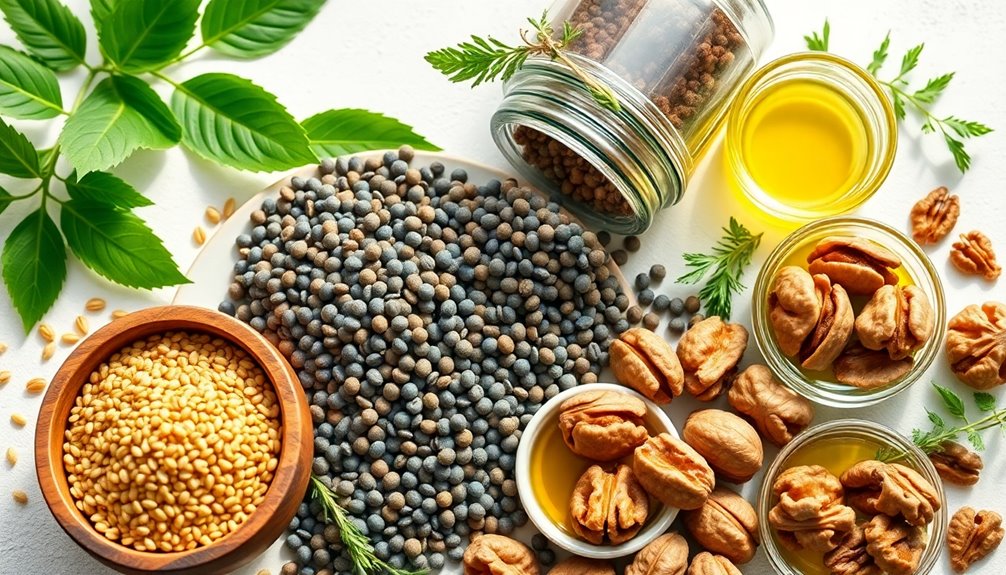
If you’re looking for the best vegan omega-3 alternatives to fish oil, you can’t go wrong with flaxseeds, chia seeds, walnuts, and algal oil. These plant-based options are packed with essential nutrients that support heart health and reduce inflammation. Flaxseeds and chia seeds offer high ALA content, while walnuts provide healthy fats and antioxidants. Algal oil is a sustainable source of EPA and DHA. Want to know how to incorporate these into your diet? Keep exploring!
Why Omega-3s Are Essential for Your Health
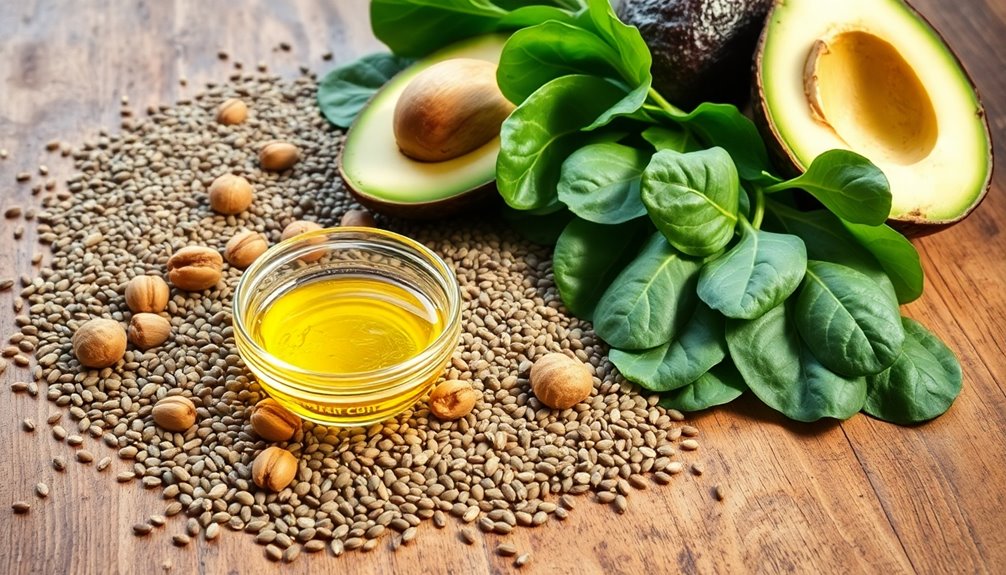
Omega-3 fatty acids are essential for your overall health, as they play a significant role in brain function and heart health. Incorporating omega-3s into your diet can provide numerous health benefits, including reducing inflammation, improving mood, and supporting cognitive performance.
If you’re looking for omega-3 sources beyond fish oil, consider plant-based options like flaxseeds, chia seeds, walnuts, and algae oil. These alternatives are rich in alpha-linolenic acid (ALA), a type of omega-3 that your body can convert into the beneficial EPA and DHA forms.
What Are the Limitations of Fish Oil Supplements?
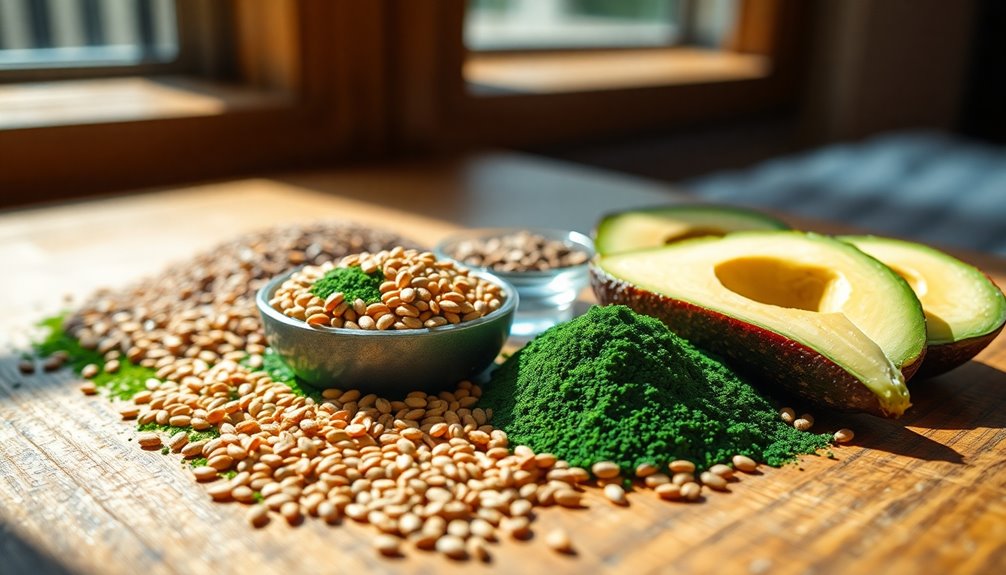
When considering fish oil supplements, you might want to think about the ethical concerns surrounding fishing practices.
Additionally, there’s the risk of contaminants like heavy metals and toxins found in some fish.
These factors can complicate your decision to use fish oil as a source of omega-3s.
Ethical Concerns With Fishing
While many people turn to fish oil supplements for their health benefits, ethical concerns surrounding fishing practices raise important questions. You might want to reflect on how your choice affects the environment and marine life.
Sustainable fishing aims to minimize harm, but not all fish oil sources adhere to these practices. Here are some ethical concerns to think about:
- Overfishing depletes fish populations.
- Bycatch can harm non-target species.
- Destruction of marine habitats occurs through unsustainable methods.
- Fishing communities often face economic challenges.
- Ethical consumption promotes awareness and responsible choices.
Potential Contaminants In Fish
Despite the health benefits often associated with fish oil supplements, potential contaminants in fish raise significant concerns.
You mightn’t realize that fish can harbor PCB contamination, mercury exposure, and other heavy metals, which pose health risks. These environmental toxins accumulate in the aquatic ecosystem, affecting not just fish but also those who consume them.
Sustainability concerns arise with overfishing impacts and the practices of fish farming, where the conditions can lead to heightened contaminant levels.
You may find that relying on fish oil supplements can expose you to these hazards. By choosing vegan omega-3 alternatives, you can bypass these potential risks while still supporting your health and promoting a more sustainable approach to nutrition.
Exploring Plant-Based Sources of Omega-3s
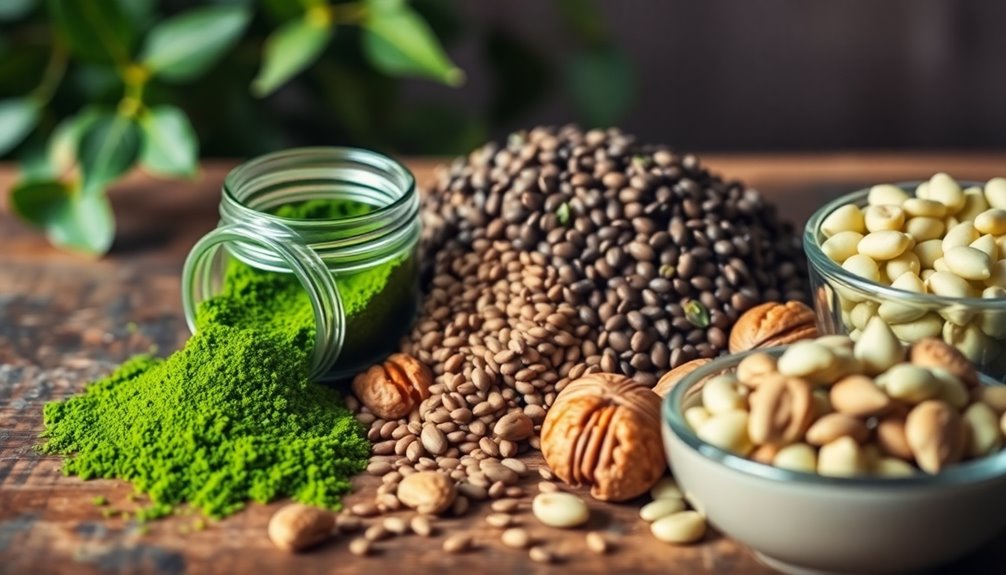
If you’re looking for plant-based sources of Omega-3s, you’ve got some great options.
Flaxseed and chia seeds pack a powerful nutrient punch, while algal oil stands out as a sustainable choice.
Let’s explore how these alternatives can benefit your health and the environment.
Flaxseed: Nutrient Powerhouse
Flaxseed stands out as a nutrient powerhouse, packed with essential omega-3 fatty acids that are crucial for your health. Incorporating flaxseed into your diet offers numerous flaxseed benefits, such as improving heart health and reducing inflammation.
Plus, it’s incredibly versatile, making it easy to include in various meals.
Here are some simple ways to enjoy flaxseed:
- Add ground flaxseed to your morning smoothie
- Sprinkle it on oatmeal or yogurt
- Use it as an egg substitute in baking
- Mix it into homemade energy bars
- Incorporate it into salad dressings
With these flaxseed recipes, you can elevate your meals while reaping the health benefits of these tiny seeds. Start experimenting with flaxseed today!
Chia Seeds: Omega-3 Boost
After exploring the benefits of flaxseed, it’s time to turn our attention to another fantastic source of plant-based omega-3s: chia seeds.
These tiny seeds pack a powerful punch, offering a rich supply of alpha-linolenic acid (ALA), a type of omega-3.
Chia seed benefits extend beyond omega-3s, as they’re also high in fiber, protein, and antioxidants, making them an excellent addition to your diet.
You can easily incorporate chia seeds into smoothies, oatmeal, or baked goods.
Just a couple of tablespoons can provide you with a significant dose of omega-3s.
Algal Oil: Sustainable Choice
While many are familiar with fish oil as a source of omega-3s, algal oil emerges as a sustainable and plant-based alternative that shouldn’t be overlooked.
This oil, derived from algae, offers impressive algal benefits while supporting sustainability practices. By choosing algal oil, you’re not just nourishing your body; you’re also making an eco-friendly choice.
- Rich in EPA and DHA omega-3s
- Free from ocean pollutants
- No overfishing concerns
- Supports marine ecosystem health
- Vegan-friendly and easy to digest
Incorporating algal oil into your diet can help you meet your omega-3 needs without compromising your values.
Flaxseeds: A Powerhouse of Omega-3 Fatty Acids
Packed with nutrients, flaxseeds offer an excellent plant-based source of omega-3 fatty acids.
These tiny seeds aren’t just versatile; they provide numerous flaxseed benefits, including promoting heart health and reducing inflammation.
You can easily incorporate them into your diet with various flaxseed recipes. Try adding ground flaxseeds to smoothies, oatmeal, or baked goods for a nutritious boost.
They’re also a fantastic egg substitute—just mix one tablespoon of ground flaxseed with three tablespoons of water to replace one egg in baking.
With their nutty flavor and health benefits, flaxseeds are a simple yet powerful addition to your vegan lifestyle.
Don’t miss out on this nutrient powerhouse for your omega-3 needs!
Chia Seeds: Tiny Seeds With Big Benefits for Omega-3s
Chia seeds may be small, but they pack a powerful punch when it comes to omega-3 fatty acids. These tiny seeds are a fantastic vegan alternative to fish oil, providing numerous health benefits that you won’t want to miss.
Chia seeds are a mighty source of omega-3s, serving as a perfect vegan substitute for fish oil.
By incorporating chia seeds into your diet, you can enjoy:
- High omega-3 content, promoting heart health
- Rich source of fiber, aiding digestion
- Antioxidants that fight inflammation
- Protein for muscle repair and growth
- Versatility in recipes like smoothies, puddings, and baked goods
Adding chia seeds to your meals is an easy way to boost your omega-3 intake.
Walnuts: Delicious and Nutritious Omega-3 Boosters
Walnuts are a tasty way to boost your omega-3 intake while enjoying a variety of health benefits. Packed with essential nutrients, they can easily fit into your diet with simple recipes.
Let’s explore their nutritional profile, some easy ways to incorporate them into meals, and the health advantages they offer.
Nutritional Profile Overview
Although many people associate omega-3 fatty acids primarily with fish, walnuts offer a delicious and plant-based alternative that shouldn’t be overlooked.
These nuts are packed with nutritional benefits, making them one of the best omega 3 sources for vegans. When you incorporate walnuts into your diet, you’ll enjoy:
- High levels of alpha-linolenic acid (ALA), a type of omega-3
- Antioxidants that help combat oxidative stress
- Healthy fats that support heart health
- Protein and fiber, promoting satiety
- Essential vitamins and minerals like vitamin E and magnesium
Simple Recipe Ideas
If you’re looking to boost your omega-3 intake with something delicious and easy to prepare, walnuts can be a fantastic addition to your meals.
You can toss them into your vegan smoothies for a creamy texture or mix them with seeds for a nutritious snack idea. Use chopped walnuts in salad dressings for added crunch or blend them into energy bars for a satisfying treat.
They’re perfect in breakfast bowls, adding a wholesome touch to your morning routine. For meal prep, sprinkle walnuts in seed mixes for a quick grab-and-go option.
Don’t forget to experiment with baking recipes, incorporating walnuts into muffins or cookies for a delightful omega-3 boost. Enjoy these simple ideas to enhance your meals!
Health Benefits Explained
Incorporating walnuts into your meals not only adds flavor but also brings a wealth of health benefits.
These delightful nuts are packed with omega-3 fatty acids, which can greatly enhance your overall well-being.
Here’s how walnuts can positively impact your health:
- Support heart health by lowering cholesterol levels
- Boost brain function and cognitive performance
- Reduce inflammation in the body
- Aid in weight management by promoting satiety
- Improve skin health with their rich antioxidant content
Algal Oil: The Sustainable Omega-3 Alternative
Algal oil is quickly gaining recognition as a sustainable alternative to traditional omega-3 sources like fish oil. It’s derived from algae, making it a plant-based option that doesn’t contribute to overfishing or habitat destruction.
By choosing algal oil, you’re supporting sustainable harvesting practices that protect marine ecosystems. The benefits of algal oil are numerous; it’s rich in EPA and DHA, essential fatty acids that promote heart health and improve brain function.
Plus, it’s free from the contaminants often found in fish oil, such as heavy metals and toxins. Incorporating algal oil into your diet can enhance your omega-3 intake while aligning with your values of sustainability and health.
Hemp Seeds: A Nutty Source of Omega-3 Fatty Acids
While many people seek plant-based sources of omega-3 fatty acids, hemp seeds stand out as a delicious and nutritious option. Packed with essential nutrients, hemp seeds offer a unique nutty flavor that enhances various dishes.
Incorporating them into your diet is easy and rewarding. Here are some benefits of hemp nutrition:
- Rich in omega-3 and omega-6 fatty acids
- High in protein and fiber
- Contains essential vitamins and minerals
- Supports heart health and reduces inflammation
- Versatile for various hemp recipes, from smoothies to salads
Try adding hemp seeds to your meals for a tasty boost.
Whether you sprinkle them on oatmeal or blend them into your favorite smoothie, you’re sure to enjoy their health benefits!
Seaweed: Nature’s Rich Source of Omega-3s
Seaweed is an incredible plant-based source of omega-3 fatty acids that’s often overlooked. With various seaweed varieties like spirulina, chlorella, and dulse, you can easily add these nutrient powerhouses to your diet.
Not only do they provide essential omega-3s, but they also come packed with vitamins, minerals, and antioxidants, enhancing your overall nutritional benefits. Seaweed is low in calories and can support heart health, brain function, and even skin health.
You’ll love how versatile it is—whether you toss it in salads, soups, or snacks. By incorporating seaweed into your meals, you’re not just boosting your omega-3 intake; you’re also embracing a sustainable and healthy food choice that benefits both you and the planet.
How to Incorporate Vegan Omega-3s Into Your Diet
To boost your intake of vegan omega-3s, start by incorporating a variety of nutrient-rich foods into your meals.
Boost your vegan omega-3 intake by incorporating a variety of nutrient-rich foods into your meals.
Meal planning can make this easier, allowing you to strategically include these ingredients.
Here are some simple recipe swaps to contemplate:
- Add chia seeds to your smoothies or oatmeal.
- Use ground flaxseeds in baking, like muffins or pancakes.
- Sprinkle hemp seeds on salads or grain bowls.
- Incorporate algae oil into salad dressings for a healthy fat boost.
- Snack on walnuts or blend them into a creamy dip.
Comparing Omega-3 Sources: Which Is Best for You?
When it comes to choosing the best omega-3 source for your diet, what factors should you consider? First, think about the omega-3 benefits you’re seeking, such as improved heart health and reduced inflammation.
If you’re looking for vegan sources, consider algae oil, flaxseeds, or chia seeds. Algae oil is particularly effective, as it contains DHA and EPA, the same types found in fish oil.
Flaxseeds and chia seeds are rich in ALA, which your body can convert to DHA and EPA, but this process isn’t very efficient.
Evaluate your dietary needs and preferences, and remember that combining different vegan sources can help you achieve a well-rounded intake of omega-3s.
Ultimately, the best choice depends on your lifestyle and health goals.
The Role of Omega-3s in Vegan Diets and Health
While many people associate omega-3 fatty acids primarily with fish, they play an essential role in vegan diets and overall health.
Incorporating omega-3s into your vegan nutrition can provide numerous health benefits, supporting your well-being and vigor.
Here are some key reasons to prioritize omega-3s:
- Promote heart health by reducing inflammation
- Support brain function and cognitive health
- Enhance skin health and hydration
- Aid in eye health and vision preservation
- Contribute to mental health and mood regulation
Tips for Choosing the Right Vegan Omega-3 Supplement
How can you guarantee you’re selecting the best vegan omega-3 supplement for your needs?
Start by researching various vegan supplement options, such as algae oil, chia seeds, and flaxseed oil. Check for third-party testing to verify quality and potency.
Research different vegan omega-3 sources like algae oil, chia seeds, and flaxseed oil, and ensure they undergo third-party testing for quality.
Look for supplements that list both EPA and DHA on the label, as these are the essential fatty acids you’re after. Don’t forget to take into account dosage recommendations; they can vary widely. A general guideline is to aim for at least 250-500 mg of combined EPA and DHA daily.
Finally, pay attention to the form—softgels or liquids—whichever suits your preference.
Conclusion
Incorporating vegan omega-3 alternatives into your diet is like adding vibrant colors to a blank canvas; it enhances your health and well-being. By choosing sources like flaxseeds and chia seeds, you not only nourish your body but also embrace a sustainable lifestyle. Don’t shy away from exploring these plant-based options, as they can provide the essential nutrients you need. So, immerse yourself in the world of vegan omega-3s and paint your health with the richness it deserves!