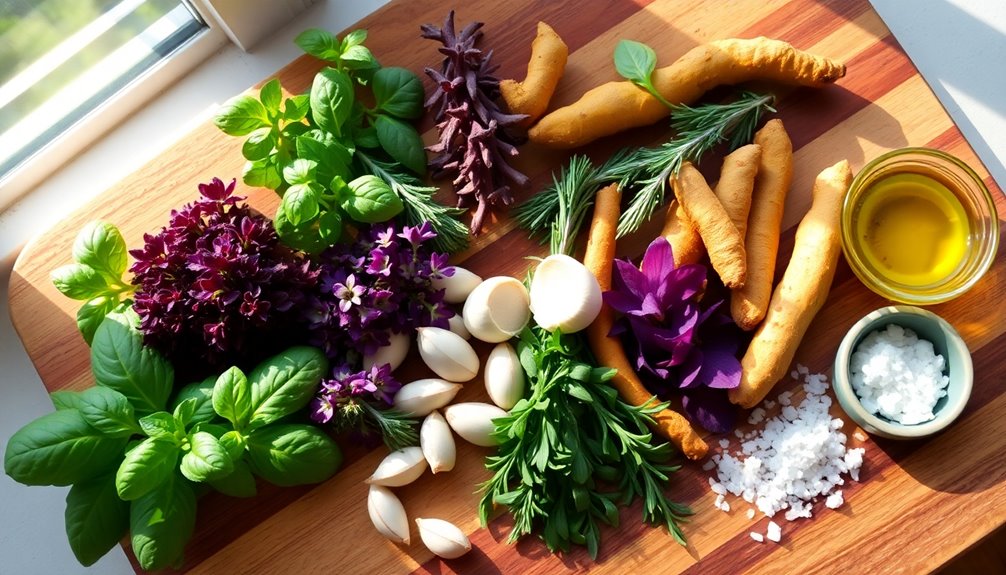
If you’re looking to reduce inflammation, adding herbs like turmeric and ginger to your meals is key. Turmeric contains curcumin, which effectively lowers inflammatory markers, while ginger helps alleviate pain and improve digestion. Sprinkle fresh herbs like basil or parsley on salads, or blend turmeric into smoothies for an easy boost. Explore creative ways to incorporate these herbs into your diet, and you’ll find even more beneficial options waiting for you.
Understanding Inflammation and Its Impact on Health
While you mightn’t think about it daily, inflammation plays an essential role in your overall health. Your body’s immune response kicks in when it detects injury or infection, leading to acute inflammation, which helps you heal.
However, when this process becomes chronic inflammation, it can lead to serious health issues. This persistent state can contribute to conditions like heart disease, diabetes, and arthritis, affecting your quality of life.
You mightn’t even notice it happening, but chronic inflammation can quietly wreak havoc on your body. Recognizing the signs and understanding how inflammation impacts your health is vital.
The Basics of an Anti-Inflammatory Diet
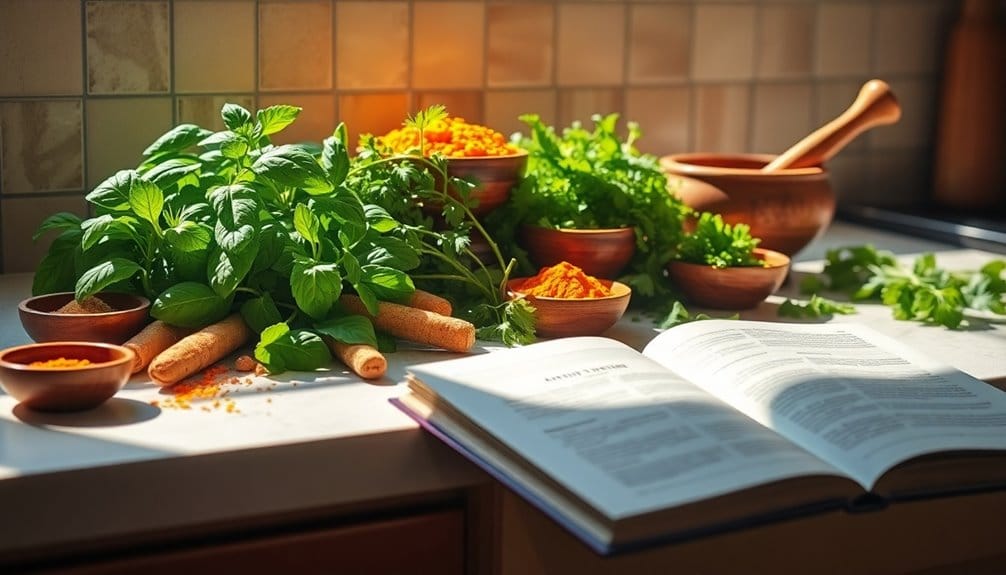
An anti-inflammatory diet focuses on incorporating foods that help reduce inflammation in your body, promoting better health and well-being.
To get started, you’ll want to prioritize whole, nutrient-dense foods like fruits, vegetables, whole grains, lean proteins, and healthy fats. Meal planning is essential here; it allows you to select ingredients that align with dietary guidelines, ensuring you’re consistently eating anti-inflammatory foods.
Avoid processed foods, refined sugars, and trans fats, as they can exacerbate inflammation. Instead, aim for a colorful plate filled with antioxidants, which can help combat oxidative stress.
Top Herbs for Reducing Inflammation: A Closer Look
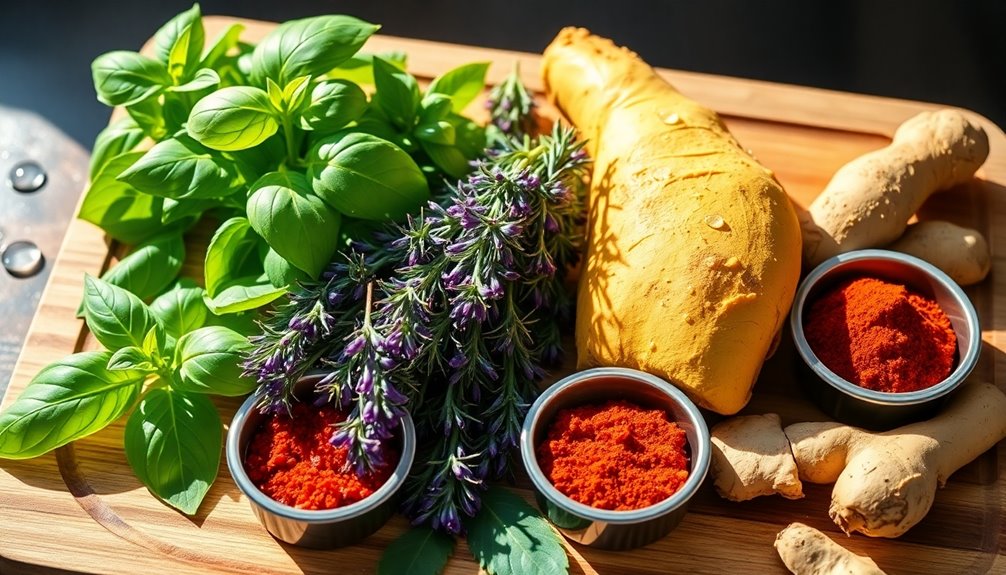
When you think about fighting inflammation, turmeric and ginger should be at the top of your list.
Turmeric’s powerful benefits come from curcumin, its active compound, while ginger offers impressive anti-inflammatory properties.
Let’s take a closer look at how these herbs can enhance your health.
Turmeric’s Powerful Benefits
Turmeric stands out as one of the most potent herbs for combating inflammation, thanks to its active compound, curcumin. Incorporating turmeric into your diet can offer several notable benefits that enhance your overall well-being.
Here are three powerful turmeric benefits you shouldn’t overlook:
- Reduces Inflammation: Curcumin effectively lowers inflammatory markers in the body, helping alleviate chronic pain and swelling.
- Boosts Immunity: Its antioxidant properties strengthen your immune system, making you less susceptible to illness.
- Enhances Digestion: Turmeric aids in digestion, supporting a healthy gut and reducing bloating.
You can enjoy turmeric benefits through delicious turmeric recipes, like golden milk or spiced quinoa, making your meals both healthy and flavorful!
Ginger’s Anti-Inflammatory Properties
Ginger, often revered for its culinary and medicinal uses, boasts powerful anti-inflammatory properties that can greatly benefit your health. Its active compounds, particularly gingerol, reduce inflammation and help alleviate pain associated with conditions like arthritis.
By incorporating ginger into your diet, you not only enjoy its zesty flavor but also harness its impressive ginger benefits. Try adding fresh ginger to smoothies, stir-fries, or teas for a delightful kick.
You can also explore various ginger recipes, like ginger-infused soups or marinades, to enhance your meals while fighting inflammation.
How to Incorporate Anti-Inflammatory Herbs Into Your Meals
While it might seem intimidating to add anti-inflammatory herbs to your meals, doing so can be both simple and delicious. Here are three effective ways to incorporate these flavorful meal enhancements into your cooking:
Adding anti-inflammatory herbs to your meals can be easy and tasty with just a few simple techniques.
- Sprinkle Fresh Herbs: Add chopped basil, cilantro, or parsley to salads and soups for a fresh burst of flavor.
- Infuse Oils and Dressings: Create a salad dressing with olive oil, garlic, and rosemary. It’s a great way to introduce flavor pairings that support your health.
- Blend into Smoothies: Toss in a teaspoon of turmeric or ginger into your morning smoothie for an easy anti-inflammatory boost.
Unique Health Benefits of Popular Anti-Inflammatory Herbs
When you explore the world of anti-inflammatory herbs, you’ll uncover a treasure trove of unique health benefits that can enhance your well-being.
For instance, turmeric isn’t just a vibrant spice; its active compound, curcumin, boasts powerful anti-inflammatory effects. Ginger, with its warming properties, aids digestion and alleviates nausea while promoting circulation. Garlic enhances immune function and offers cardiovascular support.
When you combine these herbs in your meals, you’re tapping into herbal synergy, amplifying their benefits. You can easily incorporate them into your culinary applications, whether in soups, stews, or marinades.
Each herb adds not only flavor but also a wealth of nutrients that can help combat inflammation, making your meals both delicious and health-promoting.
Herbal Teas and Infusions: A Delicious Way to Fight Inflammation
Herbal teas aren’t just soothing; they pack a punch against inflammation. By brewing specific herbs known for their anti-inflammatory properties, you can enjoy a tasty way to boost your health.
Let’s explore the benefits of these herbal infusions and highlight some popular options you can easily incorporate into your routine.
Benefits Of Herbal Teas
Tea lovers, if you’re looking for a tasty way to combat inflammation, herbal teas and infusions offer a delightful solution. Not only do they provide a comforting experience, but they also pack numerous herbal tea benefits that can support your health.
Here are three key advantages of incorporating these soothing infusions into your routine:
- Anti-Inflammatory Properties: Many herbal teas contain compounds that help reduce inflammation in the body.
- Rich in Antioxidants: These beverages are loaded with antioxidants, which can protect your cells from damage.
- Hydration Boost: Staying hydrated is essential for overall health, and herbal teas can contribute to your daily fluid intake.
Enjoy sipping on these delicious brews while reaping their health benefits!
Popular Anti-Inflammatory Herbs
If you’re enthusiastic to enhance your anti-inflammatory journey, exploring popular herbs can be a game changer.
Turmeric, known for its active compound curcumin, boasts potent anti-inflammatory properties. Ginger’s warming spice not only adds flavor but also reduces inflammation effectively.
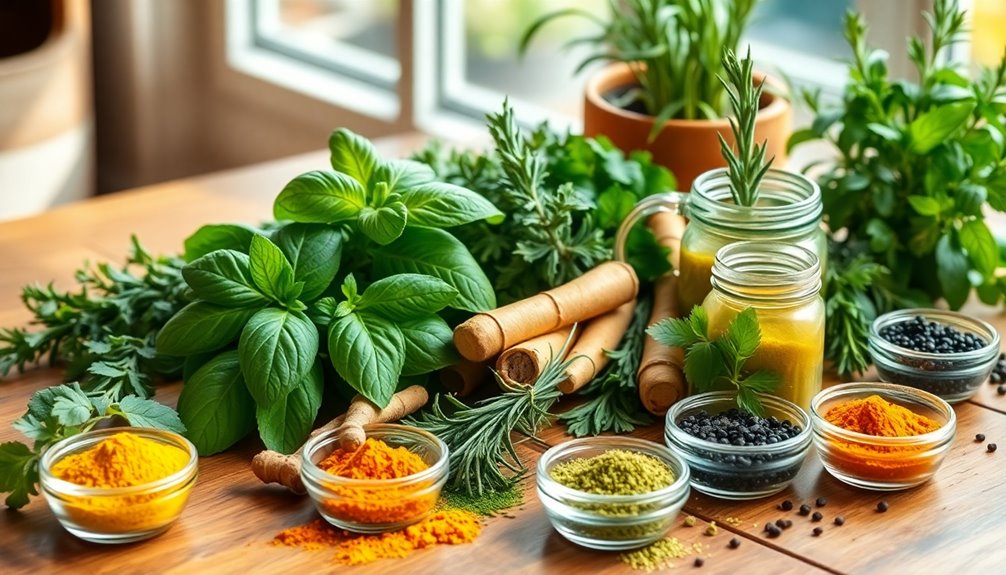
Basil and rosemary, often used in herb gardening, bring freshness and antioxidants to your dishes. You can incorporate these herbs into your cooking techniques, whether through teas, infusions, or as seasoning in meals.
Simply steep fresh ginger or turmeric in hot water for a soothing tea, or toss basil into salads for a zesty twist.
Tips for Sourcing High-Quality Herbs for Your Diet
When you’re looking to enhance your anti-inflammatory diet, sourcing high-quality herbs can make all the difference. Effective sourcing techniques will help you identify the best options.
Here are three quality indicators to evaluate:
- Color and Aroma: Fresh herbs should have vibrant colors and a strong, pleasant aroma. Dull colors may indicate aging or poor quality.
- Packaging: Opt for herbs in airtight containers. This helps preserve freshness and potency.
- Origin: Seek herbs from reputable sources that prioritize organic farming practices. Local farmers’ markets often offer high-quality, fresh options.
Conclusion
Embracing an anti-inflammatory diet can be a game-changer for your health, and incorporating herbs is an effortless way to boost your meals. You might think it’s too complicated or time-consuming, but even small changes—like adding turmeric to your smoothie or brewing ginger tea—can make a significant difference. By choosing high-quality herbs and experimenting with flavors, you’ll not only enhance your dishes but also support your body in fighting inflammation. Start today, and feel the benefits!