
Melatonin alternatives can indeed help you stay asleep all night by addressing the root causes of sleep disturbances. Herbal remedies like valerian root, chamomile, and passionflower may promote relaxation and reduce anxiety, while good sleep hygiene practices also play an essential role. Incorporating mindfulness or meditation can further enhance your ability to drift into restful sleep. If you’re curious about specific herbs and techniques that could work for you, there’s more to explore to improve your sleep quality.
Understanding Melatonin and Its Role in Sleep

Melatonin, often called the “sleep hormone,” plays an essential role in regulating your sleep-wake cycle. This hormone is produced by your pineal gland in response to darkness, signaling your body that it’s time to sleep.
Its primary melatonin functions include promoting drowsiness and lowering body temperature, which helps you fall asleep faster. As night falls, melatonin levels rise, enhancing sleep regulation and making you feel more relaxed.
When morning comes, sunlight decreases melatonin production, nudging you awake. Understanding these natural rhythms can help you appreciate how vital melatonin is for restful sleep.
Why Some People Seek Melatonin Alternatives
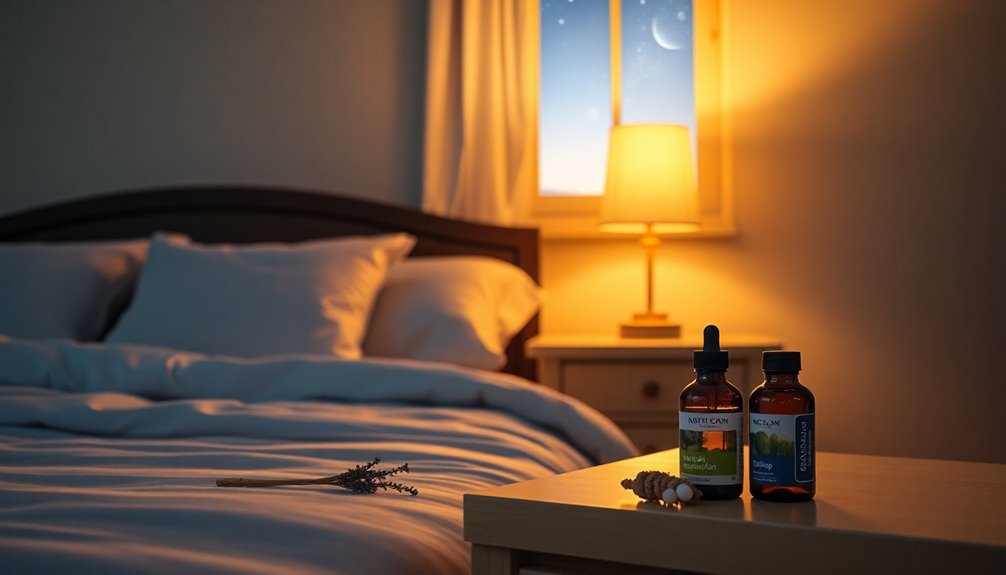
As you explore options for better sleep, you might wonder why some people turn to alternatives instead of relying on melatonin supplements. For many, melatonin isn’t the magic solution they hoped for. They experience sleep disturbances that melatonin fails to address effectively.
Additionally, lifestyle factors play a significant role in sleep quality. Stress, irregular schedules, and excessive screen time can disrupt your circadian rhythm, making melatonin less effective. Some individuals also report side effects from melatonin, prompting them to seek natural alternatives that align better with their bodies.
Herbal Remedies for Better Sleep: What Works?

Finding effective alternatives to melatonin often leads people to explore herbal remedies for sleep. Many turn to natural sedatives like valerian root, chamomile, and passionflower, which have been used for centuries to promote relaxation and improve sleep quality.
Valerian root, in particular, is popular for its calming effects, while chamomile tea can be a soothing bedtime ritual. Additionally, passionflower may help reduce anxiety, making it easier for you to drift off.
It’s crucial to remember that individual results can vary, so you might need to try a few options to see what works best for your herbal sleep routine. Always consult with a healthcare professional before starting any new supplement to verify it’s safe for you.
The Science Behind Valerian Root and Sleep
While many people seek natural solutions for sleep, valerian root stands out due to its long history and scientific backing. This herbal remedy has been used for centuries to promote relaxation and improve sleep quality.
Research shows that valerian root may enhance sleep effects by increasing levels of gamma-aminobutyric acid (GABA), a neurotransmitter that calms the brain. Many users report falling asleep faster and enjoying deeper sleep when taking valerian root.
However, individual results can vary, and it’s crucial to find the right dosage for you. If you’re considering valerian root, consult with a healthcare professional to ascertain it’s appropriate for your needs.
With the right approach, valerian root could become a valuable part of your sleep routine.
Chamomile Tea: A Gentle Sleep Aid?
If you’re looking for a calming way to wind down before bed, chamomile tea might be just what you need. This herbal infusion is renowned for its chamomile benefits, particularly its ability to promote relaxation.
The calming effects of chamomile can help you unwind after a long day, making it easier to drift off to sleep. By sipping a warm cup in the evening, you might find that your mind quiets and your body relaxes, creating the perfect environment for sleep.
Plus, it’s caffeine-free, so you won’t have to worry about it keeping you awake. Incorporating chamomile tea into your bedtime routine could be a simple yet effective strategy for enhancing your sleep quality and staying asleep through the night.
Exploring the Benefits of Lavender for Sleep Quality
Lavender’s soothing scent can work wonders for your sleep quality.
Whether you’re using lavender essential oils or sipping on lavender tea, it can help you unwind and promote relaxation.
Let’s explore how this calming herb can improve your nighttime routine.
Aromatherapy and Relaxation Benefits
When you’re searching for a natural way to enhance your sleep quality, aromatherapy with lavender often stands out as an effective option.
Using essential oils, particularly lavender, creates calming scents that can transform your bedtime routine. You can incorporate these soothing aromas into your sleep rituals through diffuser blends or by lighting scented candles before bed.
Exploring various aromatherapy techniques, like inhaling herbal infusions or using massage oils, can further promote relaxation. These relaxation methods not only help you unwind but also signal to your body that it’s time to sleep.
Lavender Tea for Sleep
A warm cup of lavender tea can be a soothing addition to your nighttime routine, helping to promote relaxation and improve sleep quality.
Lavender benefits extend beyond its pleasant aroma; its calming properties can ease anxiety and stress, making it easier for you to drift off to sleep.
To prepare lavender tea, follow these steps:
- Choose Quality Lavender: Opt for dried lavender buds for the best flavor and benefits.
- Brew: Steep 1-2 teaspoons of lavender buds in boiling water for about 5-10 minutes.
- Strain and Enjoy: Strain the tea and add honey or lemon if desired for extra flavor.
Incorporating lavender tea into your evening routine can enhance relaxation and help you stay asleep all night.
Essential Oil Usage Tips
Many people find that incorporating lavender essential oil into their nighttime routine can considerably enhance sleep quality. You can use lavender in various ways, but one of the most effective methods is through diffuser techniques.
Try adding a few drops of lavender essential oil to your diffuser about 30 minutes before bedtime. This creates a calming atmosphere that signals your body it’s time to wind down.
Alternatively, you can create essential oil blends by mixing lavender with other calming oils like chamomile or bergamot. Apply these blends to your pulse points or add them to a warm bath for an extra touch of relaxation.
Lifestyle Changes to Improve Sleep Patterns
Although you may rely on supplements like melatonin to help you sleep, making certain lifestyle changes can greatly enhance your sleep patterns.
Relying on melatonin may help, but lifestyle changes can significantly improve your sleep quality.
By focusing on your sleep environment and establishing a consistent bedtime routine, you can meaningfully improve your chances of a restful night.
Here are three changes to contemplate:
- Create a Comfortable Sleep Environment: Keep your bedroom dark, quiet, and cool to promote better sleep. Consider blackout curtains or white noise machines if needed.
- Stick to a Consistent Bedtime Routine: Aim for the same sleep and wake times each day, even on weekends. This helps regulate your body’s internal clock.
- Limit Screen Time Before Bed: Reduce exposure to screens at least an hour before sleeping to help your mind unwind.
The Role of Sleep Hygiene in Getting Restful Sleep
When you prioritize sleep hygiene, you create an environment that fosters restful sleep and enhances overall well-being.
Establish consistent sleep routines and stick to regular sleep schedules to regulate your body’s internal clock. Make sure your bedroom environment is conducive to sleep by investing in comfortable bedding and minimizing noise and light exposure.
Consider implementing evening rituals, like reading or taking a warm bath, to signal your body it’s time to wind down. A digital detox in the hour before bed can also help reduce blue light exposure, making it easier to relax.
Incorporate relaxation techniques, such as deep breathing or gentle stretching, to calm your mind and body, setting the stage for a restorative night’s sleep.
How Mindfulness and Meditation Can Aid Sleep
Mindfulness and meditation can transform your sleep experience by calming your mind and reducing stress.
By incorporating specific meditation techniques, you can create a peaceful environment that promotes relaxation.
Let’s explore how these practices can enhance your nightly rest and overall well-being.
Benefits of Mindfulness Practice
As you explore alternatives for improving your sleep, consider how mindfulness practice can transform your nightly routine.
Embracing mindfulness offers several benefits that can lead to a more restful night. Here are three key mindfulness benefits to enhance your sleep:
- Stress Reduction: Mindfulness helps reduce anxiety and stress, allowing your mind to unwind before bed.
- Improved Focus: By practicing meditation, you cultivate concentration, which can promote a calmer state of mind, making it easier to drift off.
- Enhanced Awareness: Mindfulness encourages awareness of your body’s signals, helping you recognize when it’s time to sleep.
Incorporating these meditation practices into your life can create a peaceful environment conducive to better sleep, ultimately leading to more restorative nights.
Meditation Techniques for Sleep
How can you harness the power of meditation to improve your sleep? One effective approach is mindful breathing. As you settle into bed, focus on your breath—inhale deeply through your nose, hold for a moment, and exhale slowly through your mouth. This practice calms your mind and prepares your body for rest.
Another technique is the body scan, where you mentally check in with each part of your body, starting from your toes and moving up to your head. Acknowledge any tension and consciously relax each area.
Combining these techniques can help you let go of the day’s stress, making it easier to drift into a deep, restorative sleep. Give them a try; you might be surprised by the results!
Creating a Relaxing Environment
Creating a relaxing environment is vital for promoting better sleep, especially when you incorporate mindfulness and meditation practices.
By setting the right atmosphere, you can enhance your ability to unwind and drift off peacefully. Here are three key elements to take into account:
- Ambient Lighting: Use soft, warm lights to create a soothing atmosphere. Dimming the lights signals to your body that it’s time to relax.
- Calming Scents: Incorporate essential oils like lavender or chamomile through a diffuser. These scents can help to reduce stress and promote tranquility.
- Quiet Space: Minimize noise interruptions by using earplugs or a white noise machine. A peaceful environment is essential for deep sleep.
Focusing on these elements can greatly improve your overall sleep quality.
Evaluating Over-the-Counter Sleep Aids: Pros and Cons
Over-the-counter sleep aids often provide a tempting solution for those struggling with insomnia or restless nights. While these products can offer quick relief, it’s vital to evaluate their effectiveness and safety.
Many people find that certain sleep aids help them fall asleep faster, but the quality of sleep may not always improve. Consider potential side effects, like grogginess or dependency, which can hinder your daily routine.
When exploring over-the-counter options, look for ingredients backed by research, and be mindful of over the counter safety guidelines. It’s important to assess whether the benefits outweigh the risks for you.
Weighing these pros and cons can help you make an informed decision about incorporating sleep aids into your nightly routine.
When to Consult a Doctor About Sleep Issues?
If you’ve been tossing and turning for weeks without relief, it might be time to consult a doctor about your sleep issues.
Sleep disorders can greatly impact your daily life, so don’t hesitate to seek help.
Sleep disorders can seriously affect your everyday life; seeking help is crucial for your well-being.
Here are three signs that indicate you should schedule a doctor consultation:
- Persistent Difficulty: You consistently struggle to fall asleep or stay asleep despite trying various remedies.
- Daytime Fatigue: You often feel excessively tired during the day, affecting your ability to function.
- Mood Changes: You experience increased irritability or mood swings linked to poor sleep.
Addressing sleep disorders early can lead to better health outcomes, so trust your instincts and reach out to a healthcare professional.
Conclusion
In the quest for a restful night, melatonin alternatives can be your guiding light or a fleeting shadow. While herbal remedies and mindfulness practices offer gentle support, over-the-counter aids might promise instant relief but come with their own risks. Balancing sleep hygiene with these options can create a serene environment for slumber. If restless nights persist, seeking a doctor’s advice isn’t just wise—it’s an essential step toward reclaiming the peaceful sleep you deserve.