Ginkgo Biloba’s often celebrated as a memory booster, but the truth is more complex. While it may enhance cognitive function by improving blood flow and supporting neurotransmitters, research shows mixed results. Some people experience benefits, while others see little change. It’s not a miracle cure for memory issues, and standardization matters for effectiveness. Curious about what this means for you and other options available? You’ll want to explore further for a clearer picture.
What Is Ginkgo Biloba and Its Historical Use?

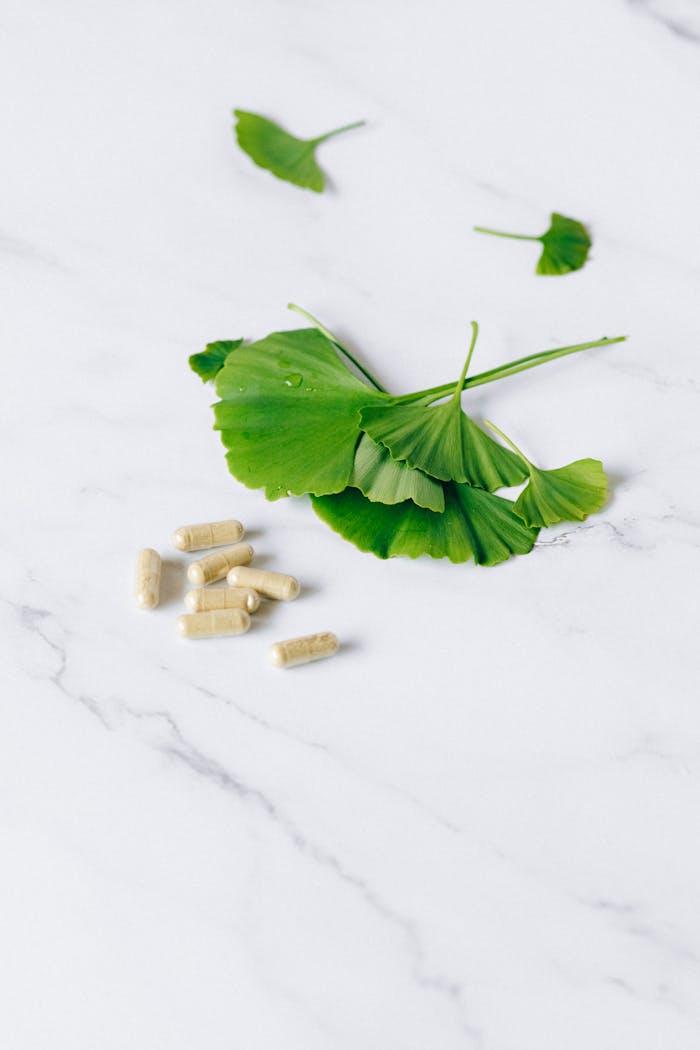
Ginkgo biloba, a tree species known for its fan-shaped leaves, has a rich history rooted in traditional medicine. You might be surprised to learn that its origins date back over 250 million years, making it one of the oldest living tree species.
In traditional uses, practitioners in ancient China utilized ginkgo for various ailments, including respiratory issues and cognitive disorders. Ginkgo history reveals that the leaves were often brewed into teas or used in extracts, believed to enhance overall health.
Today, you’ll find ginkgo supplements marketed for memory enhancement. While its historical roots are fascinating, it’s essential to explore how these traditional uses translate into modern understanding and application.
How Does Ginkgo Biloba Work in the Brain?

While many people turn to ginkgo biloba for its potential memory-boosting effects, its mechanisms in the brain are complex. This ancient plant may enhance cognitive function through several key processes:
- Neurotransmitter modulation: It helps balance neurotransmitters like dopamine and serotonin, which are essential for mood and memory.
- Increased blood flow: Ginkgo biloba may improve circulation, delivering more oxygen and nutrients to brain cells.
- Antioxidant properties: It combats oxidative stress, protecting neurons from damage.
- Neuroprotection: Ginkgo might help shield against neurodegenerative diseases by supporting overall brain health.
Understanding how ginkgo biloba interacts with these mechanisms can help you appreciate its role in cognitive enhancement.
What Does the Science Say About Ginkgo Biloba and Memory?

How effective is ginkgo biloba for enhancing memory? Research shows mixed results. Some studies suggest it may improve cognitive function, particularly in older adults experiencing memory issues.
Ginkgo biloba is thought to increase blood flow to the brain, which could support memory enhancement. However, other studies find little to no significant effects compared to placebo.
If you’re considering ginkgo for memory improvement, it’s essential to remember that individual responses can vary. While some people report benefits, others may not notice any change.
Always consult with a healthcare professional before starting any new supplement, especially if you have underlying health conditions or take medications. Balancing your expectations with scientific evidence can help you make informed decisions.
Common Myths About Ginkgo Biloba: Debunked
Many people hold misconceptions about ginkgo biloba and its effects on memory.
It’s easy to fall for these ginkgo misconceptions, but understanding the facts can help you make informed choices about memory enhancement.
Here are some common myths debunked:
- Ginkgo guarantees memory improvement: There’s no solid evidence that it noticeably boosts memory.
- All ginkgo products are the same: Quality varies widely; not all supplements are effective.
- It’s a miracle cure for dementia: Ginkgo isn’t a substitute for proper medical treatment.
- Side effects are negligible: Some users report headaches, nausea, and allergic reactions.
Who Could Benefit From Ginkgo Biloba?
If you’re looking for ways to enhance memory or cognitive function, ginkgo biloba might be worth considering. This herbal supplement can be particularly beneficial for older adults experiencing age-related decline in cognitive abilities.
Research suggests that ginkgo may improve blood flow to the brain, which could lead to better memory retention and overall cognitive enhancement. If you’re feeling forgetful or find it harder to concentrate, ginkgo biloba might help sharpen your focus.
Additionally, students or professionals under stress may also find cognitive benefits from its use. However, it’s crucial to consult with a healthcare provider before starting any supplement to verify it’s right for you.
Embrace the potential benefits while staying informed!
Potential Side Effects of Ginkgo Biloba
While Ginkgo Biloba offers potential benefits for memory, it’s important to be aware of its side effects.
You might experience common issues like headaches or dizziness, but some rare allergic reactions can occur too.
Understanding these risks can help you make an informed decision about using it.
Common Side Effects
Although Ginkgo Biloba is often praised for its potential cognitive benefits, it can also lead to some common side effects that you should be aware of. Understanding this side effects overview is vital for your safety considerations.
Here are some side effects you might experience:
- Headaches
- Dizziness
- Upset stomach
- Allergic skin reactions
While most people tolerate Ginkgo Biloba well, it’s essential to monitor how your body reacts.
If you notice any uncomfortable symptoms, it’s wise to consult a healthcare professional. Being informed about these potential side effects can help you make better decisions regarding supplementation and your overall health.
Always prioritize your safety when considering herbal remedies like Ginkgo Biloba.
Rare Allergic Reactions
Rare allergic reactions to Ginkgo Biloba can occur, affecting a small percentage of users. While most people tolerate this supplement well, you should be aware of possible allergic symptoms.
In rare cases, individuals may experience skin rashes, itching, or even respiratory issues after taking Ginkgo Biloba. If you notice any unusual reactions, it’s vital to stop using the supplement and consult a healthcare professional.
They can help determine if Ginkgo Biloba is right for you and suggest alternatives if needed. Always listen to your body; if you have allergies or sensitivities, discussing this with a doctor before starting Ginkgo Biloba is a smart move.
Being cautious guarantees your health remains a priority while exploring memory-boosting options.
How to Choose the Right Ginkgo Biloba Supplement
Wondering how to choose the right Ginkgo Biloba supplement for your needs? It’s essential to take into account a few factors to guarantee you’re getting the best quality.
Here are some tips to guide you:
- Check ginkgo forms: Look for standardized extracts, typically labeled as EGb 761.
- Verify supplement quality: Choose brands that undergo third-party testing for potency and purity.
- Read labels carefully: Confirm the product lists the active ingredients and their concentrations.
- Consult reviews: Look for customer feedback to gauge effectiveness and side effects.
Recommended Dosages for Memory Enhancement
When considering Ginkgo Biloba for memory enhancement, it’s essential to follow standard dosage guidelines to maximize benefits.
You should also be aware of potential side effects that could arise. Understanding these factors can help you make an informed choice for your cognitive health.
Standard Dosage Guidelines
To effectively enhance memory, it’s crucial to stick to recommended dosage guidelines for Ginkgo Biloba. Here’s what you should keep in mind:
- Typical dosage: 120-240 mg per day, divided into two or three doses.
- Optimal timing: Take it consistently at the same time each day for best results.
- Age considerations: Older adults may benefit more, but consult a healthcare provider for personalized advice.
- Form matters: Standardized extracts are recommended for consistent potency.
Potential Side Effects
While Ginkgo Biloba can be beneficial for memory enhancement, it’s important to be aware of potential side effects. Some users report headaches, dizziness, or stomach upset after taking it. These symptoms might be mild, but they can be bothersome.
More seriously, Ginkgo can interact with certain medications, like blood thinners, increasing the risk of bleeding. Always consult your healthcare provider before starting any new supplement, especially if you’re on medication.
To minimize risks, follow the usage guidelines closely, typically ranging from 120 to 240 mg daily, divided into doses. Staying informed about potential interactions and side effects helps guarantee a safer experience while you explore Ginkgo Biloba for memory support.
Ginkgo Biloba vs. Other Memory Supplements: A Comparison
As you explore options for enhancing memory, Ginkgo Biloba stands out among various supplements. Its unique properties contribute to cognitive enhancement, but how does it compare to other memory supplements? Here’s a quick look at some key points:
- Ginkgo Efficacy: Known for improving blood flow to the brain.
- Herbal Alternatives: Options like Bacopa Monnieri and Rhodiola Rosea offer different benefits.
- Dosage Variations: Ginkgo’s effectiveness can depend on the amount taken.
- Supplement Comparisons: Other supplements may focus on different aspects of brain health.
While Ginkgo Biloba shows promise for memory performance, understanding these comparisons can help you choose the best natural remedies for your needs.
What to Expect When Taking Ginkgo Biloba for Memory?
When you start taking Ginkgo Biloba for memory, you might notice some potential benefits, like improved focus and mental clarity.
However, it’s also important to be aware of possible side effects that could arise. Understanding these factors can help you make the most of your experience.
Potential Benefits Explored
If you’re considering Ginkgo Biloba for memory enhancement, you might be curious about its potential benefits. This herbal remedy is often touted for its effects on brain health and cognitive enhancement. Here’s what you can expect:
- Memory improvement: Some studies suggest it may help enhance memory recall.
- Increased blood flow: Ginkgo may promote better circulation to the brain.
- Antioxidant properties: It contains compounds that could protect brain cells from damage.
- Mood enhancement: Some users report improved overall mood, which can positively impact cognitive function.
While results can vary, many people find Ginkgo Biloba worth trying as part of their approach to boosting memory and supporting brain health.
Always consult with a healthcare professional before starting any new supplement.
Possible Side Effects
While Ginkgo Biloba is often praised for its potential memory benefits, it’s important to evaluate possible side effects before adding it to your routine.
Some users report headaches, dizziness, or gastrointestinal issues. Be mindful of dosage considerations; higher doses can increase the risk of these side effects.
Also, consider natural interactions with other medications you might be taking. For example, Ginkgo can affect blood clotting, so if you’re on anticoagulants, contraindications awareness is vital.
Always consult a healthcare professional before starting any herbal supplement to guarantee it’s safe for you.
Prioritizing herbal safety means staying informed about potential risks and monitoring your body’s response after beginning Ginkgo Biloba.
Are There Alternatives to Ginkgo Biloba for Memory Support?
What options do you have for memory support beyond Ginkgo Biloba? You can explore several effective alternatives that may enhance your cognitive function. Consider these options:
- Natural Nootropics like Bacopa Monnieri for mental clarity
- Cognitive Enhancers such as Rhodiola Rosea, an adaptogenic herb
- Memory Foods rich in omega fatty acids, like salmon and walnuts
- Mindfulness Practices to improve focus and reduce stress
Incorporating these herbal alternatives and brain boosters into your routine, along with healthy lifestyle factors, can considerably support your memory.
Tips for Maximizing the Benefits of Ginkgo Biloba
To maximize the benefits of Ginkgo Biloba, it’s essential to use it consistently and in the right dosage.
Start by choosing the right ginkgo preparation methods, such as standardized extracts, which guarantee you’re getting a reliable dose. Most studies suggest a daily dosage of 120-240 mg, divided into two or three doses.
Pay attention to ginkgo dosage timing; taking it with meals can enhance absorption and reduce potential stomach upset.
It’s also wise to maintain a routine—taking Ginkgo Biloba at the same times each day can help you remember.
Finally, monitor how your body responds and consult a healthcare professional to tailor your approach. This way, you’ll be setting yourself up for the best possible results.
Final Thoughts: Should You Try Ginkgo Biloba for Memory?
Could Ginkgo Biloba be the key to enhancing your memory? While research shows mixed results, many believe it offers potential benefits for cognitive support.
If you’re considering trying it, here are a few points to ponder:
- It may improve blood circulation to the brain.
- Some studies suggest it could enhance memory in older adults.
- Side effects are generally mild but can include headaches or digestive issues.
- Always consult a healthcare professional before starting any supplement.
Ultimately, whether Ginkgo Biloba works for you may depend on individual factors.
If you’re seeking memory enhancement, it could be worth a try, but stay informed and monitor your progress. Your brain deserves the best support you can offer!
Conclusion
In the grand tapestry of memory enhancement, Ginkgo Biloba can be a vibrant thread, but it’s essential to weave it wisely. While some may find its benefits, others might not experience the same sparkle. Before you immerse yourself, consider your unique needs and explore alternatives. Ultimately, whether you choose to embrace Ginkgo or seek other paths, remember: your journey to sharper memory is yours to create, full of possibilities waiting to unfold.