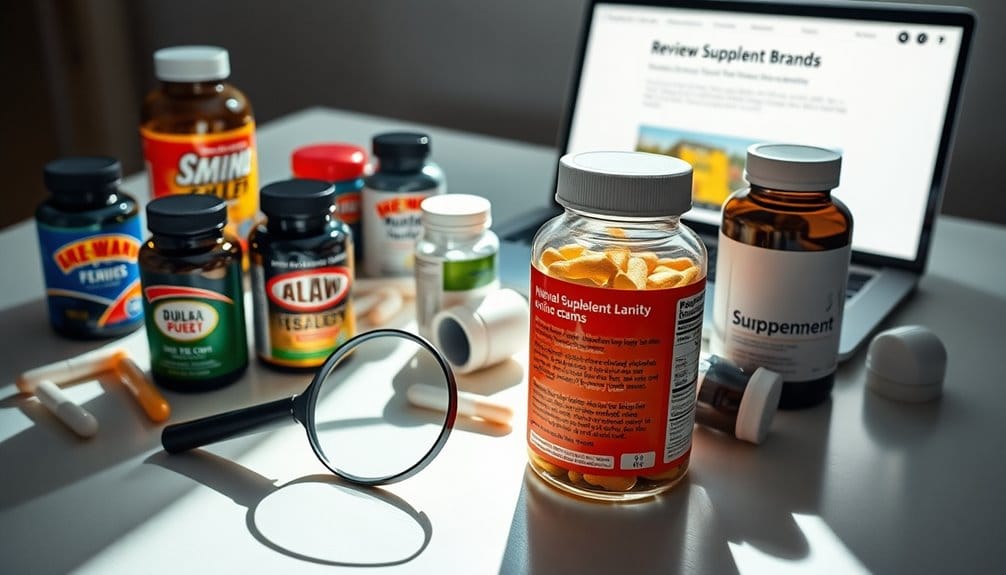
To spot fake or overhyped supplement brands, check the labels for accurate ingredients and clear dosages. Look for third-party testing certifications, as these guarantee safety and quality. Be wary of exaggerated claims and vague ingredient lists. Research the brand’s reputation through customer feedback and scientific studies. Reliable brands offer clear dosage recommendations and effective customer support. If you want to uncover more key insights about trusted supplements, keep exploring further.
Understanding Supplement Labels: What to Look For
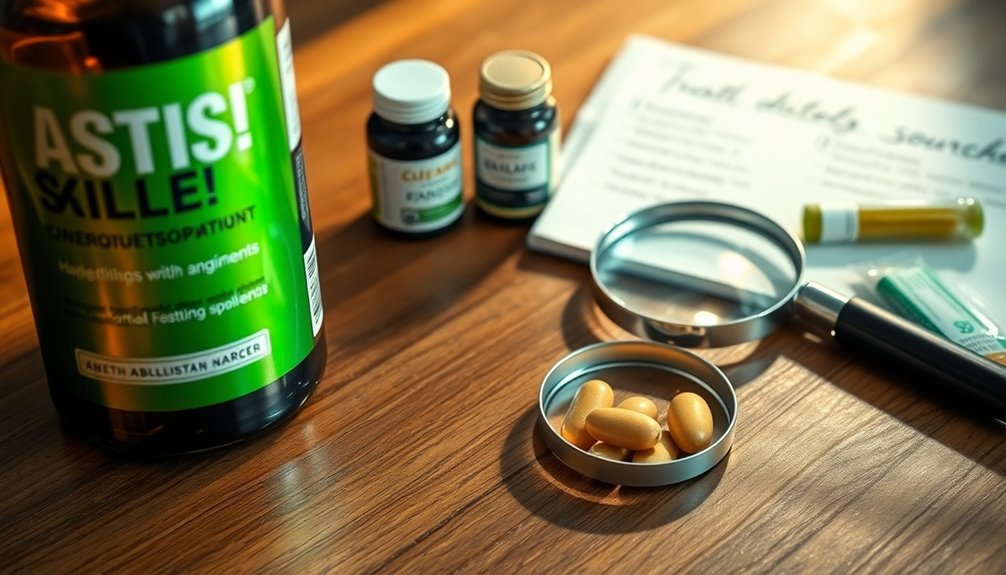
How can you tell if a supplement label is trustworthy? Start by checking for label accuracy. Make certain the ingredients listed match what you need. Look for clear dosages, specific forms of nutrients, and any potential allergens.
Next, pay attention to ingredient sourcing. Reputable brands often provide details about where their ingredients come from. If a label lacks this information, it could be a red flag.
Pay attention to ingredient sourcing; reputable brands disclose where their ingredients come from, while a lack of information can signal a red flag.
Also, watch for vague terms like “proprietary blend,” which can hide ingredient amounts.
Finally, verify the expiration date and storage instructions to confirm the product’s potency. By focusing on these elements, you can better navigate the supplement aisle and choose products that truly support your health.
The Importance of Third-Party Testing
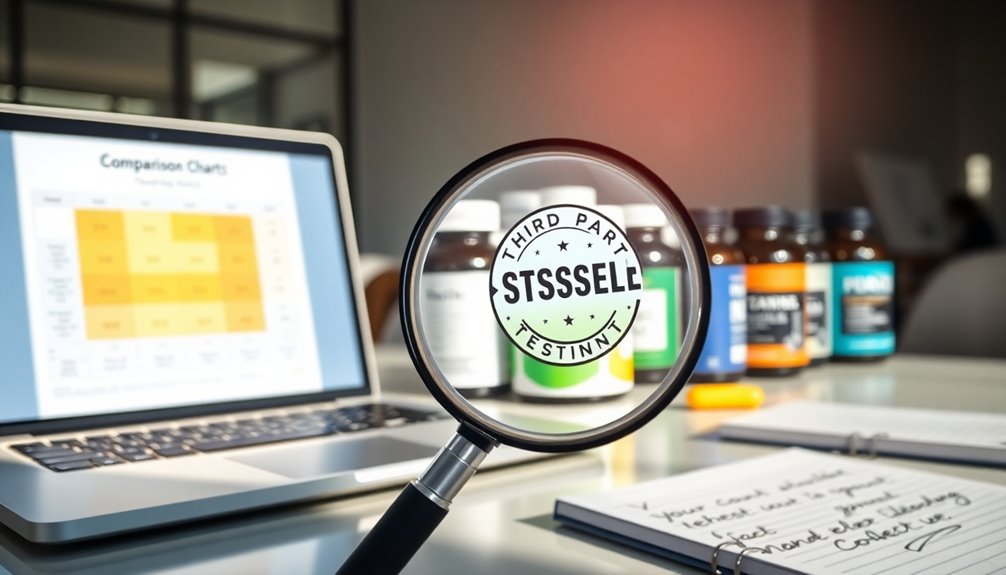
While many supplement brands claim to offer high-quality products, third-party testing is essential for guaranteeing their reliability. It provides you with an extra layer of confidence, as independent testing labs evaluate the supplements for purity and potency.
Look for third-party certifications on labels; these indicate that the product has undergone rigorous scrutiny. Brands that invest in third-party testing show they prioritize transparency and quality. Without these certifications, you can’t be certain what you’re actually getting.
Common Red Flags in Supplement Marketing
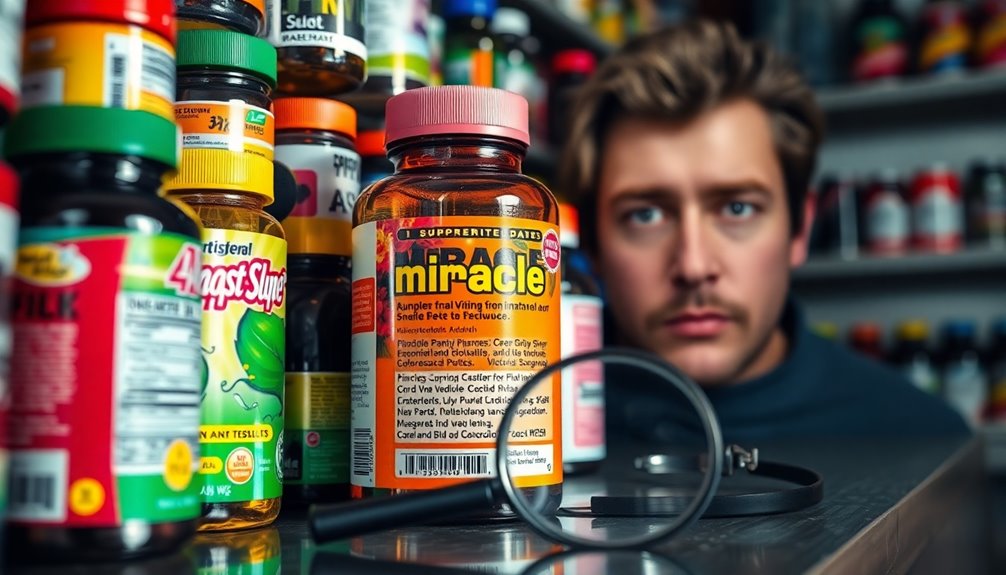
When you’re traversing the supplement market, it’s essential to be aware of common red flags that signal potential scams or inferior products.
Watch out for marketing gimmicks like exaggerated claims promising miraculous results. If it sounds too good to be true, it probably is.
Also, be cautious of brands that lack transparency; they often hide behind flashy packaging instead of providing adequate consumer education about their products.
Check for vague ingredient lists or proprietary blends that obscure what’s actually inside.
Finally, steer clear of testimonials that seem overly polished or insincere, as they mightn’t represent real experiences.
Evaluating Ingredient Quality: Are They Effective?
When evaluating supplement brands, you want to focus on ingredient quality.
Check if they source pure ingredients and back their claims with solid research.
Transparent labeling practices also help you make informed choices about what you’re putting into your body.
Sourcing and Purity Standards
To guarantee you’re getting the most effective supplements, it’s essential to evaluate their sourcing and purity standards.
Look for brands that prioritize ethical sourcing and adhere to strict manufacturing standards. Transparency in ingredient sourcing can reveal a lot about a supplement’s quality.
- Check for third-party purity testing to verify safety and effectiveness.
- Investigate the supply chain to confirm ingredient verification practices.
- Review the company’s commitment to quality assurance throughout their processes.
Research-Backed Ingredients Only
Evaluating the quality of ingredients in supplements is just as important as their sourcing and purity. You want to guarantee that the ingredients listed are backed by solid research.
Look for supplements that highlight ingredient sourcing from reputable suppliers and those that provide evidence of clinical efficacy. This means the ingredients have undergone rigorous testing and shown real benefits in studies.
If a brand can’t provide this information, it’s a red flag. You deserve supplements that deliver on their promises, so don’t settle for anything less.
By focusing on research-backed ingredients, you’ll make informed choices that support your health goals effectively.
Transparent Labeling Practices
Transparent labeling practices are essential for ensuring you know exactly what you’re putting into your body.
When evaluating supplement brands, look for transparency in their ingredient labeling. This clarity not only helps you understand what’s included but also aligns with labeling regulations that protect consumers.
- Verify ingredient sourcing to confirm quality and authenticity.
- Check for third-party testing, which can validate the effectiveness and safety of the ingredients.
- Look for clear dosage information, ensuring you know how much of each ingredient you’re consuming.
The Role of Scientific Research in Supplements
When choosing supplements, understanding the role of scientific research is essential.
You should look for clinical studies that back claims, as these can indicate effectiveness.
Evaluating the quality of this research helps you spot reliable products and avoid scams.
Importance Of Clinical Studies
Clinical studies play an essential role in determining the efficacy and safety of dietary supplements, as they provide the scientific backing consumers need to make informed choices.
Understanding clinical trial significance helps you discern which products are genuinely effective. Here are key points to take into account:
- Research Funding Sources: Be wary of studies funded by supplement companies, as bias can influence results.
- Sample Size: Larger trials typically yield more reliable results, reducing the likelihood of random chance affecting outcomes.
- Peer-Reviewed Publications: Look for studies published in reputable journals, as this indicates a level of scrutiny and credibility.
Evaluating Research Quality
Evaluating the quality of research is essential for anyone looking to choose effective supplements, as it directly impacts your health and wellness.
Start by examining research methodologies; robust studies often use randomized controlled trials, which provide stronger evidence than observational studies. Look for peer-reviewed publications that guarantee a level of scrutiny and credibility.
Next, consider study validity—check if the sample size is adequate and if the results are statistically significant.
Also, be cautious of studies funded by supplement companies, as this can introduce bias.
Always ask questions about the research: Who conducted it? What were the findings?
Recognizing Misleading Health Claims
How can you tell if a supplement’s health claims are too good to be true? Start by scrutinizing the language used. Brands often rely on misleading terminology or exaggerated benefits to entice you.
Here are some signs to watch for:
- Claims that a product is a “miracle cure” or “instant fix” for serious health issues
- Lack of scientific backing or references to credible studies
- Overly vague descriptions that avoid specifics about ingredients or their effects
If it sounds too amazing, it probably is.
Always approach supplements with a critical eye. Do your research and consult with healthcare professionals to navigate through the hype and find reliable products that truly benefit your health.
Comparing Prices: Are They Too Good to Be True?
After you’ve assessed health claims, it’s time to look at prices. Start by comparing the cost of similar supplements to gauge price perception.
If a product’s price seems markedly lower than others, it might raise a red flag. Brands often use discount strategies to lure in customers, but be cautious—unreasonably low prices can indicate compromised quality or fake products.
Investigate the average market price for the ingredients listed and consider whether those discounts are genuinely competitive or just a ploy.
Customer Reviews: What Can They Reveal?
Customer reviews can be a goldmine of information, but they also come with red flags.
Look for patterns in feedback that might indicate fake testimonials, like overly glowing praise or suspiciously generic comments.
Red Flags to Watch
When you’re evaluating supplement brands, paying attention to customer reviews can reveal essential insights about product quality and authenticity.
Look for red flags that indicate potential issues, such as:
- Unexplained Ingredient Sourcing: If reviews mention unclear or vague sourcing practices, it might signal false marketing.
- High Celebrity Influence: Brands overly reliant on celebrity endorsements may prioritize profit over ethical practices.
- Lack of Transparency: Brands that don’t openly discuss regulatory compliance or customer skepticism can raise concerns about their legitimacy.
Authenticity of Testimonials
How can you tell if testimonials are genuine or just marketing ploys? First, look for detail. Genuine experiences often include specifics about the product, like dosage, duration of use, and personal results. Vague statements like “it worked wonders” can be a red flag.
Check for balance; authentic testimonials usually mention both pros and cons. Be wary of overly enthusiastic reviews that sound scripted.
Also, consider the source. Verified purchasers or those with real profiles tend to offer more credible insights.
Finally, examine the overall volume and consistency of reviews. If a brand has only glowing testimonials with no critical feedback, it might signal a lack of testimonial authenticity.
Trust your instincts and dig deeper before buying.
The Transparency of Brand Practices
While many supplement brands tout their products as the best, true transparency in brand practices is what sets the reliable ones apart.
You should look for brands that prioritize brand ethics and consumer education, as these companies often provide clear insights into their sourcing and manufacturing processes.
When evaluating a brand, consider the following:
- Ingredient Sourcing: Do they disclose where their ingredients come from?
- Manufacturing Standards: Are they following Good Manufacturing Practices (GMP)?
- Third-Party Testing: Do they provide evidence of independent testing for quality and potency?
Understanding the Difference Between Proprietary Blends and Full Disclosure
When it comes to supplements, understanding proprietary blends versus full disclosure is essential.
Proprietary blends can mask the exact amounts of ingredients, making it hard to assess their effectiveness.
You’ll want to prioritize brands that practice transparency, so you know exactly what you’re putting in your body.
Proprietary Blends Explained
Understanding proprietary blends is essential for anyone traversing the supplement market, especially since these formulations can obscure important ingredient information.
With proprietary blends, manufacturers often group multiple ingredients under one umbrella term, making it hard to know exactly what you’re getting.
- You can’t see precise dosages of individual ingredients.
- This lack of transparency can affect ingredient sourcing, raising questions about quality.
- It’s easy for brands to hype up blends without providing real value.
When you come across a proprietary blend, dig deeper. Research the ingredients listed and their typical dosages.
This way, you can guarantee you’re making informed choices and not falling for marketing gimmicks. Always prioritize transparency for your health and wellness.
Importance Of Full Disclosure
Proprietary blends can obscure the truth about what you’re actually consuming, making full disclosure even more important in the supplement world.
When brands hide ingredient amounts behind fancy names, you can’t trust what you’re putting into your body. Full disclosure means you’ll know exactly what’s in each serving, allowing you to make informed choices.
It also reflects a commitment to regulatory compliance, ensuring that brands adhere to safety standards. Ethical marketing practices demand transparency, so you should look for labels that list every ingredient and its dosage.
This way, you can avoid misleading supplements and choose products that prioritize your health. Always opt for brands that embrace honesty over those that hide behind proprietary blends.
Analyzing Ingredient Transparency
Ingredient transparency is essential for making informed choices about supplements, especially when distinguishing between proprietary blends and full disclosure. Proprietary blends often list ingredients but don’t reveal specific amounts, which can hide subpar sourcing or ineffective dosages.
Full disclosure, on the other hand, provides complete ingredient lists and their precise amounts, ensuring you know what you’re taking.
Consider the following:
- Ingredient Sourcing: Look for brands that disclose where their ingredients come from, ensuring quality.
- Formulation Standards: Check if the brand follows rigorous formulation standards for safety and efficacy.
- Third-party Testing: Brands that submit to independent testing enhance credibility and transparency.
The Impact of Celebrity Endorsements on Brand Credibility
While it might seem harmless to trust a supplement brand endorsed by a celebrity, these endorsements can greatly sway your perception of a product’s credibility. The celebrity influence often taps into your emotions, making you more likely to develop brand loyalty.
Companies use savvy marketing strategies to leverage this, prompting you to associate the celebrity’s persona with positive qualities. However, this can distort consumer trust, as endorsements mightn’t reflect the product’s actual quality.
Media impact amplifies this effect, shaping public perception and reinforcing the allure of certain brands. Remember, endorsement effectiveness doesn’t guarantee that the supplement is safe or effective.
Always question influencer credibility and do your research before making a purchase based solely on a celebrity’s recommendation.
How to Research a Brand’s Reputation
How can you guarantee a supplement brand is trustworthy? Researching a brand’s reputation is essential for ensuring its credibility. Start by looking for third-party testing certifications, which show that the products meet safety and efficacy standards.
Researching a supplement brand’s reputation is crucial; look for third-party testing certifications to ensure safety and efficacy.
Next, explore consumer feedback; honest reviews can reveal a lot about a brand’s reliability.
Consider these factors:
- Transparency: Check if the brand openly shares ingredient sources and manufacturing processes.
- Longevity: A brand that’s been around for years usually has a proven track record.
- Community Engagement: Brands that actively respond to customer inquiries and concerns often show commitment to consumer satisfaction.
Red Flags in Supplement Dosage Recommendations
After you’ve researched a brand’s reputation, scrutinizing their dosage recommendations can reveal further insights into their trustworthiness.
Look for dosage accuracy in their labels; if the amounts seem too good to be true, they probably are. Reliable brands provide clear dosage guidelines that match scientific research.
Be wary of excessive dosage frequency; taking a supplement too often can indicate desperation for results rather than a balanced approach.
Check for dosage consistency across products—variations may suggest a lack of quality control. If they suggest drastic dosage adjustments without proper justification, it’s a red flag.
Trustworthy brands maintain stable dosage recommendations, ensuring safety and effectiveness.
Always prioritize transparency and research-backed information when evaluating supplements.
The Importance of Clear Usage Instructions
Clear usage instructions are essential for guaranteeing that you take supplements safely and effectively. Without dosage clarity, you mightn’t reap the benefits or, worse, face adverse effects. Brands that prioritize clear instructions provide you with a safety net in your health journey.
- Usage examples: Look for labels that include specific scenarios for taking the supplement, like with meals or before exercise.
- Dosage clarity: Confirm the recommended dosage is easy to understand and not vague, helping you avoid both underdosing and overdosing.
- Frequency of use: Clear guidelines on how often to take the supplement can prevent you from overdoing it.
When brands offer these details, you can feel more confident in your choices.
Identifying Brands With Strong Customer Support
When choosing a supplement brand, strong customer support can make a significant difference in your experience. Look for brands that prioritize customer service responsiveness.
Check if they offer multiple support channels, like phone, email, or live chat, making it easy to get your questions answered. A brand that readily engages with customers shows confidence in its products.
Read reviews to gauge others’ experiences with their customer support. If you see consistent complaints about slow responses or unhelpful representatives, that’s a red flag.
Great brands not only respond quickly but also provide helpful, knowledgeable answers. By prioritizing customer support, you can feel more secure in your supplement choices and trust that the brand values your needs.
Conclusion
In your quest for quality supplements, stay sharp and vigilant. By knowing what to look for—like third-party testing and clear ingredient labels—you’ll navigate the sea of options with confidence. Don’t let flashy marketing lure you into murky waters; instead, trust your instincts and do your homework. With a discerning eye, you can uncover the gems that truly support your health, shining brightly amidst the shadows of overhyped brands. Stay informed, and you’ll always choose wisely.