To support your gut health after taking antibiotics, focus on restoring your gut flora. Incorporate probiotic-rich foods like yogurt, kefir, kimchi, and sauerkraut into your diet. Choose high-quality probiotic supplements with diverse strains and at least 1 billion CFUs. Hydrate well, eat plenty of fiber from fruits and vegetables, and manage stress through mindfulness practices. These steps promote a balanced microbiome and overall well-being. Discover more tips to enhance your gut health further.
Understanding the Impact of Antibiotics on Gut Health

When you take antibiotics, they can disrupt the delicate balance of bacteria in your gut, leading to unwanted side effects.
These antibiotic effects can considerably alter your gut microbiome, which plays an essential role in digestion, immunity, and overall health. As antibiotics target harmful bacteria, they often don’t discriminate, wiping out beneficial strains too.
This imbalance may result in symptoms like diarrhea, bloating, or even yeast infections. You might notice changes in your appetite and energy levels as well.
Recognizing how antibiotics impact your gut health is crucial. By understanding this disruption, you can take proactive steps to support your microbiome and help restore that important balance once the antibiotic course is complete.
Why Restoring Gut Flora Is Essential
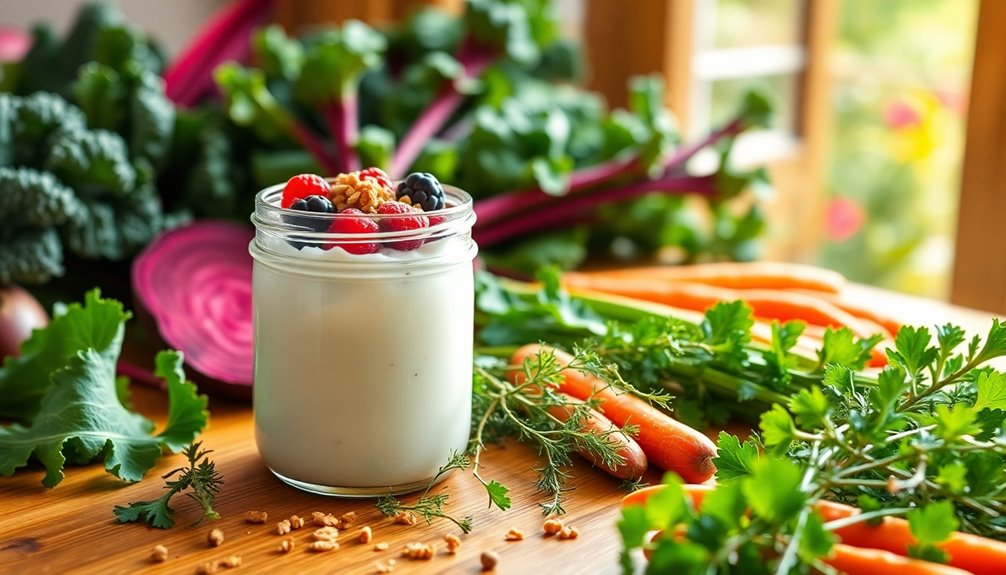
Restoring gut flora is essential because a balanced microbiome supports digestion, boosts immunity, and enhances overall well-being.
Restoring gut flora is crucial for digestion, immunity, and overall well-being.
When you take antibiotics, they can disrupt your gut health balance, leading to a decrease in gut microbiome diversity.
Here’s why you should prioritize restoring your gut flora:
- Improves Digestion: A diverse microbiome helps break down food and absorb nutrients more effectively.
- Strengthens Immunity: A healthy gut flora acts as a barrier against harmful pathogens, keeping your immune system strong.
- Enhances Mood: Gut health is linked to mental well-being; a balanced microbiome can positively affect your mood and reduce stress.
The Role of Probiotics in Gut Recovery

Probiotics play a crucial role in gut recovery, especially after a course of antibiotics.
These beneficial bacteria help restore balance to your gut microbiome, which often gets disrupted during antibiotic treatment.
Different probiotic types, such as Lactobacillus and Bifidobacterium, can effectively promote the growth of healthy gut flora.
By reintroducing these strains, you can enhance digestion, boost your immune system, and reduce symptoms like bloating or discomfort.
It’s important to choose a probiotic supplement that contains a variety of strains to support diverse gut health.
Incorporating probiotics into your routine after antibiotics can greatly aid in your recovery, ensuring your gut microbiome returns to its ideal state.
Start supplementing today to feel the difference!
Best Probiotic Foods to Include in Your Diet
To boost your gut health after antibiotics, incorporating probiotic foods into your diet is essential.
Fermented dairy products like yogurt and kefir are great options, as they contain beneficial bacteria.
Additionally, consider adding plant-based sources like kimchi and sauerkraut for a diverse array of probiotics.
Fermented Dairy Products
Including fermented dairy products in your diet can considerably boost your gut health after a course of antibiotics. These foods are packed with probiotics, which help restore your gut flora.
Here are three excellent options to evaluate:
- Fermented Yogurt – This creamy treat isn’t only delicious but also rich in beneficial bacteria, aiding digestion and overall gut health.
- Kefir Benefits – Kefir is a fermented milk drink loaded with probiotics. It’s great for improving gut function and enhancing nutrient absorption.
- Probiotic Cheese – Look for cheeses made with live cultures; they can be a tasty way to get probiotics while enjoying your meals.
You can also whip up gut-friendly desserts using these ingredients for a delicious way to support your digestive health!
Plant-Based Probiotic Sources
While fermented dairy products are well-known for their probiotic benefits, plant-based sources can also play a significant role in restoring gut health after antibiotics. Incorporating fermented vegetables like kimchi, sauerkraut, and pickles into your diet can enhance your gut flora. These foods are rich in beneficial bacteria that help repopulate your gut.
Additionally, plant-based yogurts made from almond, coconut, or soy can serve as excellent alternatives, providing both probiotics and a creamy texture without dairy. Look for options with live cultures to maximize benefits.
How to Choose the Right Probiotic Supplement?
When you’re picking a probiotic supplement, it’s essential to take into account strain diversity, as different strains offer unique benefits.
You’ll also want to look at the CFU count, since it indicates the potency of the product.
Finally, the delivery method can affect how well the probiotics reach your gut, so choose wisely!
Strain Diversity Matters
Choosing the right probiotic supplement can make a significant difference in your gut health, especially after a course of antibiotics.
To guarantee you’re getting the most benefits, focus on the following:
- Strain Sources: Look for probiotics that include well-researched strains like Lactobacillus and Bifidobacterium, as they help restore balance.
- Strain Combinations: Choose supplements that offer a blend of different strains. This diversity can enhance the probiotic effects and improve your gut flora.
- Research Backing: Select products backed by clinical studies, confirming their effectiveness in replenishing gut health post-antibiotics.
CFU Count Considerations
After considering strain diversity, it’s important to pay attention to the CFU (colony-forming units) count in your probiotic supplement.
The CFU count indicates the potency of the probiotic dosage; higher counts typically mean more beneficial bacteria can reach your gut. Look for a supplement that contains at least 1 billion CFUs per serving, but more isn’t always better.
Balance is key, especially when considering different bacterial strains. Not all strains are created equal, and some may require higher doses to be effective.
Ultimately, you should focus on a product that combines an appropriate CFU count with a variety of well-researched bacterial strains. This approach helps guarantee you’re getting the support you need for peak gut health post-antibiotics.
Delivery Method Importance
While many factors influence the effectiveness of a probiotic supplement, the delivery method plays a crucial role in ensuring the beneficial bacteria reach your gut alive.
When choosing a probiotic formulation, consider these delivery methods:
- Capsules: Often designed with enteric coatings to protect bacteria from stomach acid, ensuring more reach the intestines.
- Powders: Typically mixed with water or food, they can be easier to customize in dosage and may contain a higher CFU count.
- Fermented Foods: Natural sources like yogurt or kimchi provide live cultures but can vary in potency and strain variety.
Dietary Changes to Promote Gut Healing
To promote gut healing following a course of antibiotics, it’s vital to focus on incorporating nutrient-dense foods into your diet.
Start by adding gut-friendly recipes that include fermented foods like yogurt, kefir, and kimchi. These foods can help restore the balance of beneficial bacteria in your gut.
Don’t forget about healing herbs such as ginger and turmeric, which can reduce inflammation and support digestion. Aim to include a variety of colorful fruits and vegetables to guarantee you’re getting essential vitamins and minerals.
You might also consider bone broth, which is soothing and nutrient-rich.
The Importance of Fiber for Gut Health
Fiber plays an essential role in maintaining gut health, as it feeds the beneficial bacteria in your microbiome. Incorporating various fiber sources into your diet can enhance your digestive benefits and support recovery after antibiotics.
Here are three great options:
- Fruits: Apples, berries, and bananas aren’t only delicious but packed with fiber to keep your gut happy.
- Vegetables: Leafy greens, carrots, and broccoli provide a wealth of nutrients while promoting healthy digestion.
- Whole grains: Oats, brown rice, and quinoa are excellent fiber sources that help regulate your digestive system.
Hydration: A Key Component of Digestive Health
Staying hydrated is essential for your digestive health, especially after taking antibiotics.
Water helps your body absorb nutrients and supports healthy digestion.
Herbal teas can also provide additional benefits, giving you a flavorful way to boost your hydration.
Importance Of Water Intake
Drinking enough water daily is essential for maintaining digestive health, especially after a course of antibiotics.
Adequate hydration supports the balance of good bacteria in your gut, helping to restore what antibiotics may have disrupted.
Here are some hydration tips to keep in mind:
- Choose your water sources: Opt for filtered water, herbal teas, or infused water for variety.
- Set reminders: Use your phone or apps to remind you to drink water throughout the day.
- Carry a water bottle: Keeping water handy encourages regular sips, making it easier to meet your hydration goals.
Herbal Teas Benefits
While water is essential for hydration, herbal teas offer additional benefits that can enhance your gut health after antibiotics. Various herbal tea varieties, like peppermint, ginger, and chamomile, not only keep you hydrated but also provide unique digestive benefits.
For instance, peppermint tea can help relieve bloating and gas, while ginger tea may soothe nausea and improve digestion. Chamomile is known for its calming effects, which can reduce stress-related digestive issues.
Hydration And Digestion
Hydration plays an essential role in maintaining digestive health, especially after a course of antibiotics. When you’re properly hydrated, your body can better support digestive wellness.
Here are some effective hydration strategies to bear in mind:
- Drink Water Regularly: Aim for at least eight 8-ounce glasses of water a day, adjusting based on your activity level and climate.
- Incorporate Hydrating Foods: Foods like cucumbers, watermelon, and oranges can boost your hydration while providing essential nutrients.
- Limit Caffeine and Alcohol: These can be dehydrating, so keep them in moderation to support your gut health.
Lifestyle Changes for Supporting Gut Recovery
To effectively support gut recovery after antibiotics, making specific lifestyle changes can play a crucial role.
Start by practicing mindful eating; focus on your meals without distractions. This helps you enjoy your food and promotes better digestion. Incorporate a variety of gut-friendly foods, including probiotics and fiber-rich fruits and vegetables, to nourish your microbiome.
Prioritize sleep hygiene by establishing a consistent sleep schedule and creating a calming bedtime routine. Quality sleep helps your body repair itself and supports gut health. Reducing late-night screen time and keeping your sleep environment dark and cool can enhance your rest.
Managing Stress to Heal Your Gut
Since stress can greatly impact your gut health, managing it effectively is essential for recovery after antibiotics.
Incorporating mindfulness practices into your daily routine can notably aid in stress reduction. Here are three effective strategies to reflect on:
- Meditation: Set aside a few minutes each day to focus on your breath, letting go of stress and promoting relaxation.
- Deep Breathing Exercises: Practice deep, slow breaths to activate your body’s relaxation response, which helps soothe your gut.
- Journaling: Write down your thoughts and feelings to process emotions and reduce anxiety, fostering a healthier gut environment.
The Benefits of Regular Physical Activity
Engaging in regular physical activity not only boosts your overall well-being but also plays an essential role in supporting gut health, especially after a course of antibiotics.
Exercise frequency is key; aiming for at least 150 minutes of moderate activity each week can enhance your gut microbiome and improve digestion.
Aiming for at least 150 minutes of moderate exercise weekly can boost your gut microbiome and enhance digestion.
As you move, you’re strengthening the mind-body connection, which can lead to reduced stress and anxiety levels. This connection helps regulate the hormones that impact gut health, promoting a balanced and thriving microbiome.
Additionally, physical activity encourages the growth of beneficial gut bacteria, which can be negatively affected by antibiotics.
When to Consult a Healthcare Professional?
How can you tell when it’s time to consult a healthcare professional after taking antibiotics? It’s essential to pay attention to your body and use a symptoms checklist to identify any concerning signs.
If you experience any of the following, it’s wise to seek a healthcare consultation:
- Persistent diarrhea that lasts more than two days.
- Symptoms of a new infection, such as fever or unusual pain.
- Unexplained weight loss or fatigue that doesn’t improve.
These signs could indicate an imbalance in your gut health or complications arising from the antibiotics.
Don’t hesitate to reach out to a healthcare professional if you’re unsure—your well-being is worth it.
Tips for Maintaining Long-Term Gut Health
To maintain long-term gut health, you should focus on a balanced diet rich in fiber, probiotics, and prebiotics. Incorporate plenty of fruits, vegetables, whole grains, and fermented foods like yogurt or kefir into your daily meals.
Focus on a balanced diet with fiber, probiotics, and prebiotics to support long-term gut health.
These dietary habits promote a diverse gut microbiome, which is vital for overall health.
In addition to your diet, consider long-term strategies like staying hydrated, managing stress, and getting regular exercise. Avoid excessive sugar and processed foods, as they can negatively impact your gut flora.
Finally, be mindful of antibiotic use; only take them when necessary to protect your gut health. By adopting these practices, you’ll support your gut for the long haul and enhance your well-being.
Conclusion
In summary, supporting your gut health after antibiotics is essential for your overall well-being. Did you know that about 70% of your immune system resides in your gut? By incorporating probiotics, managing stress, and staying active, you can restore balance and keep your gut thriving. Remember, your choices today can lead to a healthier tomorrow, so make gut health a priority!