
To support hormone balance through nutrition, focus on a diet rich in key nutrients like magnesium, zinc, and B vitamins. Incorporate healthy fats, such as omega-3s from fatty fish and nuts, and avoid excess sugar, which can disrupt hormone levels. Stay hydrated with water and foods high in moisture like fruits and veggies. Additionally, including fermented foods can enhance gut health. Stick around for more practical tips to create a hormone-balancing meal plan that suits your lifestyle.
The Importance of Hormone Balance for Overall Health
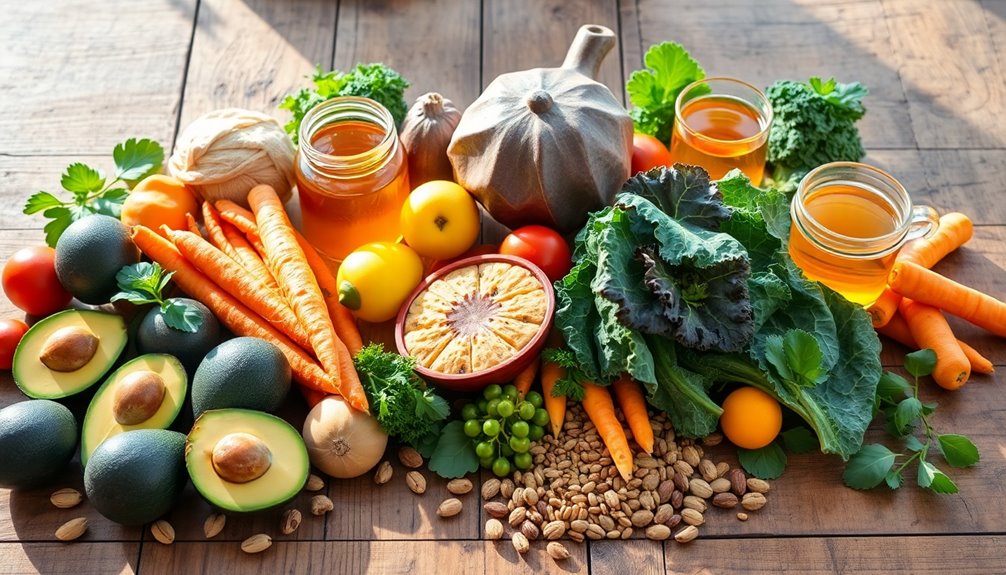
Hormone balance plays an essential role in maintaining your overall health, as it influences everything from mood and energy levels to metabolism and reproductive functions.
Factors like stress management and sleep quality are vital; when you’re stressed or sleep-deprived, hormonal fluctuations can occur. Your lifestyle choices, such as physical activity and diet, also impact hormone balance considerably.
Age considerations can’t be overlooked either, as hormonal changes are natural over time. Environmental factors and genetic influences can further contribute to endocrine disorders, affecting your emotional well-being and leading to weight fluctuations.
How Nutrition Influences Hormonal Function

Nutrition plays an essential role in shaping how your hormones function. If you face nutritional deficiencies, your hormonal balance may suffer, affecting everything from mood to metabolism.
Your dietary patterns influence micronutrient absorption, which is vital for efficient hormone signaling. Meal composition matters too—balancing proteins, fats, and carbs can enhance metabolic health.
Dietary patterns and balanced meal composition are crucial for optimal micronutrient absorption and effective hormone signaling.
Pay attention to your gut microbiome; a healthy gut supports hormone production and function. Be mindful of food sensitivities, as they can disrupt hormone balance.
Additionally, nutrient timing can optimize your body’s response to hormones. Finally, make sure you’re supporting your digestive enzymes, as they aid in nutrient absorption, further influencing hormonal health.
Making these adjustments can lead to improved hormonal function and overall well-being.
Key Nutrients for Hormonal Harmony

When you prioritize specific nutrients, you can notably enhance your hormonal balance. Addressing nutrient deficiencies is essential for managing hormonal fluctuations and supporting overall health.
Here are three key nutrients to focus on:
- Magnesium: Important for stress management and helps regulate cortisol levels. Look for micronutrient sources like leafy greens and nuts.
- Zinc: Critical for thyroid function and hormone production. Incorporate foods like pumpkin seeds and legumes into your dietary patterns.
- B Vitamins: Fundamental for energy and digestive health. Meal prep with whole grains, eggs, and avocados to guarantee adequate intake.
Don’t forget to take into account lifestyle factors and food sensitivities, as they can impact nutrient absorption and timing.
Balancing these nutrients can greatly improve your hormonal harmony.
The Role of Healthy Fats in Hormone Production
Healthy fats play an essential role in hormone production, and you need to understand their impact on your hormonal health.
Essential fatty acids are key players in this process, helping to regulate everything from mood to metabolism.
Essential Fatty Acids Explained
Essential fatty acids are important players in hormone production, directly influencing your body’s hormonal balance.
Understanding the different fatty acid types can help you optimize your nutrition. Here are key points to reflect on:
- Omega Benefits: Omega-3 and omega-6 fatty acids play significant roles in hormone synthesis and regulation.
- Dietary Sources: Incorporate plant sources like flaxseeds and walnuts, along with fish for a balanced intake.
- Cooking Methods: Use gentle cooking methods like steaming to preserve fatty acid integrity, enhancing absorption.
Impact on Hormonal Health
Fatty acids don’t just support overall health; they’re essential for hormone production and regulation. Your lifestyle choices, including diet, greatly impact hormonal health.
Healthy fats help combat hormonal disruptions caused by environmental toxins and age factors. They also play an important role in stress management, which directly affects your emotional well-being.
Prioritizing healthy fats can enhance sleep quality, supporting the gut microbiome essential for hormonal balance. Regular exercise further amplifies this effect, promoting healthy hormone levels.
If you’re concerned about your hormonal health, hormone testing can provide insights into your body’s needs. By understanding these connections, you can make informed choices to support your hormonal health effectively.
Sources of Healthy Fats
Incorporating a variety of healthy fats into your diet can greatly enhance hormone production and regulation. Here are some excellent sources to take into account:
- Fatty Fish: Rich in omega sources, these are essential for hormone synthesis. Aim for salmon or mackerel for maximum benefits.
- Nut Varieties: Walnuts, almonds, and cashews not only provide healthy fats but also support hormone balance.
- Plant-Based Fats: Don’t forget avocados for their numerous avocado benefits, and include seeds selection like chia and flax for added nutrients.
When cooking, use healthy cooking oils and explore dairy options and dark chocolate choices for delicious, mindful consumption.
Why Fiber Matters for Hormonal Balance
While you mightn’t think about it daily, fiber plays an essential role in maintaining hormonal balance.
Fiber-rich foods, particularly those high in soluble fiber, support your gut microbiome, which is vital for hormone regulation. When you increase your fiber intake, you enhance digestive health, helping your body manage insulin sensitivity and reduce hormonal fluctuations.
Excellent fiber sources include oats, beans, fruits, and vegetables. These foods not only keep you feeling full but also provide essential nutrients that contribute to overall well-being.
Embracing the fiber benefits can lead to improved mood and energy levels, making it easier for your hormones to function effectively.
Best Protein Sources for Endocrine Health
To support your endocrine health, choosing the right protein sources is essential. Focus on both plant-based and animal-based proteins for ideal protein quality.
Here are three top choices to take into account:
- Legumes and Beans: Great vegan protein sources that aid in protein digestion and synthesis while promoting satiety.
- Lean Meats and Fish: Animal-based proteins that offer hormone-responsive benefits, helping with protein timing for muscle recovery.
- Nuts and Seeds: Excellent protein-rich snacks that provide healthy fats, supporting overall hormonal balance.
Incorporating these protein sources into your diet can enhance protein synthesis and maintain hormone health.
Make sure to balance your intake for the best results!
The Impact of Sugar on Hormone Levels
Sugar plays a significant role in regulating your insulin levels, affecting how your body processes energy.
When you consume too much sugar, it can lead to spikes in cortisol, the stress hormone, which can throw your entire system off balance.
Understanding these effects is essential for maintaining hormone health and overall well-being.
Sugar’s Role In Insulin
When you consume sugar, your body responds by releasing insulin, a hormone essential for regulating blood glucose levels. However, excessive sugar consumption can lead to insulin resistance, a key factor in metabolic syndrome.
Here’s how sugar impacts your hormone balance:
- Sugar Cravings: High sugar intake can create a cycle of cravings, leading to more sugar consumption and further hormonal fluctuations.
- Glycemic Index: Foods with a high glycemic index spike blood sugar, forcing your body to produce more insulin.
- Sweeteners Impact: While sugar alternatives may seem appealing, they can still influence your insulin response.
Effects On Cortisol Levels
Although you mightn’t realize it, high sugar intake can greatly influence cortisol levels, the body’s primary stress hormone. When your blood sugar spikes, cortisol management becomes essential, as elevated sugar can lead to increased stress and adrenal fatigue.
To support adrenal health, focus on nutrient timing—eating balanced meals can stabilize your blood sugar and promote stress reduction. Incorporating exercise can also enhance emotional wellness, while meditation practices improve sleep quality, further aiding cortisol regulation.
Simple lifestyle changes, like reducing sugar intake and prioritizing whole foods, can profoundly impact your cortisol levels. By being mindful of these factors, you’ll foster a healthier balance, enhancing both your physical and emotional well-being.
How to Use Herbs and Spices for Hormonal Support
Herbs and spices can play an essential role in supporting hormone balance, especially when you incorporate them into your daily meals. They not only enhance flavor profiles but also offer medicinal properties that support your holistic approaches to health.
Here are some ways to use them effectively:
- Herbal Infusions: Brew herbal teas with adaptogenic herbs like ashwagandha or holy basil to help manage stress and balance hormones.
- Spice Blends: Create spice blends using seasonal herbs like thyme and oregano to add depth to dishes while benefiting from their traditional remedies.
- Culinary Practices: Incorporate turmeric and ginger into meals for their anti-inflammatory effects and hormonal support.
Incorporating Fermented Foods for Gut Health
Incorporating fermented foods into your diet can greatly enhance gut health, which is essential for hormone balance.
Fermented vegetables, such as kimchi and sauerkraut, offer probiotic benefits that support a healthy gut microbiome. These foods are rich in digestive enzymes, making digestion smoother.
Consider adding yogurt varieties or kefir for their unique advantages, both packed with beneficial bacteria. Kombucha options also provide a revitalizing way to introduce probiotics.
Don’t forget about prebiotic fibers found in these foods, which nourish your gut flora and strengthen the gut-brain connection.
Meal Timing and Frequency: What Works Best?
When it comes to hormone health, the timing and frequency of your meals really matter.
You might find that experimenting with different schedules, like intermittent fasting, can lead to better balance.
Let’s explore what works best for you in achieving ideal hormone function.
Optimal Meal Timing
Ideal meal timing plays an essential role in maintaining hormone balance, as it directly influences how your body processes nutrients. To optimize your timing strategies, consider these tips:
- Align with your circadian rhythm: Eat meals during daylight hours to support your body’s natural hormone cycles.
- Utilize eating windows: Try time-restricted eating; this can enhance digestive health and improve meal frequency management.
- Make mindful snack choices: Choose nutrient-dense snacks during gaps between meals to maintain energy and hormone stability.
Incorporate proper meal prep and food combinations, and practice portion control to guarantee your body receives the nutrients it needs without overloading.
Balancing your meals this way can greatly enhance your overall well-being.
Frequency and Hormone Health
Understanding how meal frequency impacts hormone health can transform your approach to nutrition. The frequency effects of your eating patterns can greatly influence hormonal rhythms.
Choosing the right meal frequency helps regulate appetite and maintain steady energy levels. For instance, shorter meal intervals may keep your metabolism engaged, while longer gaps can lead to energy dips.
Experiment with timing strategies that suit your lifestyle, whether that means three balanced meals or smaller, frequent snacks. Pay attention to how your body responds; some people thrive on regular meals, while others benefit from less frequent eating.
Intermittent Fasting Benefits
Meal frequency plays a significant role in hormone health, and intermittent fasting is a popular method that can enhance this balance.
By implementing intermittent fasting, you can experience several benefits that support hormone regulation:
- Improved Insulin Sensitivity: This helps maintain stable blood sugar levels, which is essential for appetite regulation and weight management.
- Enhanced Metabolic Flexibility: Your body adapts to using different energy sources, boosting energy levels and overall performance.
- Promoted Cellular Repair: Fasting triggers autophagy, aiding in inflammation reduction and supporting longevity benefits.
Incorporating intermittent fasting into your routine can also improve digestive health, making it a valuable tool for achieving hormone balance and overall wellness.
Hydration’s Role in Maintaining Hormone Balance
Although many people overlook it, staying properly hydrated is essential for maintaining hormone balance. Your body relies on adequate water intake to support various hormonal functions, including metabolism and stress response.
Staying properly hydrated is vital for hormone balance, supporting metabolism and stress response in your body.
When you’re dehydrated, hormone production can be disrupted, leading to imbalances that affect mood, energy, and overall health.
To enhance your hydration strategies, aim to drink water consistently throughout the day rather than waiting until you feel thirsty. Incorporating hydrating foods like fruits and vegetables can also boost your water intake.
Consider setting reminders or using a water bottle with measurements to track your consumption. By prioritizing hydration, you can create a solid foundation for hormonal health that supports your overall well-being.
Practical Tips for Creating a Hormone-Balancing Meal Plan
Staying hydrated sets the stage for a hormone-balancing meal plan. To optimize your nutrition, consider these practical tips:
- Meal Prep: Set aside time each week to prepare meals using seasonal ingredients. This boosts flavor and nutrients while enhancing meal aesthetics.
- Portion Control: Use smaller plates to promote mindful eating. This helps you appreciate food variety while controlling portions effectively.
- Snack Choices: Opt for healthy snacks that maintain nutrient timing, like nuts or yogurt.
Incorporate diverse cooking methods to keep your meals exciting and flavorful.
Conclusion
Balancing hormones is like tuning a delicate instrument; when every string is in harmony, you feel vibrant and energized. But when one’s off-key, fatigue and mood swings can take center stage. By focusing on a nutrient-rich diet filled with healthy fats, fiber, and fermented foods, you create a symphony of wellness. Remember, the right meal timing and hydration can amplify your efforts. Embrace these changes, and watch your health transform from chaotic to harmonious.