Boosting your immune system involves understanding how nutrition, lifestyle, and gut health work together. Eating a diverse diet rich in seasonal fruits, vegetables, lean meats, and healthy fats is essential. Probiotics from fermented foods can enhance gut health, while regular exercise, stress management, and quality sleep play vital roles in immune function. Plus, certain supplements like vitamin C and zinc can support your defenses. Learn more about practical ways to enhance your immunity and support overall wellness.
Understanding the Immune System: A Brief Overview

The immune system is like your body’s defense army, working tirelessly to protect you from harmful invaders like bacteria and viruses. It employs various immune response mechanisms to neutralize threats, ensuring you stay healthy.
You’ve got several immune cell types, including T cells, B cells, and macrophages, each playing a unique role in this defense system. T cells attack infected cells directly, while B cells produce antibodies that target specific pathogens. Macrophages help by engulfing and digesting these invaders.
Together, these cells communicate and coordinate their efforts, creating a robust line of defense. Understanding how these immune components work together empowers you to make choices that support your immune health and overall well-being.
Common Myths About Immune Boosters

How often have you heard someone claim that a single supplement can magically boost your immune system? This is one of many immune misconceptions fueled by popular beliefs and media influence.
Myth debunking reveals that no miracle pill can replace a healthy lifestyle. Often, misinformation sources rely on anecdotal evidence or oversimplified claims, promising exaggerated benefits that just don’t hold up under scrutiny.
Supplements might support your health, but they’re not a cure-all. Instead of chasing these myths, focus on balanced nutrition and regular exercise.
By understanding the science behind immunity, you can avoid falling for these oversimplified claims and make informed choices that genuinely support your immune system.
Stay skeptical of quick fixes!
The Role of Nutrition in Supporting Immunity
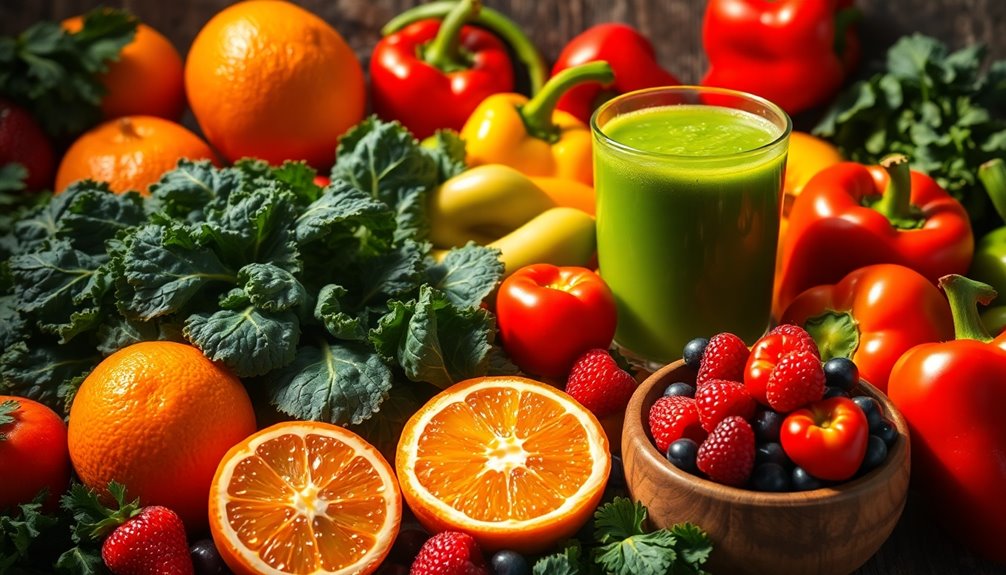
While many people often overlook the connection between nutrition and immunity, what you eat plays an essential role in supporting your body’s defense mechanisms.
Incorporating superfood sources into your diet enhances antioxidant intake, which fights off free radicals. Emphasizing dietary diversity guarantees you get a range of nutrients, promoting micronutrient synergy that boosts immunity.
Pay attention to nutrient timing and meal frequency; eating smaller, balanced meals helps maintain energy balance and improves vitamin absorption.
Don’t forget omega fatty acids, found in fish and flaxseeds, which are critical for immune health.
Adopting a plant-based diet can further enhance your immune response, providing necessary vitamins and minerals.
Prioritize these nutritional strategies to effectively support your immune system.
Top Vitamins and Minerals for Immune Health
Nutrition lays the groundwork for a robust immune system, but specific vitamins and minerals really take your defenses to the next level.
Vitamin D supports immune response, while zinc sources like nuts and seeds enhance your body’s ability to fight off infections.
Don’t forget about the antioxidant benefits of Vitamin C, which helps combat free radicals.
Selenium plays an essential role in regulating immune function, while magnesium effects include reducing inflammation.
Vitamin E also contributes by protecting cells from damage.
Additionally, iron absorption is important for transporting oxygen in your blood, supporting overall health.
How Probiotics Influence Immune Function
Probiotics play an essential role in shaping your gut microbiome, which directly impacts your immune function.
Different probiotic strains offer unique benefits, supporting everything from digestion to disease resistance.
Including fermented foods in your diet can further enhance your immune health by boosting beneficial bacteria.
Gut Microbiome and Immunity
The gut microbiome plays an essential role in shaping your immune function, as it houses trillions of microorganisms that interact with your body’s defenses.
Microbial diversity enhances gut permeability, allowing for effective immune signaling. When dysbiosis occurs, inflammation control can falter, negatively impacting your immune response mechanisms.
Including prebiotic fibers in your diet supports beneficial bacteria, while fermented beverages further promote microbiome modulation.
The gut-brain axis also highlights how gut health influences overall well-being. By maintaining a balanced microbiome, you can help mitigate dysbiosis effects and support your immune system.
Ultimately, a healthy gut is vital for optimal immune function, enabling you to respond better to pathogens and maintain overall health.
Probiotic Strains and Benefits
Numerous studies highlight the powerful impact of specific probiotic strains on immune function. By incorporating various probiotic sources, like fermented beverages and yogurt, you can enhance your gut health.
Clinical studies show that certain strains, such as Lactobacillus and Bifidobacterium, play vital roles in immune modulation. These specific strains can help reduce the incidence of infections and improve overall health benefits.
Dosage recommendations often suggest taking around 10 billion CFUs daily, but it’s essential to take strain variations into account for best results. Pairing probiotics with prebiotic fibers can further boost their effectiveness, creating a synergistic effect that supports your immune system.
Understanding these elements can empower you to make informed choices for your health.
Fermented Foods Influence Health
While many people enjoy the tangy flavors of fermented foods, their benefits extend far beyond taste. These foods, like yogurt cultures and fermented vegetables, play a crucial role in boosting your immune function through gut fermentation. Here’s how:
- Microbial Balance: The probiotic variety in fermented beverages helps maintain a healthy gut flora, essential for digestive health.
- Health Benefits: Regular consumption of traditionally fermented foods can enhance immunity, reducing the risk of infections.
- Fermentation Processes: Understanding these processes allows you to appreciate how gut fermentation improves nutrient absorption and overall wellness.
Incorporating these foods into your diet can lead to significant improvements in your immune system and overall health.
The Impact of Regular Exercise on Immunity
Regular exercise plays an essential role in enhancing your immune system, as it promotes better circulation and reduces inflammation. Engaging in various exercise types, like endurance training and strength training, boosts your immune response.
Outdoor activities not only improve physical health but also elevate your mental health, fostering a positive mindset. Consistency benefits your immunity, making regular workouts significant.
Outdoor activities enhance both physical and mental health, fostering a positive mindset and boosting your immune system through consistency.
Don’t forget to include recovery periods in your routine; they’re critical for overall well-being. Plus, community engagement through group exercises can strengthen social ties, further enhancing your immune system.
Keep in mind that individual variations exist—what works for one person may not work for another. Tailoring your approach guarantees you get the most out of your exercise regimen.
Stress Management Techniques for a Stronger Immune System
Managing stress is essential for maintaining a strong immune system.
Techniques like mindfulness meditation can help you reduce anxiety and improve your overall well-being.
Plus, incorporating regular exercise not only boosts your mood but also enhances your body’s defenses.
Mindfulness Meditation Benefits
As you explore ways to enhance your immune system, incorporating mindfulness meditation can be a game changer. This practice focuses on stress reduction, which directly influences your immune response.
Here are three key benefits:
- Mental Clarity: Mindfulness techniques enhance focus, helping you make better decisions for your health.
- Emotional Resilience: Regular meditation practices boost your ability to handle stress, promoting emotional stability.
- Breathing Exercises: These relaxation methods improve oxygen flow, which can strengthen your immune system.
Exercise and Stress Relief
While you mightn’t realize it, exercise serves as one of the most effective stress relief techniques for boosting your immune system. Engaging in aerobic exercise, resistance training, or outdoor activities not only enhances your physical well-being but also promotes a powerful mind-body connection.
Incorporating group workouts can provide social support, making it easier to stay motivated. Don’t underestimate the yoga benefits, as it combines movement with breathing techniques to reduce stress effectively.
Regular physical activity helps lower cortisol levels, which can weaken your immune response. By finding enjoyable forms of exercise, you’ll create a sustainable routine that strengthens your immune system while alleviating stress.
Prioritize movement, and watch both your mental and physical health improve.
The Importance of Sleep for Immune Function
When you prioritize sleep, your immune system gets the support it needs to function at its best. Good sleep hygiene enhances your body’s immune response, while sleep deprivation can lead to increased stress and susceptibility to illnesses.
Here are three key benefits of restorative sleep:
- Improved Sleep Quality: Quality sleep strengthens your immune system, allowing for better defense against pathogens.
- Regulated Circadian Rhythms: A stable sleep schedule helps maintain balance in your immune function and supports healthy sleep duration.
- Enhanced REM Sleep: This vital phase aids in stress reduction, essential for a robust immune response.
Addressing sleep disorders and ensuring adequate rest can help you maintain both physical and mental health.
Prioritize your sleep for a stronger immune system!
Herbal Remedies: Which Ones Have Scientific Support?
Boosting your immune system goes beyond just getting enough sleep; incorporating herbal remedies can play a significant role too. Certain herbs have shown promising herbal efficacy in enhancing immune mechanisms.
Boosting your immune system involves more than sleep; herbal remedies can significantly enhance immune function.
For instance, echinacea is widely studied for its potential to reduce the duration of colds, while elderberry may help inhibit viral infections. Turmeric, with its active compound curcumin, has anti-inflammatory properties that can support immune function.
Additionally, garlic is known for its ability to enhance the activity of immune cells. While these remedies aren’t a cure-all, scientific support backs their ability to contribute positively to your immune health.
Always consult with a healthcare professional before adding new supplements to your routine to guarantee they align with your needs.
The Effects of Hydration on Immune Response
Staying hydrated is essential for maintaining a strong immune system.
When you’re dehydrated, your body’s ability to fight off infections can take a hit.
Let’s explore how proper hydration supports your immune function and the risks that come with dehydration.
Hydration and Immune Function
Hydration plays an essential role in supporting your immune system, as it helps maintain ideal bodily functions. When you’re well-hydrated, you can better fend off illness.
Here are three effective hydration strategies:
- Drink Water Regularly: Aim for at least eight 8-ounce glasses a day, adjusting for activity level and climate.
- Include Hydrating Foods: Incorporate fruits and vegetables like cucumbers, oranges, and watermelon into your diet for extra hydration.
- Avoid Hydration Myths: Don’t rely solely on thirst; it’s a poor indicator of your body’s needs.
Staying hydrated can enhance your immune response, helping you feel your best and stay resilient against infections.
Prioritize your hydration to support overall health!
Dehydration Risks to Immunity
Dehydration can greatly compromise your immune system, making you more vulnerable to infections and illnesses. When your body lacks adequate fluid intake, you might experience dehydration symptoms like fatigue, dry skin, and confusion, all of which can hinder your immune response.
Chronic dehydration reduces your body’s ability to absorb water effectively, impacting hydration sources and electrolyte balance. To support immune health, implement hydration strategies such as drinking water throughout the day, consuming fruits and vegetables rich in fluids, and considering electrolyte-rich drinks after intense exercise.
The hydration benefits are clear: staying properly hydrated boosts your immune function and helps your body fight off pathogens. Prioritize your fluid intake to keep your immune system strong and responsive.
Vaccinations: How Do They Enhance Immunity?
How can vaccinations enhance your immunity? Vaccines train your immune system to recognize and fight specific pathogens, creating long-lasting immune memory.
Here are three key benefits:
- Antibody Production: Vaccines stimulate your body to produce antibodies, which help neutralize infections.
- Vaccine Efficacy: High vaccine efficacy means a stronger immune response, reducing your chance of severe illness.
- Herd Immunity: Widespread vaccination protects those who can’t be vaccinated, helping to control disease outbreaks.
Following a vaccination schedule, including booster shots, guarantees your immune system stays prepared.
The Connection Between Gut Health and Immunity
Your gut health plays an essential role in shaping your immune system.
A diverse gut microbiome can enhance your body’s defenses, while probiotics can further boost immune function.
Let’s explore how these factors work together to keep you healthy.
Gut Microbiome Diversity Benefits
While many people overlook gut health, its diversity plays an important role in supporting your immune system. A balanced microbiome enhances immune resilience through various mechanisms.
Here are three key benefits:
- Beneficial Bacteria: They help maintain microbiome balance, promoting immune synergy and fighting off pathogens.
- Prebiotic Sources: Rich in dietary fibers, these foods fuel beneficial bacteria, aiding in inflammation reduction and improving digestion with digestive enzymes.
- Gut Brain Connection: A diverse gut can influence mental health, which is essential for overall well-being and immune function.
Incorporating diverse foods into your diet not only supports gut health but also strengthens your immune system, making you more resilient against illnesses.
Prioritizing microbiome diversity is crucial for ideal health.
Probiotics and Immune Function
Building on the importance of gut microbiome diversity, probiotics play a significant role in enhancing immune function.
When you incorporate probiotic sources like yogurt, kefir, and fermented vegetables into your diet, you help maintain a balanced gut environment. This balance is vital, as gut dysbiosis can lead to immune system issues, increasing your susceptibility to infections.
Probiotics work by promoting the growth of beneficial bacteria, which can modulate your immune response and reduce inflammation.
By regularly consuming these foods, you not only support your gut health but also strengthen your overall immunity.
Foods to Include for Immune Support
Incorporating a variety of nutrient-rich foods into your diet can greatly boost your immune system.
Focus on these key categories to enhance your superfoods selection:
- Fruits and Vegetables: Add seasonal fruits and nutrient-dense vegetables like spinach and bell peppers for their antioxidant-rich properties.
- Protein Sources: Include lean meats, legumes, and nuts, which provide essential amino acids and healthy fats to support immune function.
- Culinary Spices and Herbs: Use anti-inflammatory options like turmeric and garlic, along with immune-boosting herbs such as oregano and thyme.
Lifestyle Changes to Strengthen Your Immune System
To strengthen your immune system, adopting certain lifestyle changes can make a considerable difference.
Focus on mindful eating, incorporating nutrient-rich foods that fuel your body.
Prioritize sleep hygiene, ensuring you get enough restorative rest each night.
Engage in outdoor activities, enjoying nature exposure that boosts your mood and health.
Stress reduction techniques, like meditation or yoga, can enhance your immune response.
Foster social connections, as strong relationships improve mental well-being and resilience.
Implement hydration strategies to keep your body functioning efficiently.
Maintain a balanced lifestyle with regular routine check-ups to catch any potential issues early.
Finally, cultivate a positive mindset, as it can greatly impact your overall health and immunity.
Evidence-Based Supplements: What Works?
What supplements actually boost your immune system? To make informed choices, you should consider evidence synthesis from clinical trials evaluating supplement efficacy. Here are three key options:
- Vitamin C: Known for its immune-supporting properties, make sure you follow dosage guidelines to maximize benefits while monitoring safety profiles.
- Zinc: This mineral plays an essential role in immune function. Look for studies on long-term effects and nutrient interactions when considering supplementation.
- Elderberry: Some research suggests it may reduce cold symptoms. Explore combination therapies that include elderberry for enhanced effects.
Always consult healthcare professionals to understand the best practices for your needs, particularly regarding dosage guidelines and safety profiles.
Conclusion
In the quest for a stronger immune system, remember that “an ounce of prevention is worth a pound of cure.” By nurturing your body with the right nutrition, lifestyle changes, and evidence-based supplements, you can bolster your defenses. Embrace a balanced diet rich in vitamins and probiotics, and don’t underestimate the power of good habits. With these strategies, you’ll be better equipped to fend off illnesses and support your overall health.