To manage high cholesterol naturally, focus on dietary changes, like adding fruits, vegetables, and whole grains while cutting back on processed foods and unhealthy fats. Incorporate regular exercise—aim for 150 minutes of moderate activity weekly—to boost good cholesterol (HDL) and lower bad cholesterol (LDL). Consider natural supplements like omega-3 fatty acids and garlic, which can support heart health. Want to discover more effective strategies for cholesterol control? Keep exploring the options that work best for you.
Understanding Cholesterol: The Good vs. The Bad
When it comes to cholesterol, understanding the difference between the good and the bad is essential for your health.
Good cholesterol, known as HDL, helps transport cholesterol to your liver, where it’s processed and removed from your body. This reduces the risk of heart disease and stroke.
Good cholesterol, or HDL, plays a crucial role in transporting cholesterol to the liver for removal, lowering heart disease and stroke risks.
On the other hand, bad cholesterol, or LDL, can build up in your arteries, leading to blockages and serious health issues.
It’s important to monitor your levels of both types. Aim to increase your good cholesterol through physical activity and healthy fats while keeping your bad cholesterol in check by avoiding trans fats and processed foods.
Dietary Changes to Lower Cholesterol Naturally
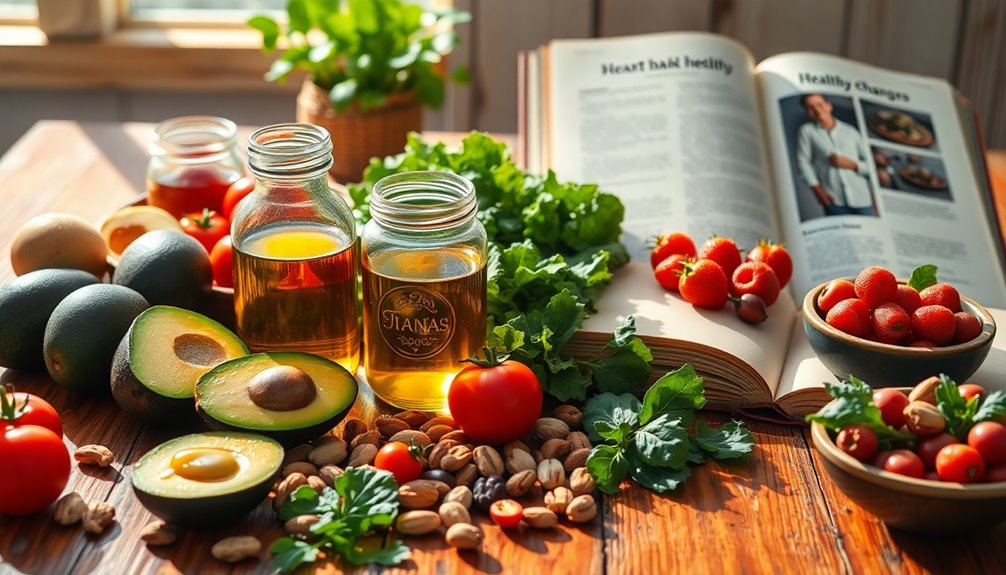
Making dietary changes can greatly lower your cholesterol levels naturally. Start by incorporating more fruits, vegetables, and whole grains into your meals. These foods are rich in fiber, which helps reduce bad cholesterol.
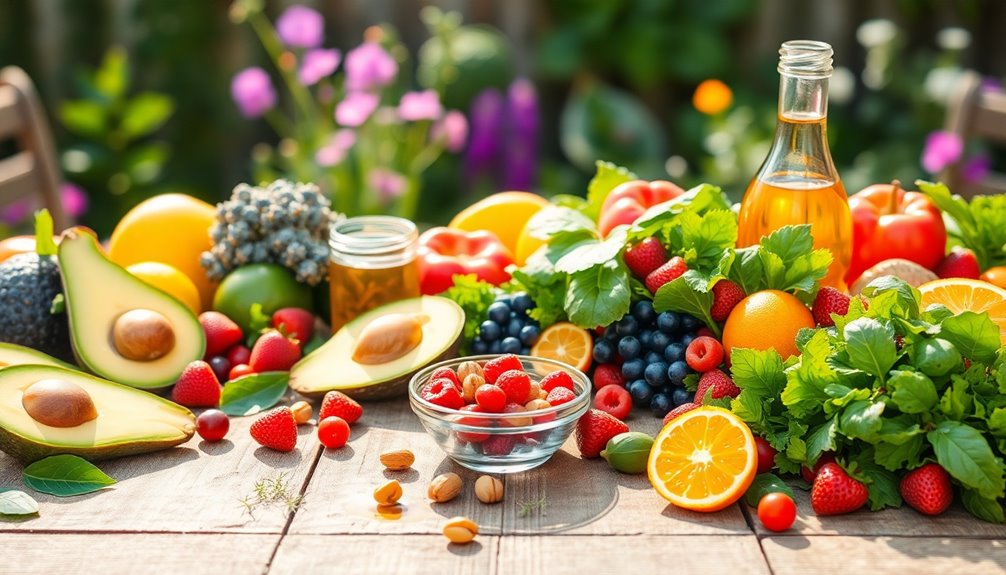
Don’t fall for cholesterol myths that suggest all fats are bad; instead, focus on healthy fats from sources like avocados, nuts, and olive oil. Another common dietary misconception is that you need to eliminate eggs completely. In moderation, eggs can fit into a heart-healthy diet.
Additionally, consider reducing your intake of processed foods and sugary snacks, as these can spike cholesterol levels. Remember, small, consistent changes can lead to significant improvements in your overall health and cholesterol management.
The Role of Exercise in Managing Cholesterol Levels

While dietary changes are essential, incorporating regular exercise into your routine plays an important role in managing cholesterol levels.
Engaging in consistent physical activity can boost your HDL (good cholesterol) while lowering LDL (bad cholesterol). Aim for at least 150 minutes of moderate-intensity exercise each week, such as brisk walking, cycling, or swimming.
These exercise routines not only help maintain a healthy weight but also provide significant cardiovascular benefits, reducing your risk of heart disease. You’ll find that even simple activities, like taking the stairs or gardening, can contribute to your overall fitness.
Incorporating Heart-Healthy Foods Into Your Diet
Incorporating heart-healthy foods into your diet is essential for managing cholesterol levels.
By adding fiber-rich foods like oats and beans, you can help lower bad cholesterol.
Plus, choosing healthy fats from sources like avocados and olive oil can support your heart health.
Fiber-Rich Foods Benefits
When you choose fiber-rich foods, you’re not just adding variety to your meals; you’re also taking a significant step toward managing your cholesterol levels.
Soluble fiber, found in oats, beans, and fruits, can help lower your LDL (bad) cholesterol by binding to it in your digestive system. This process helps remove cholesterol from your body, promoting heart health.
On the other hand, insoluble fiber, present in whole grains and vegetables, aids digestion and keeps you feeling full, which can prevent overeating.
By incorporating both types of fiber into your diet, you not only improve cholesterol levels but also enhance overall health.
Healthy Fats Sources
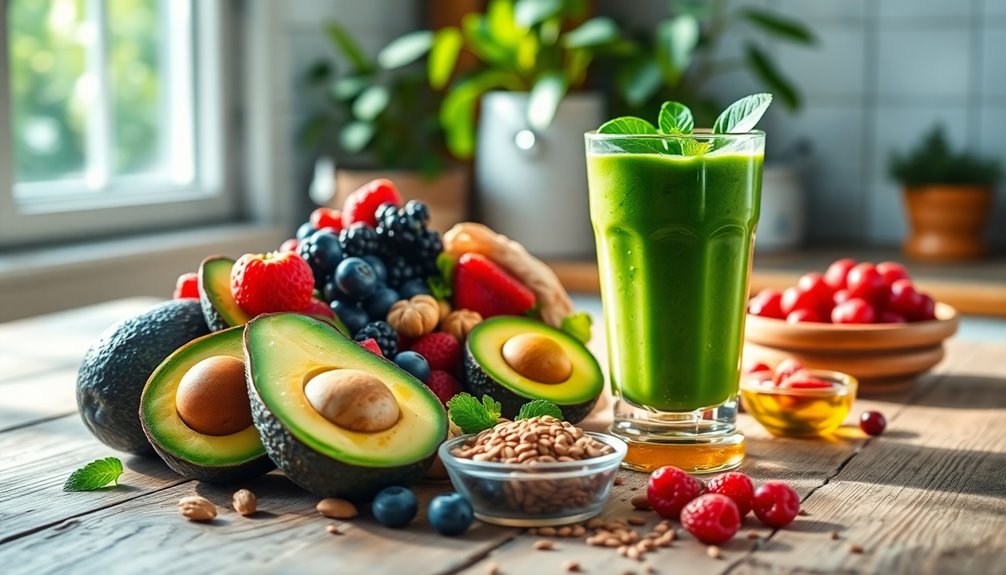
Including healthy fats in your diet is essential for managing cholesterol levels and promoting heart health. Avocado benefits are plentiful, as they provide monounsaturated fats that help lower bad cholesterol.
Incorporate various nut varieties like almonds and walnuts for added nutrients. Use olive oil as your go-to for cooking and salad dressings.
Fatty fish, such as salmon and mackerel, offer omega-3s that support heart health. Coconut oil can be used in moderation for cooking.
Explore healthier cheese options like feta or goat cheese. Dark chocolate, in small amounts, can satisfy your sweet tooth while providing antioxidants.
Finally, add chia seeds, hemp seeds, and flaxseed oil to smoothies or oatmeal for an extra boost of healthy fats.
The Impact of Weight Management on Cholesterol
Managing your weight can greatly influence your cholesterol levels, as excess body fat often leads to higher LDL (bad) cholesterol and lower HDL (good) cholesterol.
Achieving weight loss through a balanced diet and regular exercise can markedly improve your body composition, which directly affects your cholesterol profile. When you shed pounds, your body tends to produce less LDL cholesterol while increasing HDL levels.
Achieving weight loss through balanced eating and exercise can enhance your cholesterol profile by lowering LDL and boosting HDL levels.
This shift helps reduce the risk of heart disease and promotes overall cardiovascular health. Even modest weight loss can yield benefits, so making small, sustainable changes to your lifestyle can have a positive impact.
Focus on incorporating whole foods and staying active to support both weight management and better cholesterol levels.
Stress Reduction Techniques for Better Heart Health
Stress can greatly impact your heart health, so finding effective ways to reduce it is essential. Incorporating mindfulness practices into your daily routine can help center your thoughts and calm your mind.
Try relaxation techniques like deep breathing exercises or engaging in yoga sessions to release tension. Meditation methods can also enhance your focus and promote tranquility.
Don’t underestimate the power of nature walks; being outdoors can profoundly lower stress levels. Consider stress journaling to process your feelings and track your progress.
Finally, using positive affirmations can shift your mindset and improve your overall outlook. By integrating these techniques, you can foster a healthier heart and better manage your cholesterol naturally.
Natural Supplements and Herbs for Cholesterol Control
When it comes to managing high cholesterol, natural supplements and herbs can play a key role.
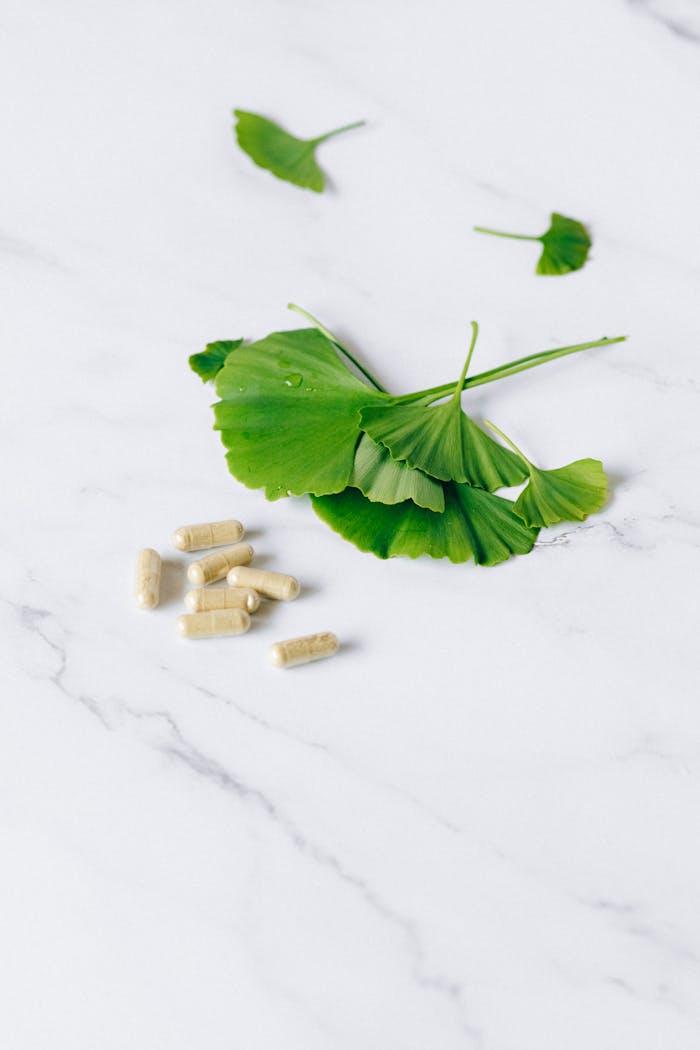
You might consider incorporating plant sterols and stanols, omega-3 fatty acids, and garlic extract into your routine.
These options have shown promise in supporting cholesterol levels and promoting heart health.
Plant Sterols and Stanols
If you’re looking to lower your cholesterol levels naturally, incorporating plant sterols and stanols into your diet can be a game-changer.
These compounds, found in various foods and supplements, work by blocking cholesterol absorption in your intestines. You can find plant sterols in fortified foods like margarine, orange juice, and yogurt, while stanol sources can include certain vegetable oils and nuts.
Aim for about 2 grams of plant sterols or stanols daily to see potential benefits. By adding these to your meals, you can help improve your cholesterol profile without the need for statins.
Omega-3 Fatty Acids
Omega-3 fatty acids are powerful allies in your quest to manage cholesterol levels naturally. These essential fats can help lower triglycerides and improve heart health, offering significant omega 3 benefits.
You can find fatty acid sources in fatty fish like salmon, mackerel, and sardines, as well as in flaxseeds, walnuts, and chia seeds. Incorporating these foods into your diet can make a positive impact on your cholesterol levels.
If you’re considering supplements, fish oil or algal oil can provide concentrated doses of omega-3s. Remember, though, it’s essential to consult with your healthcare provider before starting any new supplement regimen.
Garlic Extract Benefits
Garlic extract offers a potent, natural way to support your cholesterol management efforts. Rich in allicin and other compounds, garlic benefits include lowering LDL cholesterol and improving overall heart health.
Research suggests that incorporating garlic into your daily routine can help reduce cholesterol levels effectively.
For best results, a typical garlic dosage ranges from 600 to 1,200 mg of garlic extract daily, often divided into multiple doses. You can find garlic supplements in various forms, such as capsules, tablets, or even liquid extracts.
Remember to consult with your healthcare provider before starting any new supplement to confirm it’s right for you. By adding garlic extract to your regimen, you’re taking an important step toward healthier cholesterol levels.
Regular Health Screenings: Why Do They Matter for Cholesterol Management?
How often do you think about getting your cholesterol levels checked? Regular health screenings are essential for managing your cholesterol effectively. By monitoring your levels, you can identify any potential issues early on. High cholesterol often doesn’t show symptoms, so routine screenings become your best defense.
These check-ups help you understand your body better and allow you to make informed decisions about your diet and lifestyle. When you know your cholesterol levels, it’s easier to implement natural strategies to keep them in check.
Additionally, discussing your results with your healthcare provider can help tailor a plan that suits your individual needs. Prioritize these screenings; your heart will thank you for it in the long run.
Conclusion
So, if you think popping a statin is the only way to tame your cholesterol, think again! You can ditch those pills and embrace the power of greens, exercise, and a sprinkle of stress relief. It’s like creating your own heart-healthy superhero squad. Just remember, while you’re snacking on avocados and jogging, don’t forget to check in with your doctor. After all, even superheroes need a sidekick for those regular health screenings! Who knew heart health could be this fun?