Resveratrol is a powerful antioxidant found in red grapes, berries, and dark chocolate, and it’s often praised for its potential anti-aging benefits. It works by combating oxidative stress and supporting cellular repair, which may enhance longevity. While research shows promising effects, especially in animals, human results aren’t as strong. Plus, there are some risks—like digestive issues and hormone interactions. Interested in how to safely incorporate resveratrol into your diet? There’s more to explore!
What Is Resveratrol and Where Is It Found?
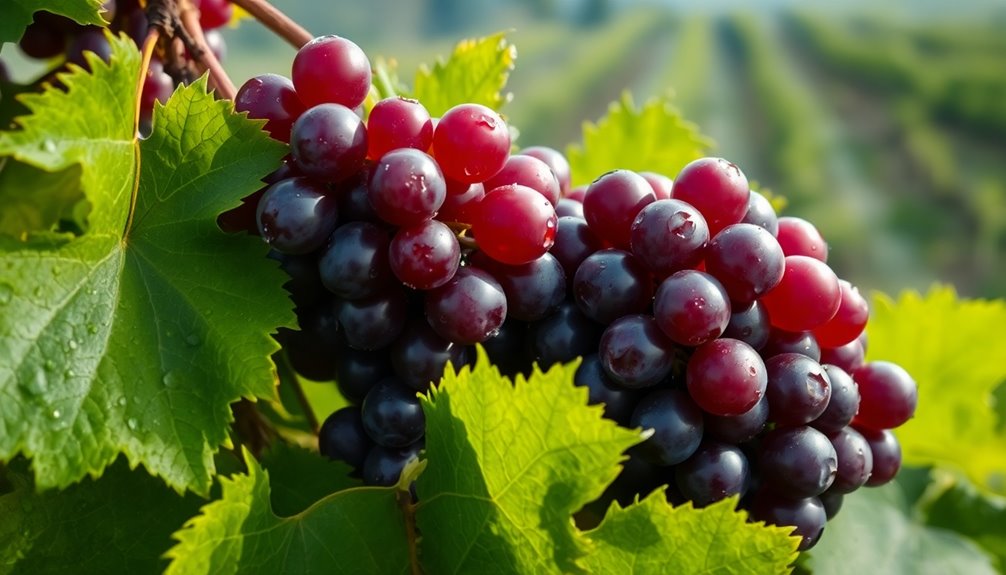
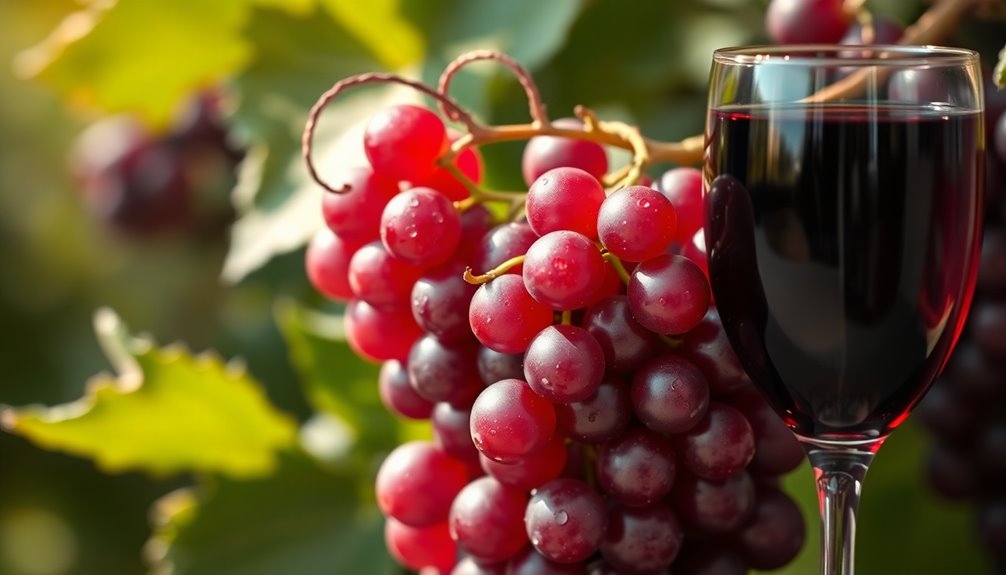
Resveratrol is a powerful antioxidant that’s gained attention for its potential anti-aging properties. You might be surprised to learn that this compound is primarily found in resveratrol sources like red wine, grapes, berries, and peanuts.
These foods are packed with this beneficial compound, making them easy to include in your diet. When you consume resveratrol, you’re not just enjoying a tasty treat; you’re also revealing a range of health benefits.
Studies suggest that it may help reduce inflammation, improve heart health, and boost longevity. Incorporating resveratrol-rich foods into your meals can be a simple yet effective way to support your overall well-being and fight the effects of aging.
How Does Resveratrol Work Against Aging?
While aging is a natural process, the way our bodies respond to it can be influenced by certain compounds, and resveratrol stands out among them.
This powerful polyphenol is known for its antioxidant properties, which help combat oxidative stress caused by free radicals. By neutralizing these harmful agents, resveratrol supports your body’s ability to undergo cellular repair more efficiently.
This means that as you age, your cells can recover from damage more effectively, promoting longevity and liveliness. Additionally, resveratrol can enhance mitochondrial function, which is essential for energy production in your cells.
The Scientific Evidence: Does Resveratrol Live Up to Its Hype?
How much can resveratrol really deliver on its promises? Clinical studies have shown that resveratrol boasts impressive antioxidant properties, which help combat oxidative stress and inflammation—key players in the aging process.
Research indicates it may protect your cells and promote longevity by activating certain genes associated with aging. However, results vary, and some studies show minimal effects in humans compared to animal models.
Research suggests resveratrol may activate longevity-related genes, but its effects in humans are less pronounced than in animal studies.
While you might find resveratrol supplements appealing, the evidence isn’t definitive enough to claim it as a miracle anti-aging solution.
It’s essential to take into account that lifestyle choices also play a significant role in aging. So, while resveratrol shows promise, you should remain cautious and stay informed about its actual benefits.
How to Incorporate Resveratrol Into Your Diet
Wondering how to add resveratrol to your diet? Start by exploring various dietary sources.
Foods like red grapes, blueberries, raspberries, and dark chocolate are rich in resveratrol. Incorporating these into your meals can be both delicious and beneficial. You can enjoy a glass of red wine in moderation, as it contains this powerful compound too.
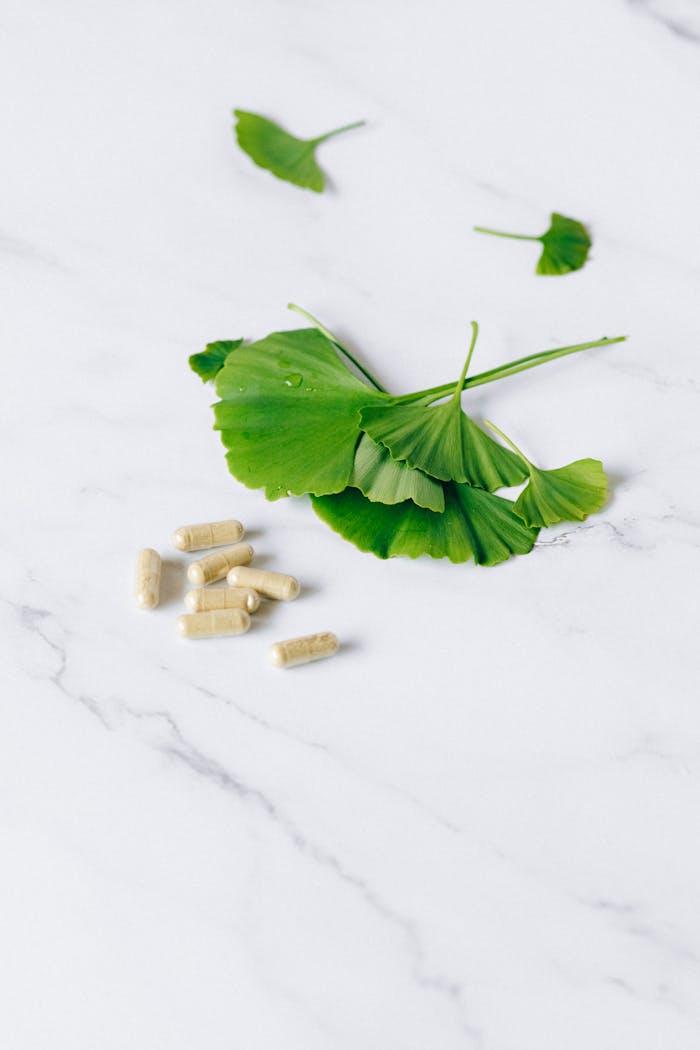
If you prefer a more concentrated option, consider resveratrol supplements. They’re available in various forms, including capsules and powders, making it easy to find what works for you. Just remember to check the label for dosage recommendations.
Are There Risks or Side Effects of Resveratrol?
Resveratrol, often hailed for its potential anti-aging benefits, isn’t without its risks and side effects. When considering this supplement, you should be aware of:
Resveratrol may offer anti-aging benefits, but it’s important to be mindful of its potential risks and side effects.
- Resveratrol toxicity: In high doses, it might lead to nausea or digestive issues.
- Blood thinning: It can enhance the effects of anticoagulant medications, increasing bleeding risk.
- Hormonal effects: Resveratrol may mimic estrogen, potentially affecting hormone-sensitive conditions.
- Potential interactions: It can interact with certain medications, such as those for high blood pressure or cancer treatments.
Always consult with a healthcare professional before adding resveratrol to your regimen.
While it offers promising benefits, understanding the risks guarantees you make informed choices for your health.
Conclusion
Incorporating resveratrol into your diet might just be the fountain of youth you’ve been searching for. While the scientific evidence shows promise, it’s essential to approach with a balanced perspective. Make sure to enjoy foods rich in this powerhouse compound, but don’t put all your eggs in one basket. As with any supplement, consider potential risks and side effects. Embracing a healthy lifestyle alongside resveratrol could lead you closer to aging gracefully.