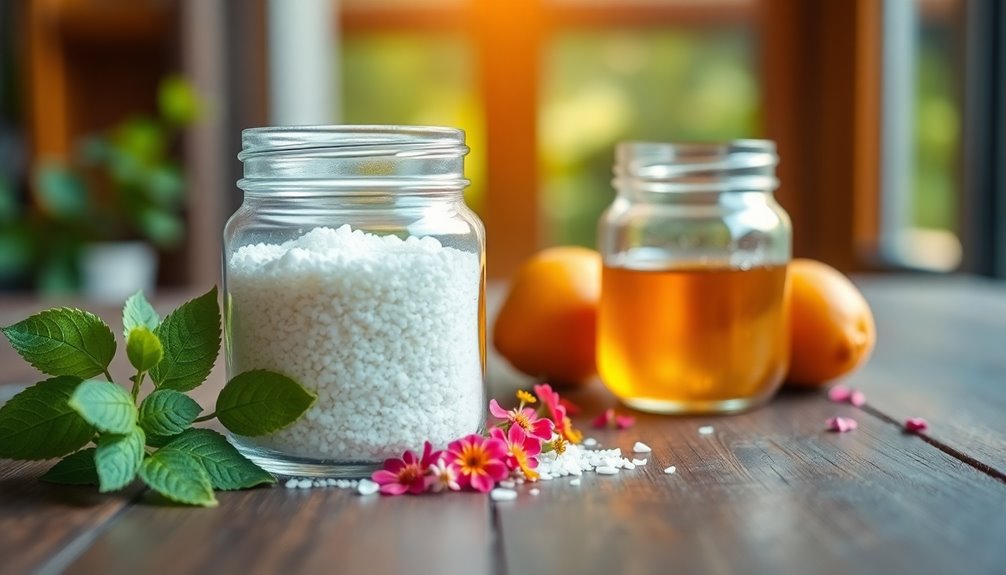
When choosing between stevia and monk fruit for supplements, consider your taste preferences and health goals. Stevia, derived from the South American plant, offers intense sweetness with a slight aftertaste, while monk fruit delivers a cleaner, milder flavor. Both are zero-calorie and don’t impact blood sugar levels, making them great for diabetics. If you’re curious about their unique health benefits and how to use them effectively, keep exploring further for more insights.
What Is Stevia and Where Does It Come From?
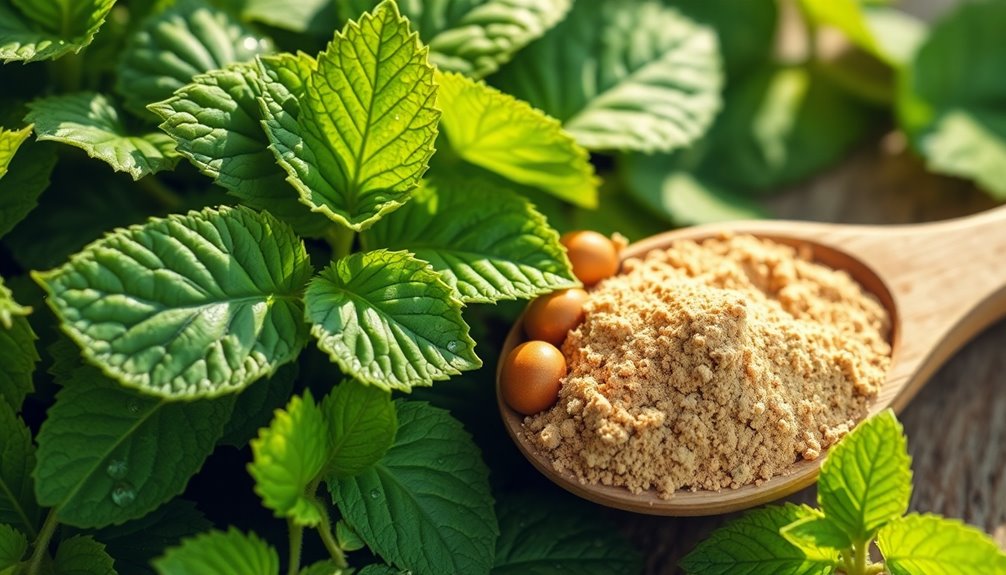
Stevia is a natural sweetener derived from the leaves of the Stevia rebaudiana plant, native to South America. Its history dates back centuries, as indigenous people used it for sweetening herbal teas and as a medicinal remedy.
You’ll appreciate the Stevia benefits, including zero calories and a low glycemic index, making it an ideal choice for those managing sugar intake. Unlike artificial sweeteners, Stevia offers a natural alternative without the chemical aftertaste.
As it gained popularity in the late 20th century, many began to recognize its potential in food and beverages. Today, you can find Stevia in various forms, from liquid extracts to powdered forms, making it easy to incorporate into your diet while enjoying a sweet taste without guilt.
What Is Monk Fruit and How Is It Extracted?
Monk fruit, native to southern China, has been used for centuries as a natural sweetener.
To extract its sweetness, the fruit undergoes a careful process that preserves its beneficial compounds.
Let’s explore its origins and how this unique extraction method works.
Monk Fruit Origin
Known for its remarkable sweetness, monk fruit, or Luo Han Guo, is a small green gourd native to southern China. Its history dates back centuries, with monks reportedly using it for medicinal purposes.
You’ll find monk fruit cultivation primarily in the Guangxi region, where farmers have honed their skills to grow this unique fruit. The cultivation process is labor-intensive, as it thrives in specific climates and requires careful attention.
Traditionally, locals harvested the fruit in the fall, when its sweetness peaks. Thanks to its natural sweetness and zero-calorie profile, monk fruit has gained popularity beyond China, making it a sought-after alternative sweetener worldwide.
Understanding its origins helps you appreciate this remarkable fruit even more.
Extraction Process Explained
After exploring the origins of monk fruit, it’s fascinating to understand how its sweetness is extracted for use in supplements and food products.
The extraction process begins with harvesting ripe monk fruit, then cutting it open to collect the pulp. Next, various extraction methods come into play, including hot water extraction, which helps dissolve the sweet compounds known as mogrosides.
These mogrosides are then separated and purified through advanced processing techniques to isolate the natural sweetness. The result is a concentrated sweetener that’s calorie-free and offers a unique taste profile.
How Do Stevia and Monk Fruit Compare in Sweetness?
How do stevia and monk fruit stack up when it comes to sweetness?
In your sweetness comparison, you’ll find that stevia is about 50 to 300 times sweeter than sugar, while monk fruit can be even sweeter, ranging from 100 to 250 times sweeter. This means that a smaller quantity of monk fruit might be needed to achieve the same level of sweetness.
When it comes to flavor intensity, stevia has a more pronounced aftertaste, which some find off-putting. Monk fruit, on the other hand, offers a cleaner, more rounded sweetness without the bitter notes.
Ultimately, your choice may come down to personal preference regarding flavor and how much sweetness you desire in your supplements.
What Are the Health Benefits of Stevia?
What makes stevia a popular choice among natural sweeteners? You’ll find that stevia offers a range of health benefits that make it stand out.
First, it’s calorie-free, making it an excellent option for those looking to manage their weight. Stevia can also help regulate blood sugar levels, which is great if you’re concerned about diabetes.
Plus, many appreciate its natural origins, which can be a healthier alternative to artificial sweeteners. When it comes to stevia safety, research supports its use, indicating it’s safe for most people when consumed in moderation.
What Are the Health Benefits of Monk Fruit?
Monk fruit is another popular natural sweetener that offers impressive health benefits. One of the standout advantages is its zero-calorie content, making it a great option for those watching their weight.
Monk fruit is also known for its natural antioxidants, which can help combat oxidative stress in your body. Additionally, this sweetener doesn’t spike your blood sugar levels, making it suitable for diabetics or anyone managing blood sugar.
Monk fruit’s natural antioxidants combat oxidative stress and maintain stable blood sugar levels, making it ideal for diabetics.
You’ll also find that monk fruit may possess anti-inflammatory properties, potentially supporting overall health. By choosing monk fruit, you can enjoy sweetness without the drawbacks of traditional sugars, all while reaping these fantastic health benefits.
It’s a delicious way to sweeten your supplements!
Are There Any Side Effects of Stevia?
While stevia is often praised for its natural sweetness, it’s important to contemplate its potential side effects.
You might experience common reactions like bloating or digestive discomfort, and some people could even have allergic responses.
Additionally, the long-term health effects of stevia still need more research to fully understand any risks.
Common Side Effects
Although stevia is often praised for its natural sweetness and potential health benefits, it’s important to reflect that some individuals may experience side effects.
These reactions can vary widely, so it’s helpful to evaluate a side effects comparison with other sweeteners.
Some common individual reactions to stevia include:
- Gastrointestinal issues, like bloating or gas
- Allergic reactions, such as skin rashes
- Altered taste perception, leading to a bitter aftertaste
- Headaches in sensitive individuals
Long-Term Health Effects
Considering the potential side effects of stevia, it’s natural to wonder about its long-term health effects. Research on stevia shows that it’s generally safe for most people when consumed in moderation.
However, some studies suggest that excessive intake might lead to digestive issues or altered gut health. While the long-term effects are still under investigation, it’s important to be cautious.
You should also consider individual health implications, especially if you have underlying conditions like diabetes or low blood pressure. Regularly monitoring your body’s response to stevia can help you make informed choices.
If you notice any adverse reactions, it might be wise to consult a healthcare professional to discuss your concerns and adjust your intake accordingly.
Allergic Reactions Potential
Allergic reactions to stevia, though rare, can occur in some individuals. If you’re considering using this natural sweetener, it’s important to be aware of potential side effects.
People with sweetener sensitivities might experience adverse reactions, which can include:
- Skin rashes or hives
- Digestive issues like bloating or gas
- Headaches or migraines
- Changes in blood sugar levels
While many enjoy stevia without any problems, always listen to your body.
If you notice any unusual symptoms after consuming stevia, it’s advisable to consult with a healthcare professional. Being informed about allergic reactions can help you make the best choice for your health and well-being.
Are There Any Side Effects of Monk Fruit?
Have you ever wondered if monk fruit sweetener comes with any side effects? Generally, monk fruit is considered safe for most people, and it doesn’t typically cause adverse reactions.
However, some individuals may experience mild digestive issues, such as bloating or gas, especially when consuming it in large amounts.
It’s also important to note that if you’re allergic to other fruits in the gourd family, you might want to approach monk fruit with caution.
While side effects are rare, you’ll want to monitor how your body responds when trying it for the first time.
Always consult with a healthcare provider if you have concerns or preexisting conditions that might be affected by new sweeteners in your diet.
How Do Stevia and Monk Fruit Affect Blood Sugar Levels?
While monk fruit has its benefits, many people also wonder how sweeteners like stevia and monk fruit impact blood sugar levels. Both sweeteners offer a great alternative for those concerned about their blood sugar and insulin response.
- Stevia doesn’t spike your blood sugar, making it a safe option for diabetics.
- Monk fruit also has zero calories and carbohydrates, not affecting blood sugar levels.
- Both sweeteners are considered safe and have no significant impact on insulin response.
- They provide sweetness without the calories of traditional sugar.
Incorporating stevia or monk fruit into your diet can help you satisfy your sweet tooth while maintaining balanced blood sugar levels. You’ll enjoy the sweetness without the guilt!
Which Sweetener Has a Better Flavor Profile?
Which sweetener truly satisfies your taste buds: stevia or monk fruit?
When you explore taste comparisons, you’ll find that flavor preferences can vary widely. Stevia often has a distinct, slightly bitter aftertaste that some find off-putting, while others appreciate its earthy sweetness.
On the other hand, monk fruit offers a more rounded, less intrusive flavor, making it a favorite among those who dislike stevia’s aftertaste. Many people favor monk fruit for its subtle sweetness that closely resembles sugar, enhancing rather than overpowering other flavors.
Ultimately, your choice between these two natural sweeteners will depend on personal taste. Experimenting with both can help you discover which one aligns best with your flavor preferences in your favorite supplements.
How to Use Stevia and Monk Fruit in Supplements
When you’re formulating supplements, incorporating Stevia and Monk Fruit can enhance flavor without adding extra calories.
You can easily mix Stevia into powder-based products or use Monk Fruit in liquid forms for beverages.
Understanding the right ratios will help you achieve the perfect taste and sweetness level.
Incorporating Stevia in Supplements
As you explore natural sweeteners for your supplements, incorporating stevia can be a game changer. With its impressive stevia sweetness and minimal calories, it’s an ideal choice.
When considering stevia sourcing, make sure to choose high-quality extracts for the best flavor and health benefits. Here are some tips to effectively use stevia in your formulations:
- Start with small amounts to gauge sweetness.
- Combine stevia with other natural flavors for a balanced taste.
- Use powdered stevia for dry supplements and liquid stevia for shakes or drinks.
- Always check for potential allergens in your stevia source.
Utilizing Monk Fruit Effectively
Building on the versatility of stevia, monk fruit is another natural sweetener that can elevate your supplement formulations.
To utilize monk fruit effectively, start by experimenting with monk fruit recipes like smoothies, protein shakes, or energy bars. Its natural sweetness can enhance flavor without adding calories, making it ideal for health-conscious consumers.
Focus on the monk fruit benefits, such as its low glycemic index and antioxidant properties, to market your supplements.
When formulating, remember that monk fruit is much sweeter than sugar, so a little goes a long way. Always test your blends to achieve the perfect balance.
Which Natural Sweetener Is Right for You?
Have you ever wondered which natural sweetener suits your lifestyle best? Choosing between stevia and monk fruit can depend on your taste preferences and dietary restrictions.
Here are a few factors to evaluate:
- Flavor Profile: Stevia has a strong, sweet taste, while monk fruit offers a milder flavor.
- Caloric Content: Both sweeteners are low-calorie, but monk fruit may have slight variations based on the product.
- Health Benefits: Stevia may aid in blood sugar control, whereas monk fruit is rich in antioxidants.
- Usage: Stevia works well in baking, while monk fruit shines in beverages.
Ultimately, assess what flavors and health benefits matter most to you, and you’ll find the perfect fit for your needs.
Conclusion
In the sweet world of natural sweeteners, both stevia and monk fruit have their unique perks. You might find stevia’s bold sweetness perfect for your morning smoothie, while monk fruit could be just what you need to enhance that post-workout shake. As you explore these options, you’ll discover how they fit into your lifestyle and health goals. So, why not try both? You might just stumble upon your new favorite supplement companion!