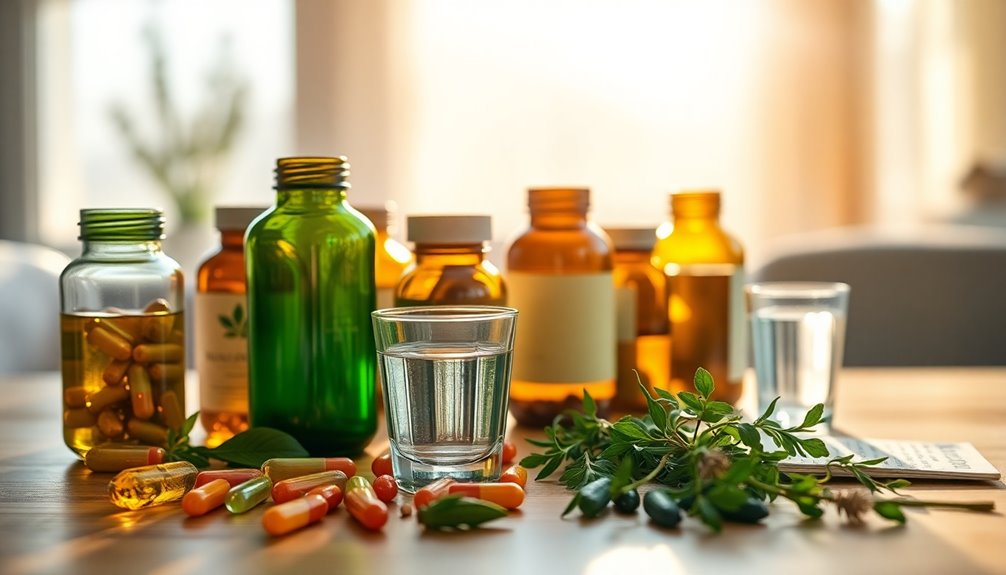
Supplements can boost your recovery after illness, but you’ve got to be cautious. Vitamin C, zinc, and vitamin D are common choices, yet they come with risks, like interactions with medications or side effects. Herbal supplements and antioxidants may also help, but not for everyone. Always consult a healthcare professional to tailor your approach. By staying informed about the effectiveness and safety of these supplements, you can support your recovery journey more effectively. To explore more options, keep going!
Understanding the Role of Supplements in Recovery

When you’re recovering from an illness, understanding how supplements can aid your healing process is fundamental.
Supplements can play a significant role in supporting your body’s recovery timeline by providing necessary nutrients that may be lacking.
However, it’s important to prioritize supplement safety. Not all supplements are created equal, and some may interact with medications or have side effects.
Prioritize supplement safety, as interactions with medications and side effects can vary widely among different products.
Always consult with a healthcare professional before adding new supplements to your regimen. They can help you determine which ones are beneficial for your specific situation and guarantee you’re taking them safely.
Common Nutritional Deficiencies After Illness

After an illness, you might notice some common nutritional deficiencies that can hinder your recovery.
Essential vitamins and minerals, along with adequate protein and energy, are vital for rebuilding your strength and overall health.
Recognizing these gaps in your nutrition can help you make informed choices for a faster recovery.
Essential Vitamins and Minerals
Recovering from an illness often leaves you with nutritional gaps, as your body may have depleted essential vitamins and minerals during the fight against infection.
To support your recovery, it’s essential to focus on your daily intake of important nutrients. Common deficiencies include vitamin C, vitamin D, and zinc, which can hinder your immune system and overall health.
Ensuring adequate nutrient absorption is key; consider incorporating whole foods rich in these vitamins and minerals, like fruits, vegetables, and nuts.
If you’re struggling to meet your daily needs through diet alone, supplements can be beneficial. However, consult with a healthcare provider to tailor your approach, as excessive intake may lead to unwanted side effects.
Prioritize a balanced intake for best recovery.
Protein and Energy Needs
While your body is healing, meeting your protein and energy needs is essential for a full recovery.
Protein supports tissue repair and immune function, so you should focus on quality protein sources like lean meats, dairy, beans, and nuts.
Additionally, consuming enough calories helps maintain your energy levels throughout the recovery process.
If you’re feeling fatigued, consider incorporating energy-dense foods like whole grains, fruits, and healthy fats into your diet.
It’s vital to listen to your body and adjust your intake based on how you feel.
Don’t hesitate to consult a healthcare professional or a nutritionist to tailor a plan that fits your specific needs, ensuring you get back on track as quickly and effectively as possible.
Vitamin C: Immune Support and Cautionary Notes

Vitamin C plays an essential role in supporting your immune system during recovery.
While it offers many benefits, it’s important to know the recommended dosage and potential side effects.
Let’s explore how to safely incorporate Vitamin C into your recovery plan.
Benefits Of Vitamin C
When you’re looking to boost your immune system after an illness, Vitamin C is often the go-to supplement. It plays a significant role in immune function, enhancing your body’s ability to fend off infections.
With its powerful antioxidant effects, Vitamin C helps reduce oxidative stress and inflammation response, promoting faster recovery. You can find Vitamin C in various dietary sources like citrus fruits, bell peppers, and broccoli.
It’s also available in supplement forms, but dosage timing can impact absorption factors. To maximize its benefits, consider taking it with meals.
Additionally, Vitamin C supports skin health and may help with stress reduction, making it a versatile ally in your post-illness recovery plan.
Recommended Dosage Guidelines
Understanding the right dosage of Vitamin C is essential for effective immune support during your recovery.
To guarantee supplement safety and maximize benefits, consider these recommended dosages:
- General Health: 65-90 mg per day for adults is sufficient for immune function.
- Illness Recovery: Up to 200 mg per day may support a stronger immune response.
- High-Demand Situations: In some cases, 1,000 mg per day can be beneficial, but consult a healthcare provider first.
- Upper Limit: Avoid exceeding 2,000 mg per day to minimize the risk of adverse effects.
Potential Side Effects
While Vitamin C is widely recognized for its immune-boosting properties, it’s important to be aware of potential side effects that can arise, especially with higher dosages.
A side effects overview reveals that some users may experience gastrointestinal discomfort, including nausea, diarrhea, or stomach cramps. These issues often stem from exceeding the recommended daily intake.
User experiences vary, with some individuals reporting no side effects while others are more sensitive. Additionally, excessive Vitamin C can lead to kidney stones in predisposed individuals.
It’s essential to listen to your body and consult a healthcare professional before increasing your intake. By understanding these potential side effects, you can make informed decisions about Vitamin C supplementation for your recovery journey.
Zinc: Potential Benefits and Risks for Recovery
Zinc plays an essential role in your body’s recovery process, particularly after illness. It supports immune modulation and enhances zinc absorption, which is vital for repairing tissues and fighting infections.
However, it’s important to be cautious with zinc supplementation. Consider these points:
- Immune Boost: Zinc may help strengthen your immune response, aiding faster recovery.
- Wound Healing: It contributes to tissue repair, fundamental for post-illness recovery.
- Dosage Matters: Excessive zinc can lead to toxicity and impair your immune function.
- Food Sources: Prioritize natural sources like meat, shellfish, and legumes for balanced intake.
Always consult a healthcare professional before starting any supplements to verify they’re right for you.
Vitamin D: Its Importance in Healing and Safety Concerns
How essential is vitamin D for your recovery after illness? It’s vital for immune function and helps reduce inflammation, which can speed up healing.
When you’re recovering, ensuring adequate vitamin D levels can make a significant difference. Common vitamin D sources include sunlight, fatty fish, fortified foods, and supplements.
However, many people face vitamin D deficiency, especially during winter months or if they’ve limited sun exposure. This deficiency can hinder your recovery process, leaving you more susceptible to illness.
Many experience vitamin D deficiency, particularly in winter, which can impede recovery and increase illness susceptibility.
While supplementation can be beneficial, it’s important to consult a healthcare professional to determine the right dosage for you. Too much vitamin D can lead to toxicity, so balance is key.
Prioritize your health, and consider vitamin D as part of your recovery strategy.
Probiotics: Balancing Gut Health Post-Illness
After an illness, restoring your gut health is essential, and probiotics play a key role in that process.
You’ll want to focus on the importance of gut flora, choose quality probiotics, and consider safety and dosage.
Understanding these factors can help you make informed decisions for your recovery.
Importance Of Gut Flora
While you focus on recovery after illness, the importance of gut flora can’t be overlooked.
Your gut microbiome plays an essential role in supporting your overall health, especially in enhancing digestive health.
Here are four reasons why maintaining a balanced gut flora is vital post-illness:
- Restores Digestive Balance: Probiotics help replenish beneficial bacteria, aiding digestion.
- Boosts Immune Function: A healthy gut microbiome supports your immune system, helping prevent future illnesses.
- Reduces Inflammation: Balanced gut flora can help lower inflammation levels in your body.
- Improves Nutrient Absorption: A well-functioning gut enhances your body’s ability to absorb nutrients from food.
Prioritizing your gut health can greatly contribute to your recovery journey.
Choosing Quality Probiotics
When it comes to choosing quality probiotics, what factors should you consider to guarantee you’re getting the most benefit for your gut health?
First, look for specific probiotic strains that have been researched for their effectiveness. Strains like Lactobacillus and Bifidobacterium are often recognized for their positive impact.
Next, pay attention to product sourcing; reputable brands typically provide transparent information about their ingredients and manufacturing processes.
Check for third-party testing to verify potency and purity. Additionally, consider the CFU count, aiming for at least 1 billion CFUs per serving for best results.
Finally, be mindful of expiration dates, as probiotics lose potency over time.
Making informed choices will help you support your gut health effectively after illness.
Safety Considerations And Dosage
Ensuring your safety while using probiotics is essential, especially after an illness. To optimize your recovery, consider these safety measures and dosage adjustments:
- Consult a Healthcare Professional: Always talk to your doctor before starting probiotics, especially if you have underlying health issues.
- Start Slow: Begin with a lower dosage to see how your body reacts before increasing it.
- Monitor for Side Effects: Keep an eye out for any adverse reactions, such as gas or bloating, and adjust your dosage accordingly.
- Choose Quality Products: Look for probiotics with a proven track record and clear labeling for effective strains.
Omega-3 Fatty Acids: Reducing Inflammation With Caution
Omega-3 fatty acids are often touted for their powerful anti-inflammatory properties, making them a popular choice for recovery after illness. You can find omega-3 sources in fatty fish like salmon, walnuts, and flaxseeds. Incorporating these foods into your diet can enhance your anti-inflammatory diet, potentially aiding your healing process.
However, it’s essential to approach supplementation with caution. While omega-3s can help reduce inflammation, excessive intake may lead to unwanted side effects, such as blood thinning. Before adding omega-3 supplements to your routine, consult with your healthcare provider to determine the right dosage for your needs.
Balancing dietary sources with supplements may be the best strategy for recovery while minimizing risks.
Curcumin: Anti-Inflammatory Properties and Precautions
Curcumin, the active compound in turmeric, offers notable anti-inflammatory benefits that can support your recovery after illness.
Its ability to reduce inflammation can enhance your overall well-being. However, it’s crucial to evaluate curcumin dosage and precautions.
Here are some key points to remember:
- Curcumin Benefits: It may help alleviate pain and promote healing.
- Dosage: A common effective dose ranges from 500 to 2000 mg daily.
- Absorption: Pairing curcumin with black pepper can enhance absorption.
- Consultation: Always consult your healthcare provider before starting, especially if you’re on medication.
B Vitamins: Energy Boosters and Possible Interactions
B vitamins are essential for energy production, helping your body convert food into fuel.
However, it’s important to be aware of potential interactions with certain medications you might be taking. Understanding these factors can guide you in making the best choices for your recovery.
Energy Production Role
When you’re recovering from illness, the right nutrients can make a significant difference, especially the B vitamins, which play an essential role in energy production.
These vitamins are critical for energy metabolism and support mitochondrial function, helping your body convert food into energy more efficiently.
Here are four B vitamins to take into account:
- B1 (Thiamine) – Essential for carbohydrate metabolism.
- B2 (Riboflavin) – Supports energy production and antioxidant defense.
- B3 (Niacin) – Boosts energy metabolism and aids in DNA repair.
- B12 (Cobalamin) – Fundamental for red blood cell formation and energy levels.
Potential Drug Interactions
While B vitamins are essential for boosting energy during recovery, it’s crucial to be aware of potential interactions with medications you’re taking.
B vitamins can interact with certain drugs, affecting their efficacy or causing side effects. For instance, high doses of vitamin B6 may interfere with the effectiveness of the anti-Parkinson’s medication Levodopa.
Always prioritize drug safety by discussing any supplements with your healthcare provider before starting them.
Keep in mind that supplement regulation varies, and not all products are rigorously tested for safety and interactions.
Being informed can help you navigate these potential issues, ensuring your recovery process is both effective and safe.
Magnesium: Supporting Muscle Recovery and Potential Side Effects
Magnesium plays an essential role in muscle recovery, as it helps regulate muscle function and reduce inflammation. By incorporating magnesium into your diet, you can enjoy several magnesium benefits that support your recovery after illness.
To guarantee you’re getting enough magnesium, consider these sources:
- Leafy greens – Spinach and kale are excellent choices.
- Nuts and seeds – Almonds and pumpkin seeds pack a punch.
- Whole grains – Brown rice and quinoa provide plenty of magnesium.
- Legumes – Beans and lentils are nutritious options.
However, be cautious of potential side effects, such as digestive issues or an imbalance with other minerals.
Always consult a healthcare professional before making significant changes to your supplement routine.
Herbal Supplements: Popular Choices and Their Risks
After focusing on minerals like magnesium for recovery, it’s important to contemplate herbal supplements that many people turn to for additional support.
Popular herbal remedies include echinacea for immune support, ginger for digestion, and turmeric for its anti-inflammatory properties.
However, you should be cautious. Not all herbal supplements are safe for everyone, and they can interact with prescription medications.
Always follow safety guidelines when considering these options. Consult your healthcare provider to guarantee the herbal remedies you choose align with your recovery goals.
Remember that while these supplements can offer benefits, their effects can vary among individuals.
Prioritize your safety and wellbeing as you explore these alternatives for recovery.
Antioxidants: Benefits for Recovery and When to Avoid Them
Antioxidants play an essential role in your recovery by combating oxidative stress, which can occur after an illness. Including the right antioxidant sources in your diet can bolster your healing process.
Here are some key points to take into account:
- Fruits and Vegetables: Berries, spinach, and kale are packed with antioxidants.
- Nuts and Seeds: Almonds and sunflower seeds can provide essential nutrients.
- Timing Matters: Consuming antioxidants during your recovery phase can maximize their benefits.
- Know When to Avoid: If you’re undergoing specific treatments, high doses of antioxidants may interfere with recovery.
The Importance of Consulting Healthcare Professionals
While incorporating antioxidants can support your recovery, it’s equally important to consult healthcare professionals. They can guide you on the importance of personalized medicine, ensuring that any supplements you’re considering align with your specific health needs.
Each person’s recovery journey is unique, and a one-size-fits-all approach rarely works. Healthcare professionals can also highlight the role of holistic approaches in your recovery. They can assess how various supplements interact with your existing health conditions and medications, helping you avoid potential complications.
Making Informed Decisions About Supplement Use
Making informed decisions about supplement use is essential for your recovery journey.
Informed decisions about supplements are crucial for your recovery journey.
To guarantee supplement safety and make informed choices, consider these key factors:
- Research Ingredients: Look into the effectiveness and potential side effects of each supplement.
- Consult Professionals: Talk to your healthcare provider before starting any new supplement, especially if you’re on medication.
- Check for Quality: Choose supplements from reputable manufacturers with third-party testing to guarantee purity.
- Monitor Your Body: Pay attention to how your body reacts after starting a supplement.
If you notice adverse effects, stop using it and consult a professional.
Conclusion
In your quest for a speedy recovery, it’s tempting to think that popping a few supplements will magically make you feel better. Ironically, the very things that promise healing can sometimes bring risks if not taken with care. While certain vitamins and herbs might help, remember that overdoing it can be counterproductive. So, rather than diving headfirst into the supplement aisle, consulting a healthcare professional could be your best bet for a safe and effective recovery.