Berberine is a natural compound that comes from plants like goldenseal and barberry. It’s well-known for its ability to support metabolic health by enhancing insulin sensitivity and regulating blood sugar levels. This powerful compound also helps with weight loss and promotes heart health by maintaining healthy cholesterol levels. If you’re curious about how berberine works and how it can benefit you, there’s a lot more to uncover about its impressive properties.
What Is Berberine and Where Does It Come From?

Berberine is a natural compound found in several plants, including goldenseal, barberry, and Oregon grape.
These berberine sources have been used for centuries in traditional medicine, particularly in Chinese and Ayurvedic practices. You’ll find that ancient cultures relied on berberine for its potential health benefits, treating various ailments like digestive issues and infections.
Berberine has been treasured in traditional Chinese and Ayurvedic medicine for centuries, known for its potential to address digestive issues and infections.
Over time, its popularity has surged as people look for natural alternatives to support metabolic health. By understanding its historical uses, you can appreciate how this compound has stood the test of time.
Whether you’re exploring herbal remedies or considering berberine for your health regimen, knowing its origins can help you make informed choices about incorporating it into your lifestyle.
How Does Berberine Work in the Body?

When you take berberine, it interacts with various systems in your body to support metabolic health.
You’ll find it can help regulate blood sugar levels and promote a healthy gut environment.
Understanding these mechanisms can give you insight into how berberine might benefit you.
Mechanism of Action
Although you may not realize it, berberine exerts its effects through multiple pathways in the body, making it a powerful ally for metabolic health. Here’s how it works:
- Enhances insulin sensitivity, promoting better glucose uptake.
- Activates AMP-activated protein kinase (AMPK), a vital regulator of cellular energy.
- Influences cellular signaling pathways, impacting fat metabolism.
- Improves berberine bioavailability, allowing for better absorption and effectiveness.
- Supports healthy gut microbiota, which can influence metabolism.
These mechanisms help regulate various metabolic processes, leading to improved overall health.
Impact on Blood Sugar
The mechanisms through which berberine operates play a significant role in its impact on blood sugar levels.
By enhancing insulin sensitivity, berberine helps your body utilize glucose more effectively, leading to improved glucose metabolism. It activates an enzyme called AMPK, which plays a vital role in regulating energy balance and glucose uptake in cells.
This activation not only helps lower blood sugar but also promotes fat burning, contributing to better metabolic health. Additionally, berberine inhibits glucose production in the liver, which further supports stable blood sugar levels.
Incorporating berberine into your routine can be an effective strategy for managing blood sugar, especially if you’re looking for a natural alternative to conventional treatments.
Role in Gut Health
While many people focus on berberine’s effects on blood sugar, it also plays an important role in gut health. By improving gut microbiota interaction, berberine can enhance your overall digestive health.
Here are some key benefits you might experience:
- Supports a balanced gut microbiome
- Reduces inflammation in the digestive tract
- Enhances nutrient absorption
- Promotes regular bowel movements
- May alleviate symptoms of digestive disorders
Berberine’s ability to modulate gut bacteria can lead to significant digestive health benefits. It helps create a harmonious environment in your gut, allowing beneficial bacteria to thrive while keeping harmful bacteria in check.
This balance is vital for ideal digestion and overall well-being.
The Connection Between Berberine and Blood Sugar Regulation

As you explore natural options for managing blood sugar levels, you might find berberine stands out for its remarkable effects.
Research shows that berberine can enhance insulin sensitivity, making it easier for your body to regulate blood sugar effectively. By activating an enzyme called AMP-activated protein kinase (AMPK), berberine helps your cells use glucose more efficiently, which can lead to lower blood sugar levels.
Berberine enhances insulin sensitivity and helps your cells utilize glucose more efficiently for better blood sugar regulation.
It’s also known to reduce glucose production in the liver, further supporting healthy blood sugar management. Incorporating berberine into your routine may help you achieve better metabolic health, especially if you’re looking for a natural alternative.
Just remember to consult with a healthcare professional before starting any new supplement regimen.
Can Berberine Aid in Weight Loss?
Are you curious about how berberine might help with weight loss?
This compound works through various mechanisms that can influence metabolism and fat storage.
Let’s take a look at the clinical studies that explore its effectiveness in shedding those extra pounds.
Mechanism Of Action
Berberine’s ability to aid in weight loss primarily stems from its impact on metabolic processes. By influencing various metabolic pathways, berberine can enhance your body’s ability to burn fat and regulate blood sugar levels.
Here’s how it works:
- Increases insulin sensitivity, helping your body utilize glucose more effectively.
- Activates AMP-activated protein kinase (AMPK), a key regulator of energy metabolism.
- Reduces fat storage by inhibiting fat cell differentiation.
- Enhances the breakdown of fatty acids, promoting weight loss.
- Improves gut health, which can further influence weight management through beneficial berberine interactions.
Clinical Studies Overview
While numerous studies have explored the effects of berberine on weight loss, the results consistently highlight its potential benefits for metabolic health.
Clinical trial findings suggest that berberine efficacy extends beyond just fat loss; it may also improve insulin sensitivity and lipid profiles. In several trials, participants taking berberine experienced significant reductions in body weight and waist circumference compared to those on a placebo.
These results indicate that incorporating berberine into your routine could aid in achieving your weight loss goals.
It’s important to note that the best outcomes often occur when berberine is combined with a healthy diet and regular exercise.
Berberine’s Role in Supporting Heart Health
As you explore ways to enhance your heart health, consider the benefits of berberine, a compound that has garnered attention for its potential cardiovascular advantages.
Research suggests that berberine may support your heart in several impactful ways:
- Helps maintain healthy cholesterol levels
- Supports healthy blood pressure regulation
- Reduces inflammation within the cardiovascular system
- Aids in glucose metabolism, which can benefit heart function
- Promotes overall metabolic health, contributing to berberine heart benefits
What Are the Antimicrobial Properties of Berberine?
Have you ever wondered how certain natural compounds can combat harmful bacteria and fungi? Berberine stands out for its impressive antimicrobial effects.
Research shows that it can inhibit the growth of various pathogens, including bacteria like E. coli and Staphylococcus aureus, as well as fungi such as Candida. By disrupting the cell membranes of these microorganisms, berberine effectively helps in infection prevention.
Its ability to modulate immune responses further enhances its role in fighting infections. Whether you’re looking to support your body’s defenses or simply explore natural alternatives, berberine offers a promising option.
Incorporating this compound into your health regimen might just bolster your overall well-being while keeping harmful microbes at bay.
How to Incorporate Berberine Into Your Daily Routine
Incorporating berberine into your daily routine can be straightforward with the right approach.
You’ll want to contemplate the daily dosage that suits your needs and how to pair it with meals for ideal absorption.
Let’s explore some effective tips to help you get started.
Daily Dosage Recommendations
To effectively incorporate berberine into your daily routine, it’s essential to determine the right dosage that suits your individual health goals. The ideal dosage typically ranges from 900 to 2,000 mg per day, divided into two or three doses.
Here are some timing considerations to keep in mind:
- Take berberine with meals to enhance absorption.
- Space out doses to maintain steady levels throughout the day.
- Consider starting with a lower dose and gradually increasing it.
- Monitor your body’s response and adjust accordingly.
- Consult a healthcare professional for personalized recommendations.
Meal Pairing Tips
While you can take berberine on its own, pairing it with the right meals can enhance its effectiveness and support your metabolic health.
Focus on meal combinations that promote food synergy, such as incorporating berberine with high-fiber foods like legumes, whole grains, or vegetables. These foods help stabilize blood sugar levels, making berberine’s effects more potent.
Additionally, consider pairing berberine with healthy fats found in avocados or nuts, as these can aid in nutrient absorption.
For breakfast, try mixing berberine with a smoothie containing spinach and chia seeds. At lunch, combine it with a quinoa salad loaded with colorful veggies.
Are There Any Side Effects of Taking Berberine?
What should you know about the side effects of taking berberine? While many people find berberine beneficial, it’s crucial to be aware of potential side effects and interactions. Here are a few things to reflect on:
Be aware of potential side effects and interactions before starting berberine, as it may not be suitable for everyone.
- Gastrointestinal Issues: You might experience diarrhea, constipation, or stomach cramps.
- Blood Sugar Levels: Berberine can lower blood sugar, so monitor your levels closely.
- Potential Interactions: It may interact with medications like blood thinners or diabetes drugs.
- Liver Enzyme Impact: Some users report changes in liver enzyme levels; regular check-ups are wise.
- Pregnancy and Breastfeeding: It’s generally advised to avoid berberine during these times due to limited safety data.
Stay informed and consult a healthcare professional before starting berberine to verify it’s right for you.
Who Should Consider Using Berberine Supplements?
Are you struggling with metabolic issues or looking for natural ways to support your health? If so, you might want to contemplate berberine supplements. They’ve gained popularity for their potential benefits in managing blood sugar levels, cholesterol, and weight.
Potential users include those with insulin resistance, prediabetes, or those seeking to enhance their overall metabolic health. If you’re looking for a natural alternative to support your wellness journey, berberine may be a good fit.
However, it’s essential to consult with a healthcare provider before starting any new supplement. This guarantees that berberine aligns with your health goals and won’t interfere with any existing medications or conditions.
Embrace the potential berberine benefits and take a step toward improved health!
Comparing Berberine to Other Natural Remedies for Metabolic Health
When exploring natural remedies for metabolic health, berberine stands out among a variety of options, each with unique benefits.
While berberine benefits include improved blood sugar control and cholesterol levels, you might also consider other natural alternatives.
Here’s a quick comparison:
- Cinnamon: Known for its ability to lower blood glucose levels.
- Turmeric: Contains curcumin, which may reduce inflammation and improve metabolic function.
- Ginseng: Can support energy levels and enhance insulin sensitivity.
- Apple Cider Vinegar: May aid in weight loss and regulate blood sugar.
- Fenugreek: Often used to enhance insulin sensitivity and support digestive health.
Each option has its strengths, so evaluating your personal health goals will help you choose the best remedy for you.
What Does the Research Say About Berberine’s Effectiveness?
Research consistently highlights berberine’s effectiveness in improving metabolic health.
Studies show that berberine benefits include lowering blood sugar levels, enhancing insulin sensitivity, and reducing cholesterol. It’s been compared favorably to some pharmaceutical drugs for managing diabetes and lipid levels.
Many users report weight loss and better overall energy levels when incorporating berberine into their routines.
However, it’s important to be aware of potential berberine risks, such as gastrointestinal issues or interactions with certain medications. It’s a good idea to consult a healthcare professional before starting berberine, especially if you have underlying health conditions or are on medication.
How to Choose the Right Berberine Supplement
Choosing the right berberine supplement can feel overwhelming with so many options on the market. To make an informed decision, consider these key factors:
- Berberine Sources: Look for supplements derived from high-quality plants, such as goldenseal or barberry.
- Supplement Quality: Choose products that are third-party tested for purity and potency.
- Dosage: Aim for a supplement that offers 500 mg to 1500 mg per day, based on your needs.
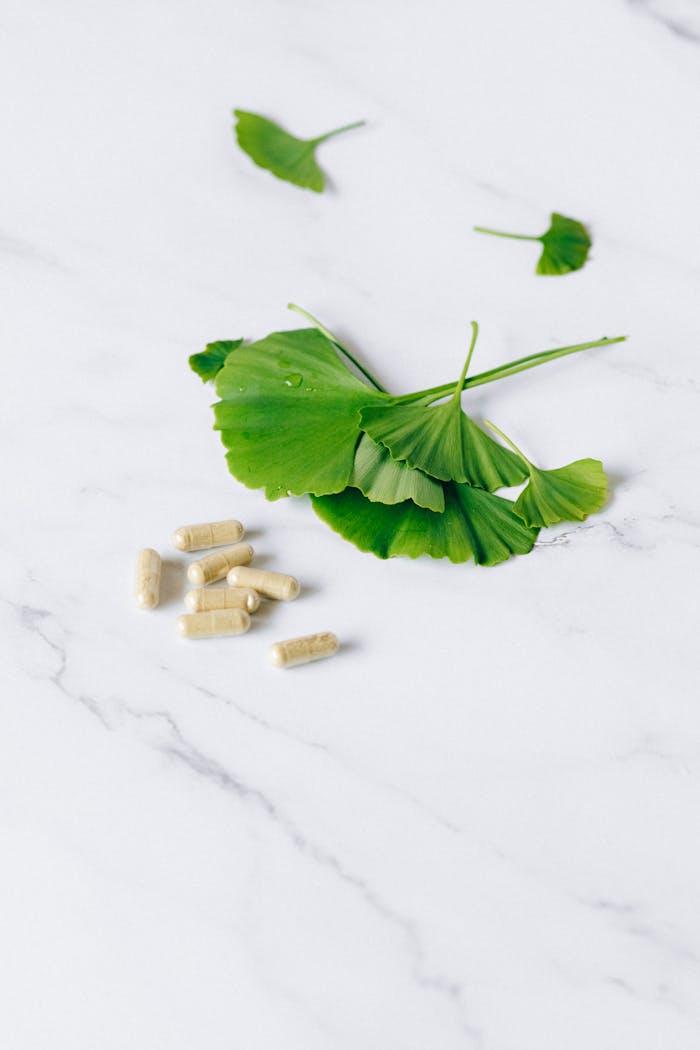
- Form: Decide between capsules, powders, or tinctures based on your preference for convenience and absorption.
- Brand Reputation: Research brands with positive reviews and transparent sourcing practices.
Tips for Maximizing the Benefits of Berberine
To maximize the benefits of berberine, you should pair it with a healthy lifestyle. Focus on a balanced diet rich in whole foods, fiber, and healthy fats to enhance berberine’s effectiveness.
Pair berberine with a balanced diet of whole foods, fiber, and healthy fats for optimal results.
Timing is essential; take berberine about 30 minutes before meals to optimize its blood sugar-lowering effects.
Consider supplement synergy by combining berberine with other natural compounds like cinnamon or alpha-lipoic acid, which can further support metabolic health.
Regular physical activity also plays an important role, so aim for at least 150 minutes of moderate exercise weekly.
Finally, stay consistent with your berberine dosage to maintain steady levels in your system.
Conclusion
Incorporating berberine into your routine might just be the gentle nudge your metabolism needs. While it’s not a magic pill, this natural alternative offers promising support for blood sugar regulation, weight management, and heart health. By choosing the right supplement and embracing a balanced lifestyle, you’re not just taking a step towards better health; you’re opening the door to a more vibrant you. Remember, every small change can lead to significant transformations over time.