
Supplements can take anywhere from a few days to several weeks to show results. It really depends on the type of supplement you’re using and your body’s individual needs. Vitamins like B12 may take longer to kick in, while minerals like magnesium might work faster. Your absorption rate, dosage consistency, and metabolism also play a significant role. If you’re curious about what signs indicate your supplements are effective or how to adjust your approach, there’s more to explore.
How Long Does It Typically Take for Supplements to Work?

How long does it really take for supplements to work? The answer varies based on the type of supplement, your body, and supplement timing. Generally, you might start noticing effects within a few days to several weeks.
The time it takes for supplements to work can range from a few days to several weeks, influenced by type and timing.
For instance, vitamins like B12 can take a bit longer for you to feel the benefits, while others, like magnesium, might show quicker results.
Your body’s nutrient absorption plays an essential role, too. If you take a supplement with food, it can enhance absorption and speed up the effects.
Conversely, some supplements may take longer if they’re not well absorbed. So, pay attention to how and when you take them, as it can greatly impact your results.
Understanding Different Types of Supplements
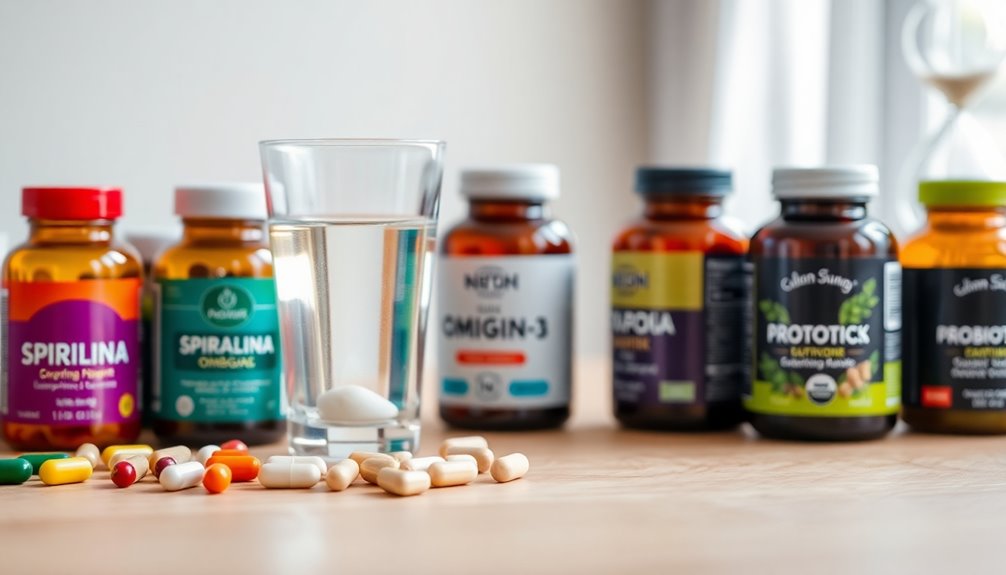
When it comes to supplements, understanding their types can make a big difference in your health journey.
You’ll find that vitamins and minerals serve essential roles, while herbal supplements offer unique benefits.
Plus, comparing protein sources can help you choose what best fits your needs.
Vitamins and Minerals Overview
Vitamins and minerals play a significant role in your overall health, acting as essential building blocks your body needs to function properly. They help with processes like energy production, immune function, and bone health.
To maximize their benefits, it’s important to understand vitamin absorption, which can be affected by factors such as food intake and preparation methods. For instance, fat-soluble vitamins are better absorbed with dietary fats.
Additionally, mineral synergy is important; certain minerals work together to enhance absorption. For example, vitamin D promotes calcium absorption, while magnesium plays a key role in regulating calcium levels in the body.
Herbal Supplements Explained
While many people rely on vitamins and minerals for their health needs, herbal supplements offer a unique approach by utilizing plant-based ingredients with potential therapeutic benefits. Here’s what you should know:
- Herbal Efficacy: Understand how effective various herbs can be for specific health issues.
- Herbal Dosage: Know the right amounts to take to maximize benefits without risking safety.
- Herbal Interactions: Be aware of how herbal supplements might interact with other medications or supplements you’re taking.
- Herbal Sourcing: Look for trustworthy sources and methods of cultivation to guarantee quality and safety.
Protein Sources Comparison
Choosing the right protein source is essential for meeting your dietary needs, especially if you’re looking to enhance muscle growth or recovery. You can choose between plant-based protein and animal-based protein, each offering unique benefits.
Animal-based proteins generally have higher protein quality and faster protein absorption, which can support protein synthesis effectively. However, plant-based proteins provide essential nutrients and promote protein diversity, making them a great option for overall health.
Timing also matters; consuming protein shortly after workouts maximizes its effectiveness. Consider your goals and dietary preferences when selecting protein sources.
Balancing both types can help you achieve ideal results while ensuring you meet your body’s needs.
Factors That Influence Supplement Absorption

Understanding the factors that influence supplement absorption can greatly impact how effectively these nutrients work in your body. Here are some key elements to evaluate:
- Digestive Health: A healthy gut can improve absorption rates, while issues like IBS can hinder it.
- Food Effects: Certain foods enhance or block absorption; for instance, fat-soluble vitamins need fat for better uptake.
- Timing Strategies: Taking supplements at ideal times, such as with meals, can maximize their benefits.
- Individual Health and Lifestyle Factors: Your overall health, age, and lifestyle choices, like hydration and exercise, can greatly affect how well you absorb nutrients.
The Role of Dosage in Supplement Effectiveness
When it comes to taking supplements, dosage plays a vital role in how effective they can be for you.
Finding the ideal dosage can vary based on individual factors like age, weight, and health conditions.
Understanding these guidelines will help you maximize the benefits of your supplements.
Optimal Dosage Guidelines
While it may seem tempting to assume that more is better, the effectiveness of supplements largely hinges on ideal dosage. Here are some key factors to take into account for optimal intake:
- Recommended Amounts: Stick to guidelines for each supplement to guarantee you’re not exceeding safety limits.
- Dosage Frequency: Determine how often you should take your supplements for maximum effect.
- Absorption Rates: Understand that certain supplements need specific timing strategies to enhance absorption.
- Personalized Dosage: Your individual health needs may require adjusting the dosage for effectiveness.
Individual Variability Factors
Individual responses to supplements can vary greatly based on several factors, making it essential to tailor your approach. Your genetic predisposition plays a significant role in how well your body absorbs and utilizes supplements.
Lifestyle choices, such as dietary habits and activity levels, can also impact effectiveness. Age factors can influence metabolism and nutrient needs, while health conditions may alter absorption rates.
Stress levels and hydration status further complicate how supplements work for you. Additionally, gender differences can affect nutrient requirements and responses to certain supplements.
How Individual Metabolism Affects Supplement Timing
Metabolism varies from person to person, impacting how quickly and effectively supplements work in your body. Understanding these metabolism differences can help you set realistic expectations.
Here’s how individual metabolism affects supplement timing:
- Absorption Rates: Faster metabolisms often lead to quicker absorption of nutrients.
- Digestive Health: A healthy gut can enhance the effectiveness of supplements.
- Age Factors: Metabolism generally slows with age, affecting how supplements work.
- Activity Level: More active individuals may experience faster supplement processing.
Common Supplements and Their Expected Timeframes
When you start taking supplements, the timeline for seeing results can vary.
For instance, multivitamins often show quick benefits, while omega-3s take longer to make an impact.
On the other hand, protein powder can deliver immediate effects, especially after workouts.
Multivitamins: Quick Benefits Timeline
Although you mightn’t feel an immediate difference, multivitamins can start delivering benefits within a few weeks. The timeline varies based on factors like your body’s unique needs and the quality of the supplement.
Here’s what you might notice:
- Week 1-2: Improved energy levels as your body begins optimizing multivitamin absorption.
- Week 3-4: Enhanced mood and mental clarity, thanks to nutrient synergy.
- Month 2: Better skin health, as vitamins work to rejuvenate cells.
- Month 3: Strengthened immunity, making you less susceptible to common colds.
Omega-3: Gradual Impact Duration
Omega-3 supplements can take some time to show their benefits, often requiring a few weeks of consistent use before you notice significant changes.
Initially, you mightn’t feel immediate effects, but with regular intake, you could experience improvements in mood, joint health, and cardiovascular function. The key is absorption efficiency; your body needs time to adapt and effectively utilize these essential fatty acids.
After about four to six weeks, many people report enhanced omega-3 benefits, including reduced inflammation and better cognitive function. Staying consistent with your dosage can help maximize these effects.
Protein Powder: Immediate Effects Notice
How quickly can you feel the effects of protein powder? You’ll likely notice some immediate benefits, especially if you optimize your protein timing post-workout. Here’s what to expect:
- Muscle Recovery: You might feel less soreness and quicker recovery after your workout.
- Energy Boost: An immediate increase in energy can help you power through your next session.
- Hunger Control: Protein’s satiating effect may curb your appetite soon after consumption.
- Absorption Rates: With fast-digesting proteins, like whey, you’ll see results within 30-60 minutes.
The Importance of Consistency in Supplement Use
When you commit to a consistent supplement routine, you’re setting the stage for ideal results.
The consistency benefits of taking your supplements daily can’t be overstated. By integrating them into your daily routine, you allow your body to adapt and respond more effectively.
Supplements often require time to build up in your system, and irregular use can hinder their potential. When you stick to a schedule, you enhance nutrient absorption and optimize their effects.
Consistent supplement use allows your body to fully absorb nutrients, maximizing their effectiveness over time.
This steady approach not only maximizes the benefits but also helps you identify how your body reacts over time.
Dietary Considerations That Impact Supplement Efficacy
While you may be diligent about taking your supplements, your diet plays an essential role in how effectively they work.
Consider these dietary factors that impact efficacy:
- Meal Composition: Nutrient-dense meals enhance absorption rates, while processed foods might hinder effects.
- Food Synergy: Combining certain foods can boost nutrient absorption, leveraging your gut microbiome’s health.
- Nutrient Timing: Taking supplements with meals can improve their effectiveness, especially if you have specific dietary restrictions.
- Hydration Levels: Staying well-hydrated supports digestive health, aiding nutrient assimilation.
When to Expect Results From Herbal Supplements?
Diet plays a significant role in how well supplements work, but understanding when you might see results from herbal supplements is just as important.
Generally, you can expect to notice effects within a few weeks. However, this timeline can vary based on factors like herbal efficacy and supplement synergy.
You can typically expect to see effects within a few weeks, though individual results may vary based on various factors.
For instance, if you’re combining multiple herbs, their interaction might enhance or delay results. Some people may feel changes sooner, while for others, it could take longer.
It’s also essential to reflect on your individual health and lifestyle, as these can influence how quickly you respond.
Always remember that consistency is key; taking your herbal supplements regularly will help you experience their benefits more effectively over time.
Differences in Timing for Vitamins vs. Minerals
Understanding the differences in how quickly vitamins and minerals take effect can help you manage your expectations. Here’s a quick breakdown:
- Vitamin Absorption: Water-soluble vitamins, like B and C, often show effects within days, as your body absorbs them quickly.
- Fat-Soluble Vitamins: Vitamins A, D, E, and K may take weeks to months to notice effects since they store in fat tissues.
- Mineral Bioavailability: Some minerals, like calcium and magnesium, can take longer to become effective, often weeks to months, depending on your body’s needs.
- Interactions: Other nutrients can either enhance or hinder vitamin absorption and mineral bioavailability, affecting how soon you feel results.
Signs That Your Supplements Are Working
After grasping how vitamins and minerals work differently in your body, you might wonder how to tell if your supplements are making a difference. One clear sign is increased energy levels; you may feel more alert and less fatigued.
Improved mood and mental clarity can also indicate that your supplements are fulfilling their role. If you notice better digestion or a stronger immune response, that’s another positive sign.
Keep in mind the concept of supplement synergy—how certain vitamins and minerals work together can enhance their effectiveness.
Finally, personalized nutrition plays an essential role; if you’ve tailored your supplement regimen to your specific needs, you’re more likely to see noticeable benefits.
Trust these signs as indicators of your supplements’ effectiveness.
What to Do if You Don’T See Results From Supplements?
If you’re not seeing results from your supplements, it can be frustrating, but don’t lose hope just yet. Here are some steps to take into account:
- Evaluate Dosage: Check if you’re taking the right amount. Sometimes, supplement adjustments are necessary.
- Consult a Professional: Speak with a healthcare provider to ascertain the supplements are suitable for you.
- Track Your Progress: Keep a journal of your diet, mood, and energy levels to identify any patterns.
- Incorporate Lifestyle Changes: Supplements work best with a balanced diet, regular exercise, and adequate sleep.
Making these adjustments can help you maximize the benefits of your supplements. Stay patient and committed to your health journey!
Conclusion
To summarize, the time it takes for supplements to work can vary widely, but many people notice changes within 4 to 6 weeks. Curiously, studies show that nearly 50% of supplement users don’t see significant results due to improper dosage or poor absorption. To make the most of your supplements, pay attention to your body’s responses and consult a healthcare professional if you’re not seeing the benefits you hoped for. Your health journey is unique—stay patient and informed!